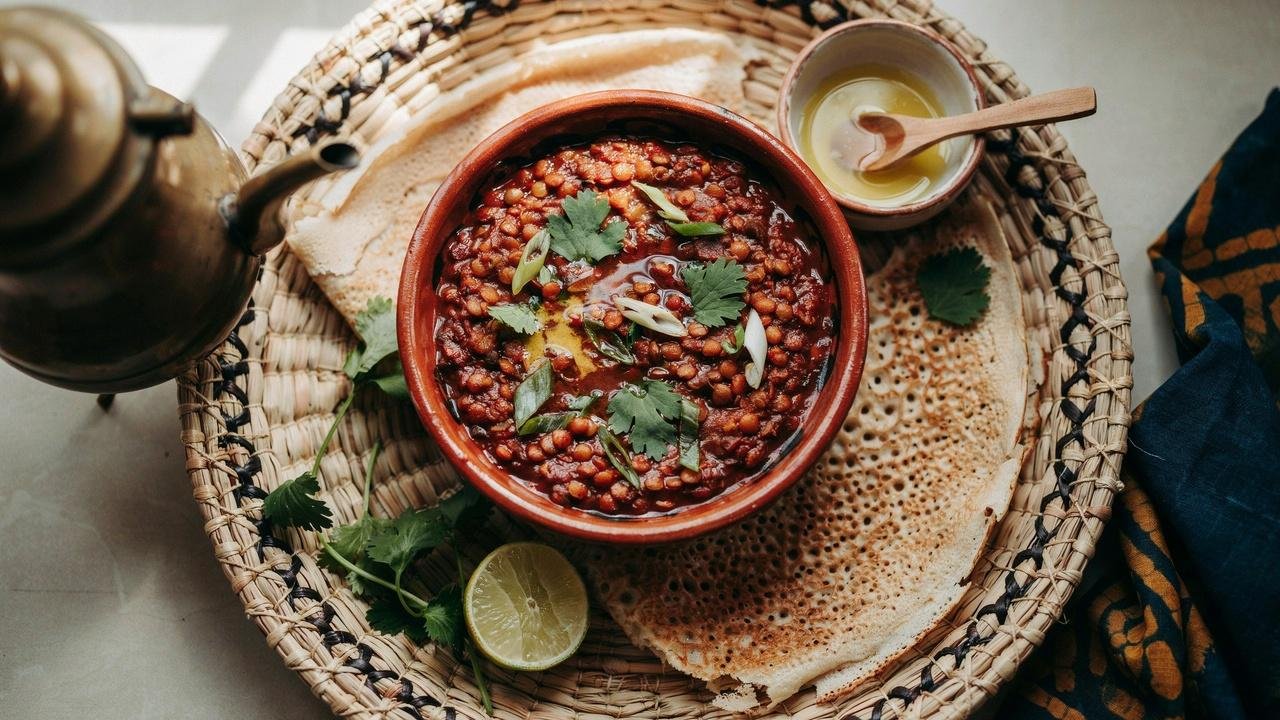
Misir Wot is a spicy Ethiopian red lentil stew made with onions, garlic, and berbere spice. It's a staple at home meals and big gatherings, known for its deep red color and bold, warming flavor.
This guide walks you through everything you need to make it at home, from the exact ingredients to step-by-step cooking instructions and common mistakes to avoid.
I've made this stew more times than I can count, learning through trial and error what actually works. That experience shaped this guide.
You'll also find storage tips, reheating methods, and a few tasty variations, including a vegan option and an Instant Pot version.
What is Misir Wot?

Misir Wot is made by cooking red lentils with onions, garlic, and ginger. The bold flavor and deep red color come from berbere, a spice blend of chili, fenugreek, and other warm spices.
Some cooks add tomato paste for extra depth, along with a bit of spiced oil near the end. The dish is plant based and naturally gluten free, since lentils and spices are the main ingredients.
It's usually served with injera, a soft, slightly sour flatbread made from teff flour, which people tear by hand to scoop up the stew alongside other dishes on a shared platter.
It has a warm, spicy taste balanced by earthy lentils, feels filling without being heavy, and stores well, so leftovers taste just as good the next day.
Ingredients You'll Need for an Authentic Misir Wot Recipe
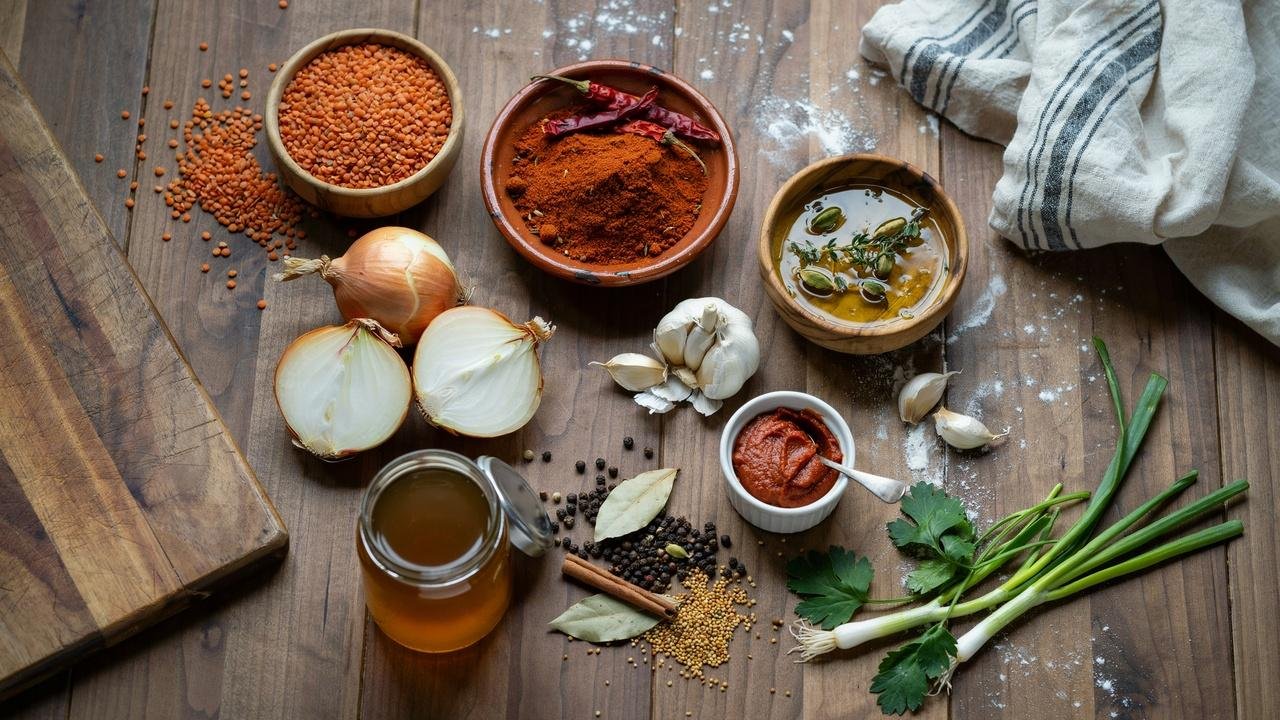
Here's the core list of ingredients, plus a few optional add-ins, needed to make traditional Ethiopian red lentil stew at home.
- Red Lentils: The base of the dish; they cook fast and turn soft and thick. Split red lentils work best since they don't need soaking.
- Berbere Spice Blend: A mix of chili peppers, garlic, ginger, and warm spices that gives the stew its deep red color and bold flavor.
- Niter Kibbeh:Ethiopian spiced clarified butter that adds richness and aroma; regular butter or oil can substitute.
- Onion, Garlic, Tomato Paste, and Broth: The core flavor base; onions cook low and slow while garlic, tomato paste, and broth round out the depth and consistency.
- Optional Add-Ins: Ginger, extra chili, or lemon juice for extra brightness; vegetable oil can replace niter kibbeh, and water can replace broth.
How to Make Misir Wot Recipe (Step-by-Step)
Making Misir Wot is a simple process once you break it down into clear stages. You don't need any special skills or hard to find tools. What you do need is a little patience, especially while the onions cook low and slow and the spices get a chance to bloom properly.
Follow these five steps in order and you'll get the best result every time.
Step 1: Caramelize the Onions
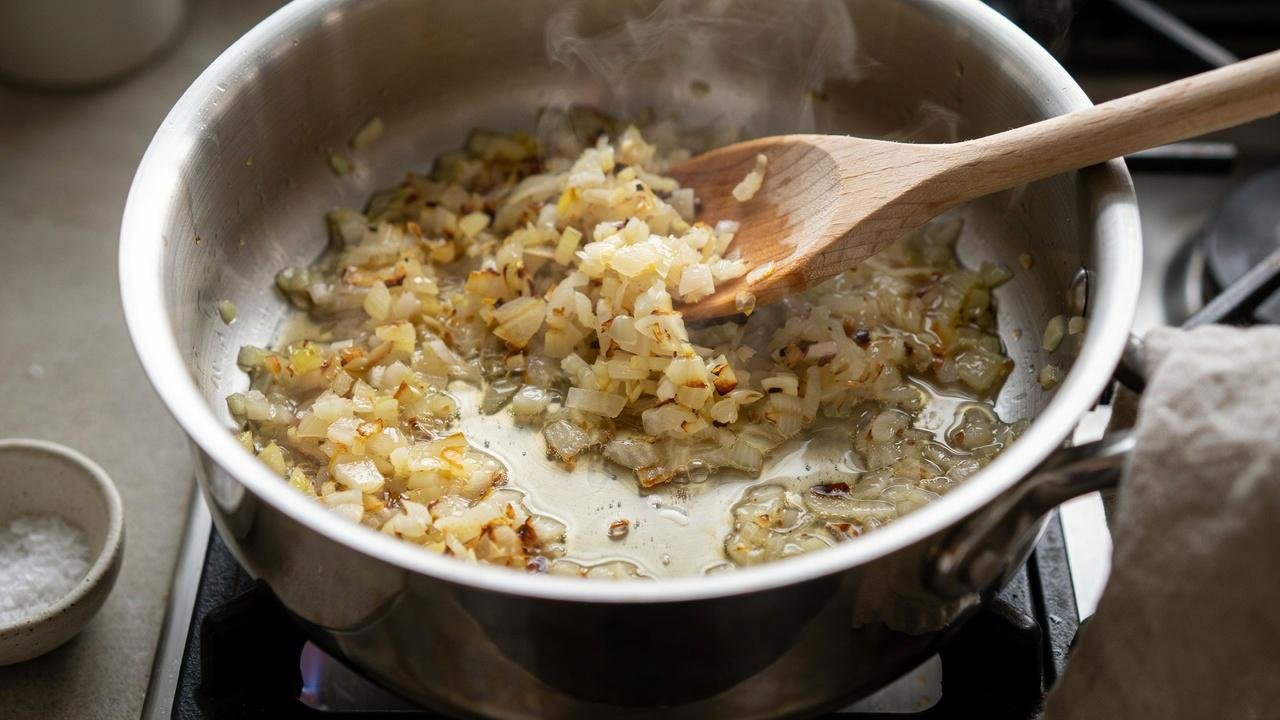
Chop the onions as finely as you can, then add them to a dry pan over low heat. Stir them often so they don't stick or burn on one side.
This part takes twenty to thirty minutes, but don't rush it since the onions need time to turn soft, golden, and slightly sweet.
Step 2: Cook the Garlic, Tomato Paste, and Berbere
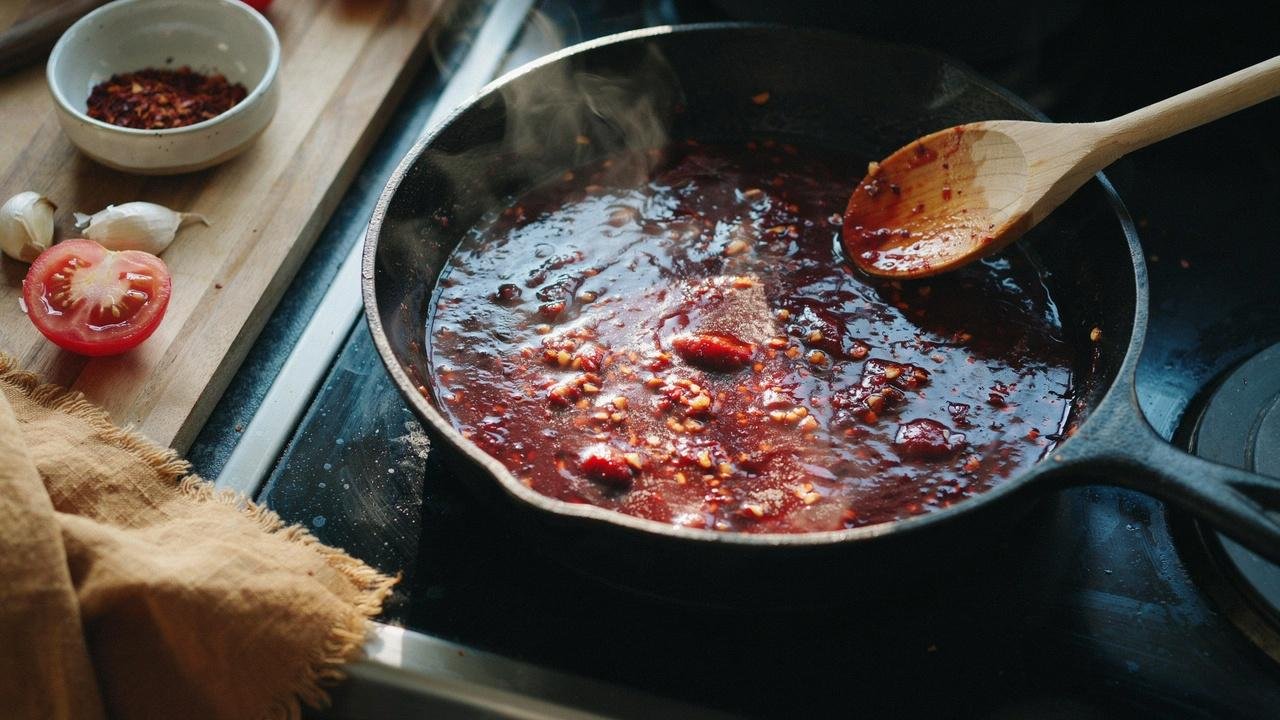
Once your onions look golden, add the garlic and let it cook for about a minute until it smells fragrant.
Stir in the tomato paste next, followed by the berbere spice blend. Keep the heat low here, since high heat can burn the spices fast and turn the whole stew bitter.
Step 3: Add the Lentils and Broth
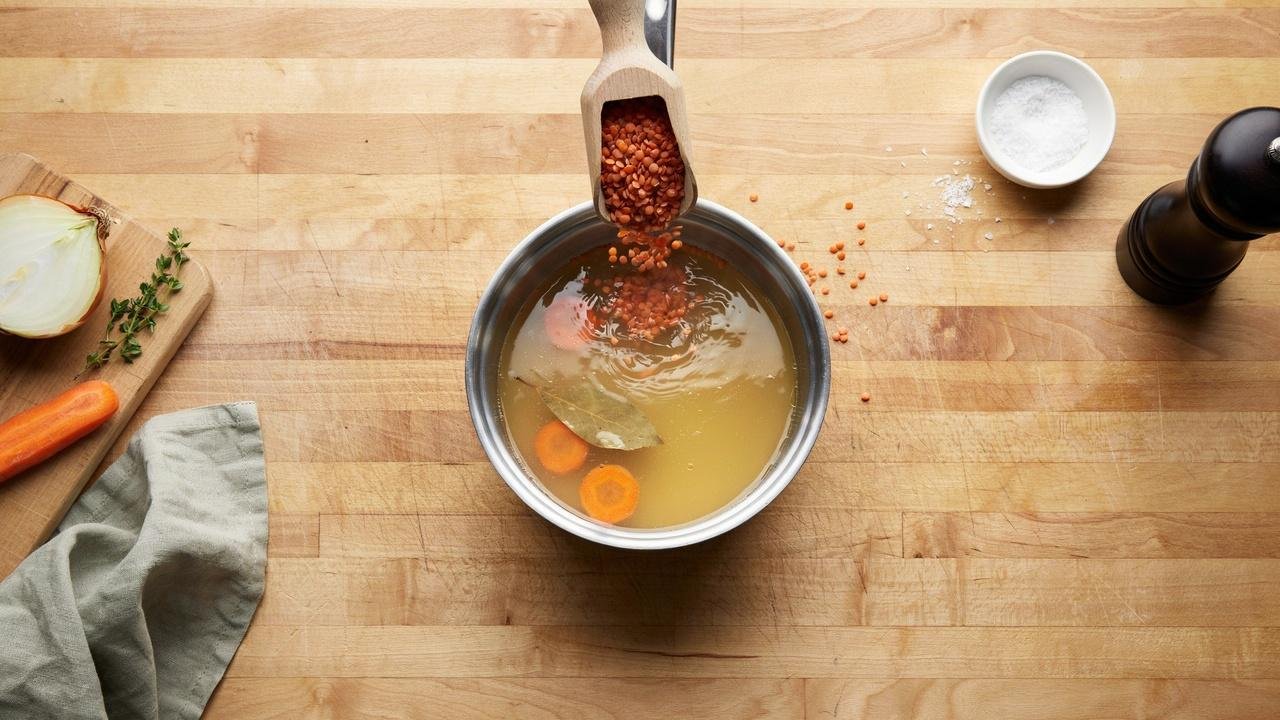
Rinse your red lentils under cool water until it runs clear, which helps remove any dust or debris from the surface.
Add them to the pot along with your broth or water, using enough liquid to cover them well, usually about two to three cups depending on how many servings you're making.
Stir everything together so each lentil gets coated in the spiced onion and tomato base before the heat goes up.
Step 4: Simmer Until Thick and Tender
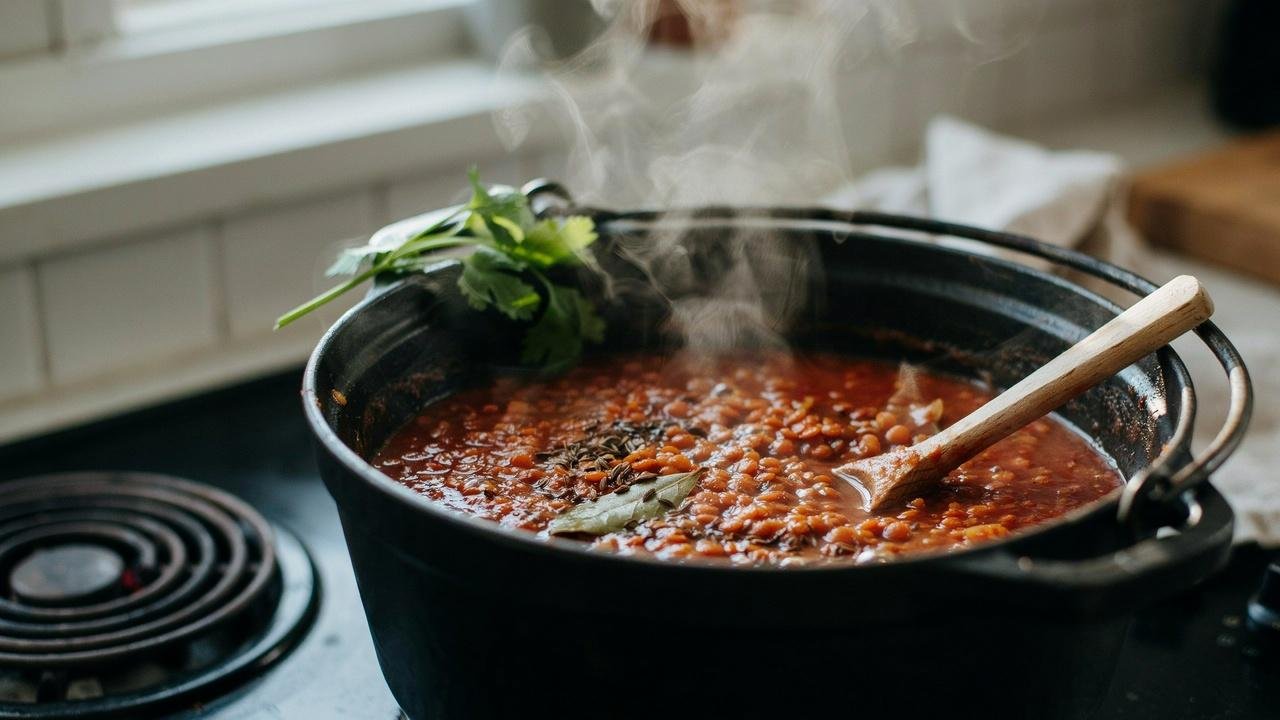
Turn the heat down low and let the stew simmer gently, stirring every so often so nothing sticks to the bottom.
Over the next twenty to twenty five minutes, the lentils will soften completely and the stew will thicken on its own. You'll know it's ready when the texture turns creamy and the color deepens into a rich red.
Step 5: Taste, Adjust Seasoning, and Serve
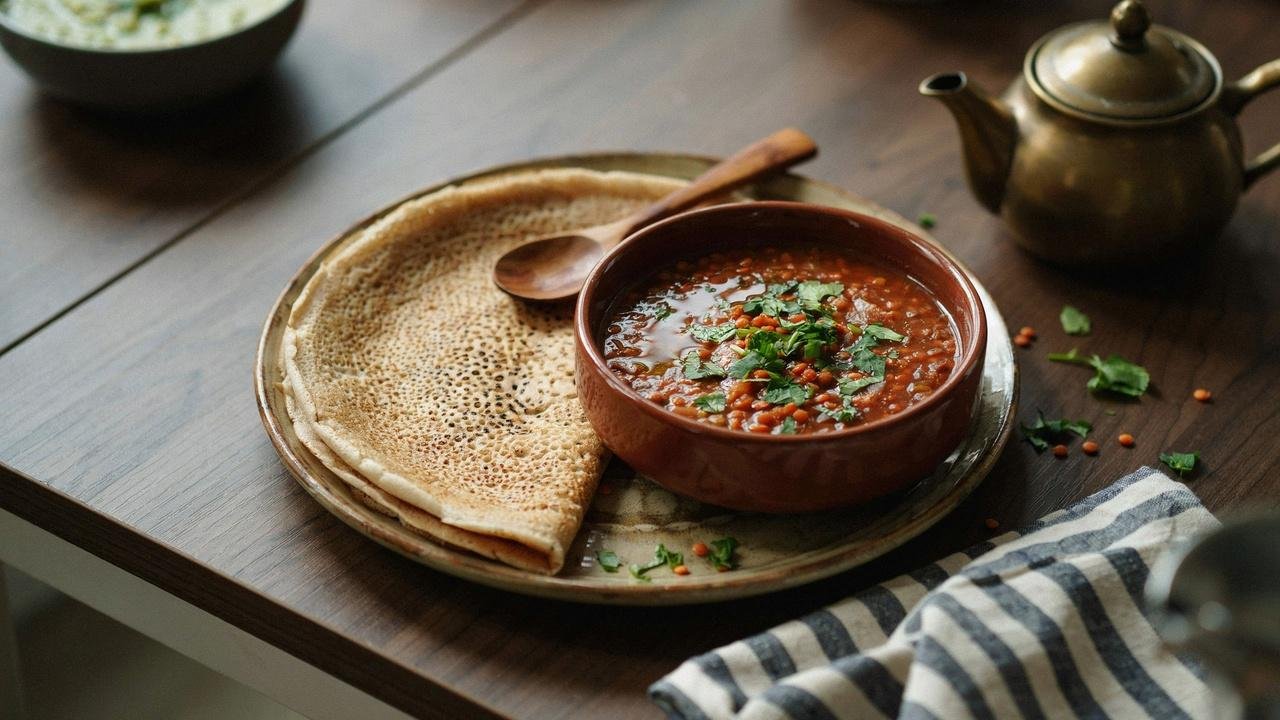
Once the stew has thickened, taste it carefully and see what it needs. Add more salt if it tastes flat, or stir in another spoonful of berbere if you want more heat or a deeper red color.
A small squeeze of lemon juice can also brighten the whole bowl without overpowering the spices.
Let the pot rest off the heat for a few minutes before serving so the flavors settle and meld together properly.
What to Serve with Misir Wot

Misir Wot pairs well with a range of sides, from traditional Ethiopian staples to simple everyday options you can pull together in minutes.
The stew's bold, spiced flavor is rich enough to carry a meal on its own, but the right pairing makes it even better.
You can stick with classic choices or try something new depending on what you have on hand.
Injera
Injera is the traditional flatbread served with Misir Wot and most other Ethiopian stews. It's made from teff flour, which gives it a soft, spongy texture and a slightly sour taste.
People tear pieces by hand and use them to scoop up the stew directly from a shared platter.
The bread soaks up the berbere sauce well and adds a mild, tangy contrast to the bold lentils. If you want the most authentic experience, injera is the pairing to start with.
Steamed Rice
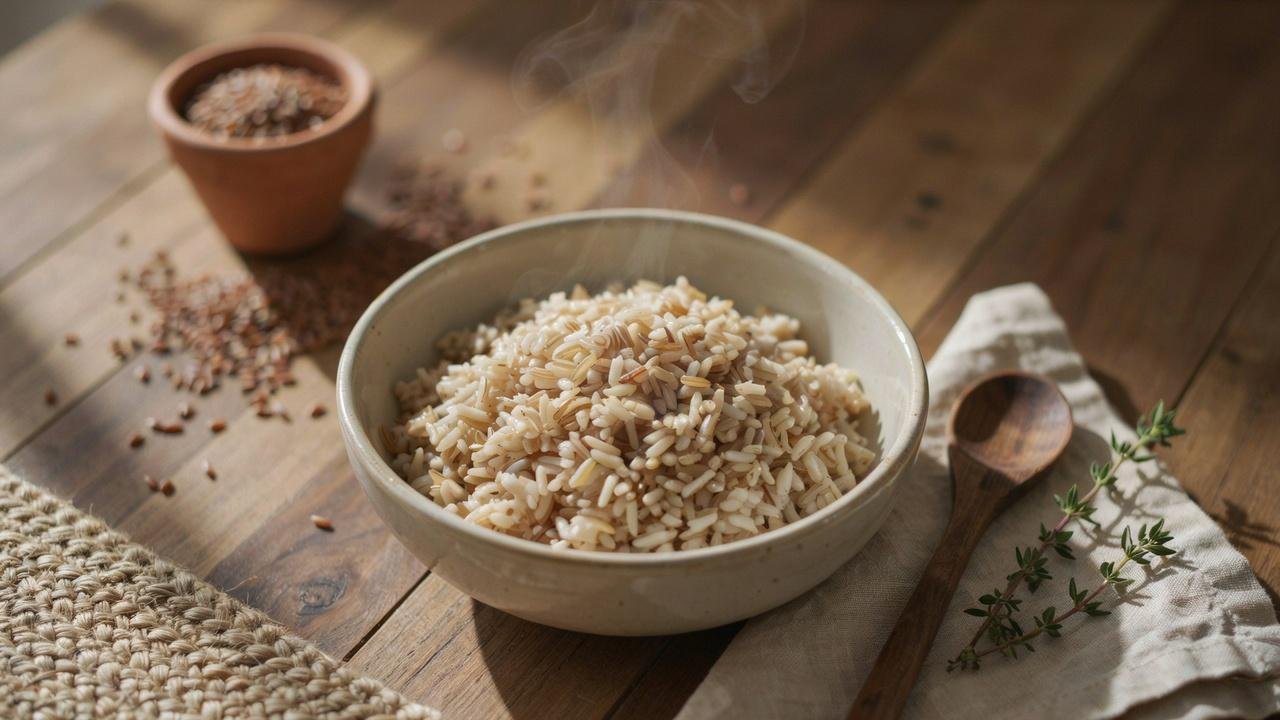
Rice is a good substitute if you don't have injera on hand or can't find teff flour nearby. It soaks up the sauce well and gives the stew something hearty to sit on.
Plain white rice or basmati both work, and either one keeps the focus on the berbere flavor.
Ethiopian Vegetable Side Dishes
Simple vegetable sides add freshness next to the rich lentil stew and help balance the heat from the berbere spice.
Sauteed collard greens, cabbage with carrots, and roasted beets are all common choices in Ethiopian cooking. They don't take long to prepare and their mild, slightly sweet flavors sit nicely alongside the bold, spiced lentils.
Adding one or two of these to your plate turns a simple bowl of stew into a more complete and satisfying meal.
Fresh Salads and Simple Accompaniments
A light salad can brighten up a bowl of Misir Wot without much effort at all.
Try mixing chopped tomato, thin slices of red onion, and a squeeze of fresh lemon juice for a quick, no-cook side that comes together in minutes.
The bright, tangy flavors cut through the richness of the stew and give your palate a break between bites. It's a small addition that makes a noticeable difference to the overall meal.
Misir Wot Recipe Variations
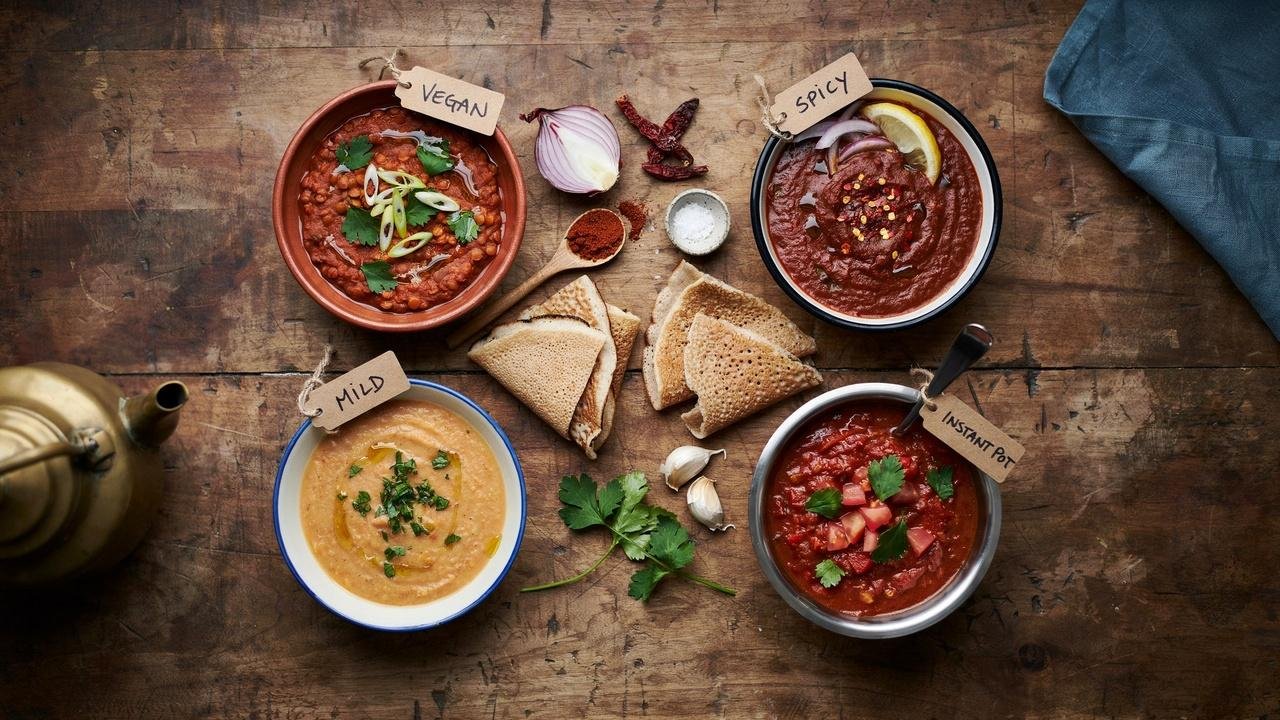
Misir Wot is easy to adjust for your own taste or kitchen setup without losing what makes it good.
You can make it fully vegan, speed things up with a pressure cooker, or dial the heat up or down depending on how spicy you like your food.
Each version stays true to the core flavor while giving you a little room to work with what you have.
Vegan Misir Wot Recipe
Skip the niter kibbeh and swap in a neutral vegetable oil instead. You won't lose much flavor, since the berbere spice and slow cooked onions still carry most of the dish.
The oil gives the lentils enough richness to feel satisfying without any dairy involved. This small change makes the recipe fully plant based and keeps it accessible for people cooking for guests with different dietary needs.
Instant Pot Misir Wot Recipe
A pressure cooker cuts your cooking time down significantly, which is helpful on busy weeknights when you don't want to stand over the stove.
Use the saute function to cook the onions, garlic, and spices right in the pot, then add your rinsed lentils and broth.
Seal the lid and pressure cook everything for about eight minutes. Once the pressure releases, give it a stir and adjust the seasoning before serving.
Mild Misir Wot for Less Heat
Cut back on the amount of berbere you use, or look for a milder version of the spice blend at the store. You'll still get the deep red color and warm, earthy flavor the dish is known for, just without the sharp heat at the finish.
Starting with half the usual amount of berbere and tasting as you go gives you the most control. This version works well for kids or anyone who loves the flavor but prefers less spice.
Extra-Spicy Traditional Version
Add extra berbere or fresh chopped chili peppers while the stew simmers to bring more heat. Taste as you go, since the spice level builds the longer everything cooks together.
A pinch of cayenne can also work if you want a sharper heat rather than the layered warmth from the blend.
This spicier version is how many households in Ethiopia actually enjoy the dish on a regular basis.
How to Store, Freeze, and Reheat Misir Wot

Misir Wot often tastes even better the next day, since the spices have more time to settle and blend together overnight.
It stores well in the fridge for several days and holds up just as easily in the freezer, which makes it a practical choice for anyone doing weekly meal prep.
Having a batch ready to go saves real time on busy evenings.
Refrigeration Tips
Once your stew has cooled to room temperature, move it into an airtight container and place it in the fridge right away.
Stored this way, it stays fresh and flavorful for about four to five days. Make sure the container seals well so the stew doesn't dry out on the surface or pick up any other smells from nearby foods.
Stir it before reheating since the lentils tend to thicken up as they sit.
Freezing for Meal Prep
This stew holds up well in the freezer. Portion it into smaller containers or freezer bags so you can thaw only what you need, and it'll keep for up to three months.
When you're ready to eat it, move a portion to the fridge the night before to thaw slowly.
Best Reheating Methods
Warm the stew on the stove over low heat, stirring every so often. If it's thickened too much in the fridge or freezer, add a splash of water or broth to loosen it back up.
A microwave works too, just heat it in short bursts and stir between each one.
Common Mistakes to Avoid
Burning the berbere spice is the most common mistake, and it happens fast if the heat runs too high. Watch for these four errors to get a smoother result on your first try.
- Burning the berbere spice: Cooking berbere on high heat can burn the spices quickly and turn the flavor bitter. Keep the heat low so the spices release their aroma without turning harsh.
- Not caramelizing the onions enough: Rushing this step leads to a flat tasting stew with less depth. Take the time needed for onions to fully soften and brown for a richer base.
- Using the wrong type of lentils: Whole lentils take longer to cook and won't break down the same way as split ones. Stick with split red lentils for the right texture.
- Getting the liquid amount wrong: Too much broth makes the stew watery, while too little can cause burning. Add liquid gradually and adjust as the stew simmers.
Nutrition Benefits of Misir Wot
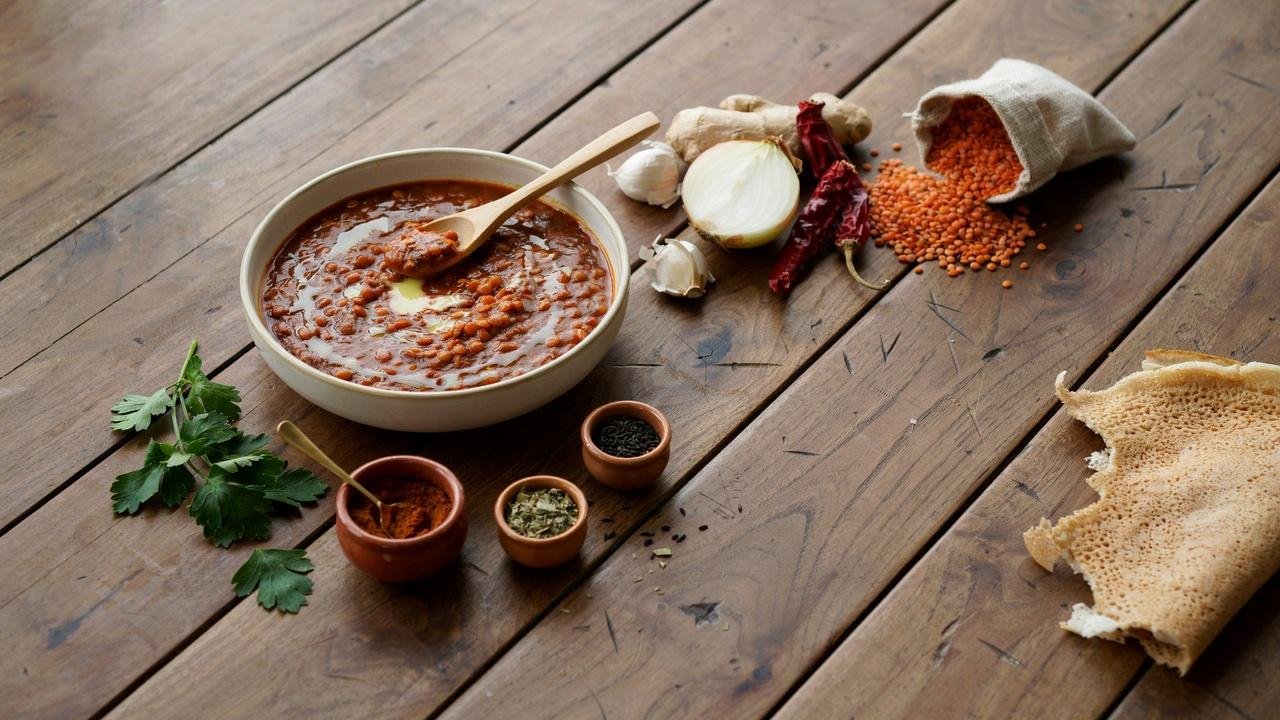
A single bowl of Misir Wot delivers solid plant-based protein, fiber, and iron, mostly from the lentils. That makes it a practical choice when you want something filling and nutritious without meat.
The spices, including fenugreek and chili, add nutritional value beyond flavor. The dish is vegetarian by default and needs just one swap to go fully vegan.
Rich in Plant-Based Protein
Red lentils are packed with plant based protein, which makes this stew filling and satisfying even without any meat in the pot.
A single serving can help you meet a meaningful portion of your daily protein needs, especially if you're eating more plant based meals through the week. Lentils also digest more slowly than simple carbs, which helps you stay full longer after a meal.
High in Fiber and Iron
Lentils bring a solid amount of fiber and iron to every bowl. Fiber supports healthy digestion, helps regulate blood sugar, and keeps you feeling full well after the meal is over.
Iron plays a key role in maintaining energy levels, supporting red blood cell production, and keeping your body running properly. Together, these two nutrients make Misir Wot a genuinely nourishing meal and not just a flavorful one.
Tips for the Best Ethiopian Misir Wot Recipe
Fresh berbere makes the single biggest difference in flavor, more than any other variable in this recipe. These five habits separate an average pot from a great one.
- Use freshly made berbere: Fresh berbere has a stronger aroma and taste compared to store bought versions that have sat for months.
- Let the onions cook slowly: Slow cooking breaks down the onion's natural sugars, creating a deeper, richer base flavor for the stew.
- Control the spice level: Adjust berbere amounts based on personal preference. Start small and add more after tasting.
- Aim for the right consistency: The stew should be thick but pourable, not dry or soupy. Adjust the broth slowly to reach this balance.
- Be patient with each step: With the right ingredients and a bit of patience, anyone can make this dish at home.
Conclusion
I still remember the first time I made Misir Wot at home. It didn't look perfect, but the smell alone made my kitchen feel warmer. That's the thing about this stew, it forgives small mistakes and still turns out comforting.
If you try this Misir Wot recipe, don't stress over getting it exact.
Taste as you go, trust your senses, and make it your own. Give it a try this week and let me know how it turns out.
Frequently Asked Questions
What is Misir Wot made of?
Misir Wot comes together from just five core pantry staples: red lentils, onions, garlic, berbere spice, and a cooking fat like niter kibbeh or oil. Tomato paste and broth are common additions that round out the flavor and consistency. That's part of why it's a weeknight favorite in Ethiopian households despite its deep, layered taste. No specialty equipment or hard to find items are needed beyond the berbere blend itself, which is available at most international grocery stores.
Is Misir Wot spicy?
Yes, Misir Wot has a noticeable kick from the berbere spice blend used throughout the dish. The heat level is easy to control though. For something milder, cut back on the berbere or choose a milder store-bought version of the blend. For more heat, stir in extra berbere while the stew simmers or add fresh chopped chili peppers. Taste as you go and adjust to your own preference since the spice builds the longer it cooks.
Can I make Misir Wot without niter kibbeh?
Yes, and you have two good options. Regular butter is actually the closer substitute in flavor since it's the unspiced base that niter kibbeh is made from. Vegetable oil works too and keeps the dish fully plant based, but expect a slightly lighter finish compared to the traditional version. Either way, the berbere spice and slow cooked onions still do most of the flavor work, so the stew holds up well without the spiced butter.
How long does Misir Wot last in the fridge?
Four to five days in the fridge is the safe range, as covered in the storage section above. Keep it in a sealed, airtight container so it doesn't dry out or absorb smells from other foods. A dulled color or sour smell are clear signs it's past its best. If either shows up, toss it rather than risk it. The stew also freezes well for up to three months if you want to stretch your batch further.
What can I serve with Misir Wot besides injera?
Steamed rice is the easiest substitute and soaks up the sauce just as well as injera does. Basmati or plain white rice both work fine. You can also pair the stew with simple vegetable sides like sauteed collard greens or cabbage with carrots for a more traditional plate. A fresh salad with chopped tomato, red onion, and lemon juice adds a light, tangy contrast that cuts through the richness of the lentils nicely.