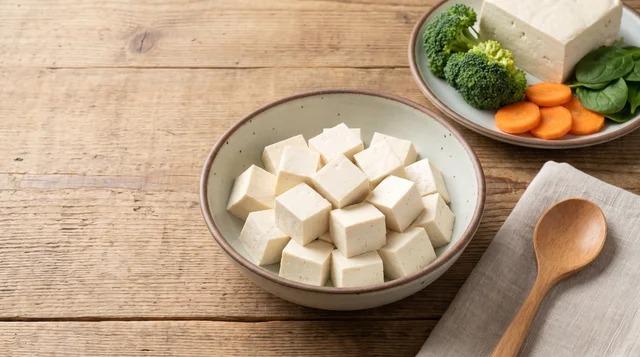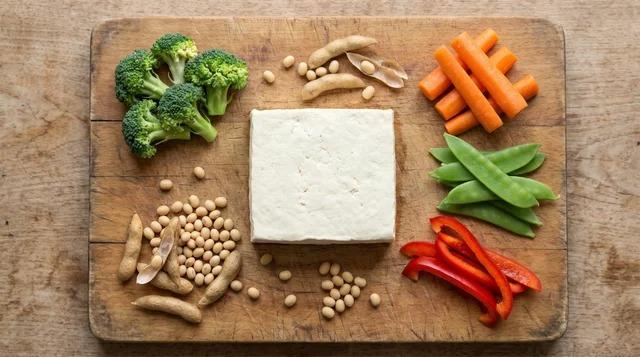
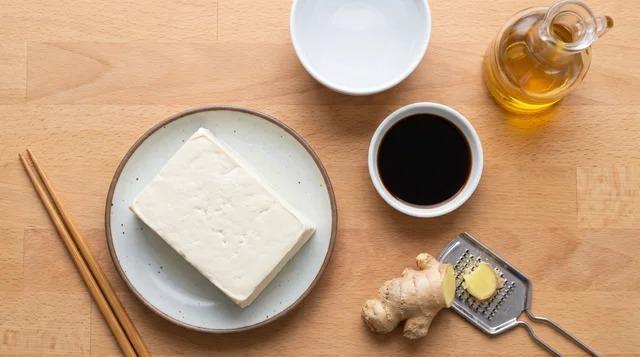
Yes, you can eat raw tofu, because packaged tofu is cooked during production and is ready to eat straight from the container.
What decides whether a block is safe is how fresh it is and how it has been stored, not whether you heat it again at home.
You’ve probably stood at the fridge with an open block, wondering if it’s okay to cut off a slice and eat it cold.
The hesitation makes sense, since most of us learned early that raw food carries risk.
The word “raw” is misleading for tofu, though. Read on for why tofu counts as a cooked food, how much protein a plain block gives you.
When heating it is still worth doing, and the drain, rinse, and storage habits I use every time I serve it cold.
Is Raw Tofu Safe to Eat?
Raw tofu is safe to eat when the package is sealed, refrigerated, and within its date, because the soy milk it’s made from is heated before the curds are set.
Once opened, it stays safe for a few days if you keep it cold, cover it with fresh water, and discard it at the first sour smell or slimy surface.
USDA’s WIC Works resource for nutrition educators backs this up in its USDA guidance on raw tofu, which lists salads, smoothies, and snacks as no-cook uses.
In my own kitchen, plain tofu is one of the proteins I reach for most, and a cold slice is often the fastest way to add it to lunch.
Soy is one of the nine major food allergens in the US, so anyone with a soy allergy should skip tofu in every form.
If your concern is soy and health more broadly, this breakdown of whether tofu is inflammatory walks through the research.
Why Packaged Tofu Counts as Cooked
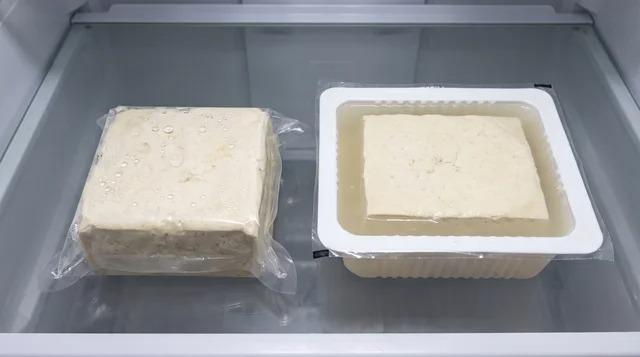
Tofu is safe uncooked because the cooking happens at the factory. The risk only comes back through what happens after you open the package.
How Tofu Is Made
Tofu starts as soybeans that are soaked, ground, and cooked into soy milk.
A coagulant then sets that hot milk into curds, which are pressed into firm blocks or left unpressed for silken tofu.
That heating step is the cooking, so nothing uncooked is left in the block. Pressing it and soaking it in a four-part tofu marinade changes the flavor and texture, not the safety.
What “Raw” Means for Tofu
When people say raw tofu, they mean tofu that hasn’t been heated again after it left the package.
Raw chicken and raw eggs work the other way around, since they start uncooked and the risk is built in from the beginning.
Tofu starts safe, and handling is what changes that. A sealed block kept cold is a ready-to-eat food, while an opened block left on the counter or sitting in old water is a different story.
How Much Protein Is in Tofu?
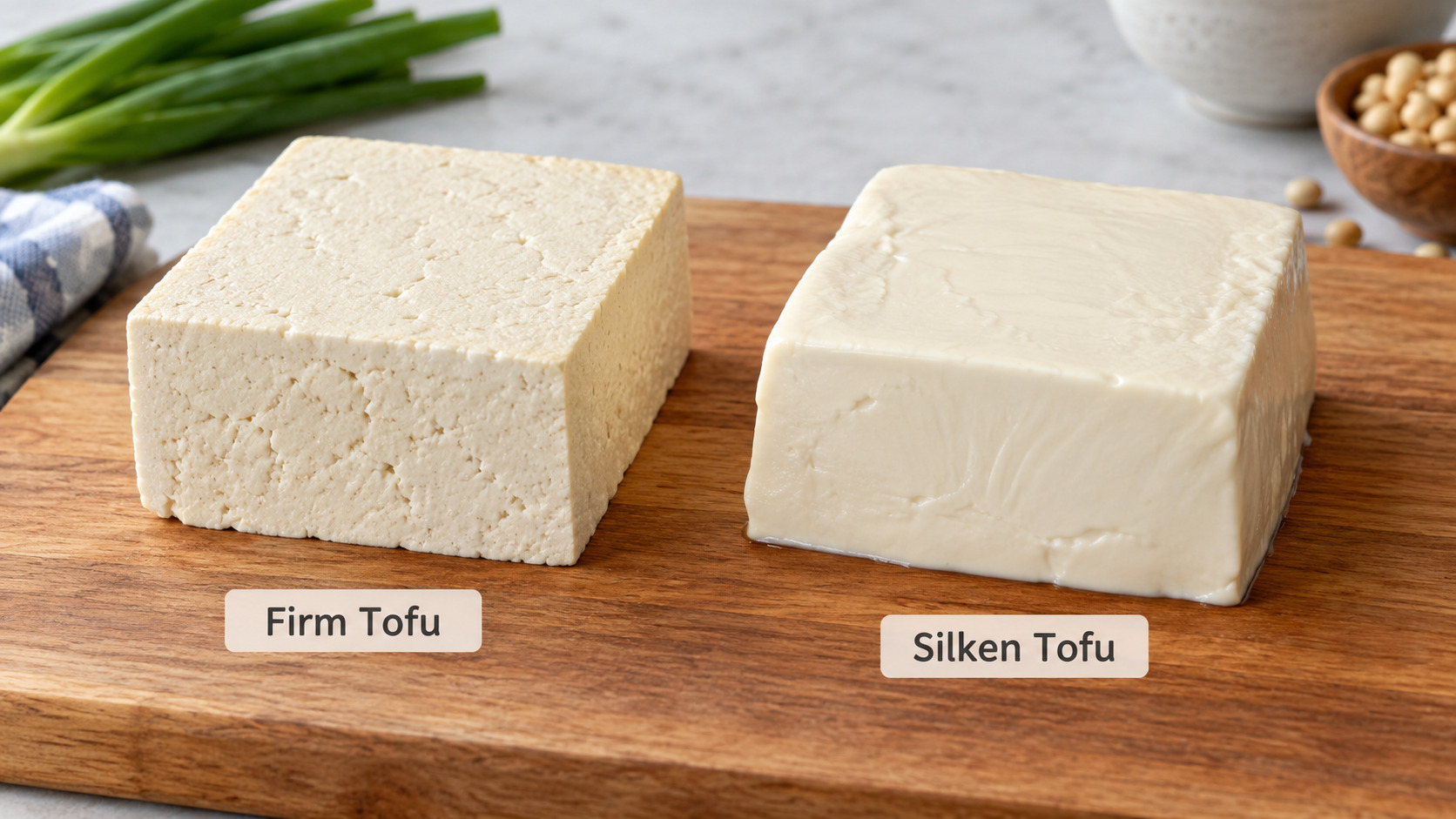
USDA FoodData Central lists about 17 grams of protein per 100 grams (3.5 ounces) of firm tofu made with calcium sulfate, and about 8 grams for regular tofu, which holds more water.
Firmer tofu holds more protein in each bite because pressing squeezes out water and concentrates the soy.
Is tofu a good source of protein? Soy provides all the essential amino acids your body needs from food, which is why tofu works as a main protein rather than a side, and calcium-set tofu adds a meaningful amount of calcium too.
Brands differ, so the Nutrition Facts label on your block is the number to trust.
People managing kidney disease watch a different set of numbers, covered in this guide to tofu potassium for kidney health.
Do You Have to Cook Tofu?
No, you don’t have to cook tofu for safety, but heating it makes sense in a few situations.
Cooking mostly changes texture and flavor, giving you crisp edges and a deeper, toasty taste.
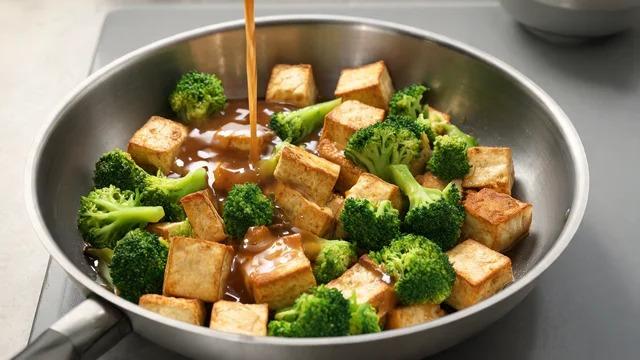
That texture is the whole point of a hot pan in a broccoli and tofu stir fry, where the tofu is already safe before it ever touches the oil.
Heating tofu until it’s steaming hot adds a margin of safety for people at higher risk of foodborne illness, including pregnant people, older adults, young children, and anyone with a weakened immune system.
I also heat tofu sold loose from open water tubs at some markets, since it has been handled more than a sealed package.
How to Tell If Tofu Has Gone Bad
Spoiled tofu usually announces itself before you taste it. A sour smell, a slimy film on the surface, a yellowish tint, or a puffed-up sealed package all mean the block should go in the trash.
Fresh tofu smells mild and slightly beany, and the surface feels smooth and cool.
If anything seems off and you’re unsure, throw it out, because a few dollars of tofu isn’t worth a rough night.
How to Eat Raw Tofu Safely
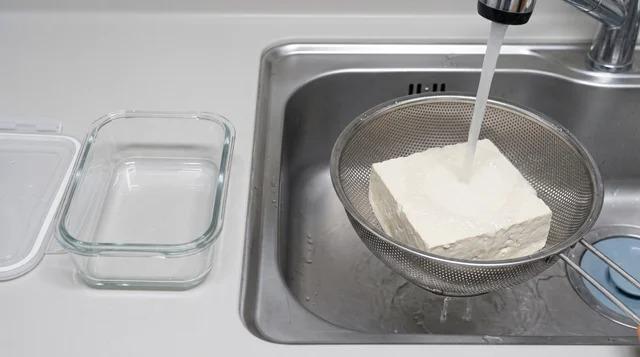
Drain the packing liquid, rinse the block under cool water, and pat it dry before serving it cold or seasoning it.
The type of tofu you pick and the way you store leftovers decide the rest.
1. Which Tofu Works Raw?
Both silken and firm tofu are safe to eat raw, but they eat very differently. Silken tofu is soft and creamy, so it suits a spoon, a smoothie, or a blended dressing.
Firm and extra-firm tofu are dense and hold their shape, which makes them the better choice for cubes you plan to toss into a salad or pack for lunch.
2. Drain, Rinse, and Store Opened Tofu
The packing liquid adds nothing to the taste and can make the tofu watery, so pour it off before you rinse.
Pat the block dry if you plan to season it, because sauce clings better to a dry surface.
Leftovers need a little care, and these three habits keep an opened block fresh:
- Move it to a clean, airtight container.
- Cover it with fresh, cold water and change the water daily.
- Keep it in the fridge and use it within 3 to 5 days, the window the National Kidney Foundation gives for submerged tofu.
Fresh water matters because old water is where tofu spoils first. Check the date on the package too, since brands differ, and freeze any block you won’t finish in time.
No-Cook Ways to Eat Tofu
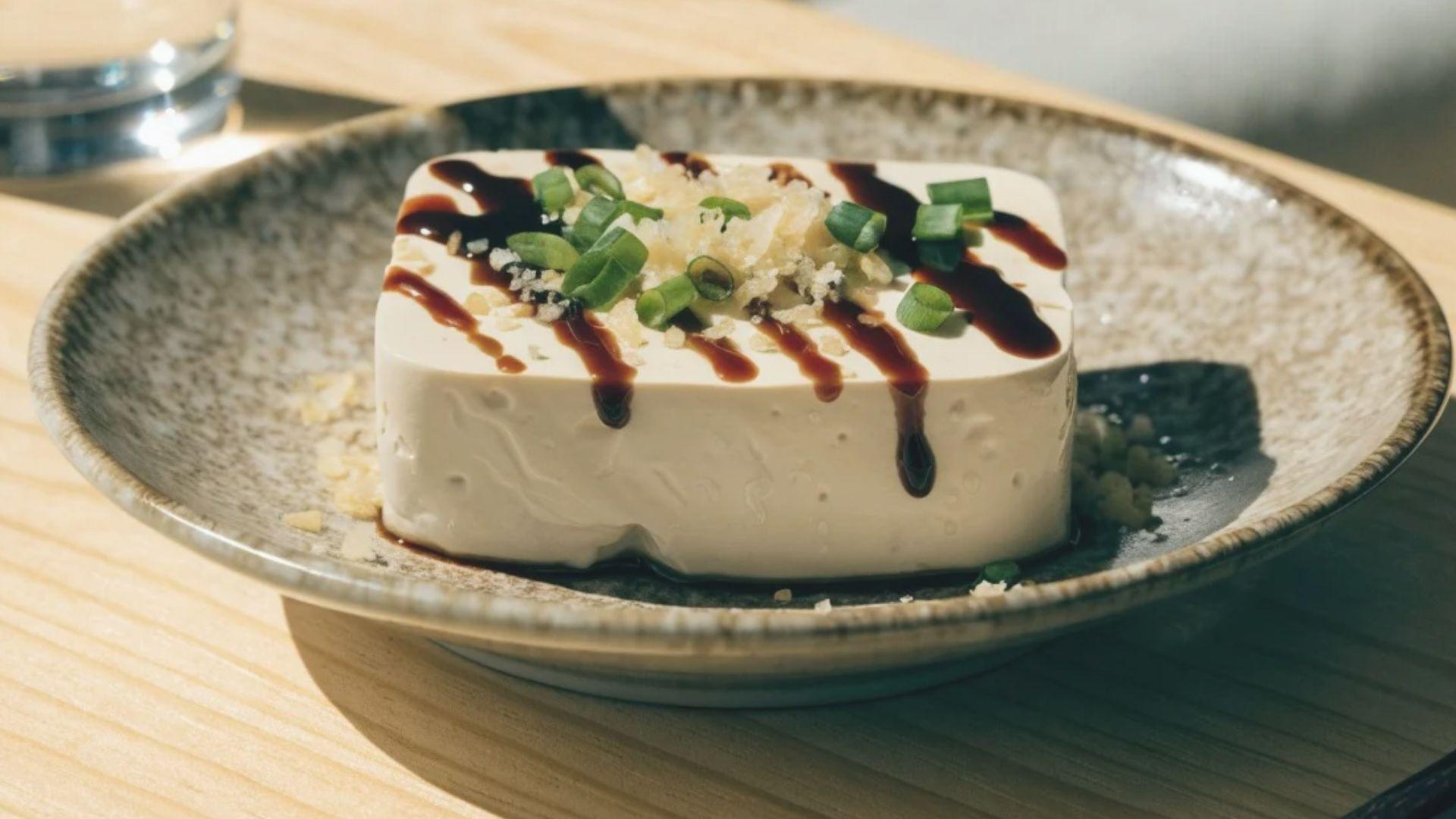
Hiyayakko is a Japanese dish of chilled silken tofu topped with grated ginger, green onion, and soy sauce.
The traditional version often adds bonito flakes, so the vegan version I make swaps in toasted sesame seeds and a few drops of chili oil.
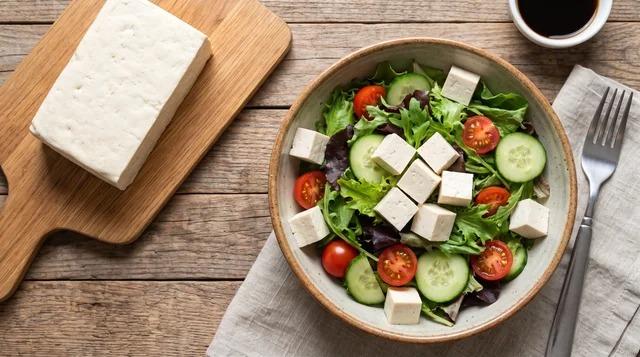
Cubed firm tofu works in grain bowls and green salads, and silken tofu blends into a creamy dressing or a fruit smoothie for extra protein.
For bolder flavor without a stove, a few hours in a soy-ginger marinade in the fridge seasons cold cubes all the way through.
Is It Okay to Eat Raw Tofu Often?
Yes, in typical portions, though digestion varies from person to person.
Plain tofu is a minimally processed protein that’s low in carbohydrates, so how it sits with you depends more on the type and the amount.
Monash University, which developed the low-FODMAP diet, rates drained firm tofu as low in FODMAPs at a 170-gram (about 6-ounce) serving.
Silken tofu tests high in the same serving because it isn’t pressed, which is why some people feel gassy or bloated after a large portion.
Two things shape how your body handles tofu, and you can check both on your own: how much you eat in one sitting and how sensitive your stomach already is.
If raw tofu doesn’t agree with you, cut the portion in half or try firm tofu instead of silken, then compare.
Read the Block, Not the Word “Raw”
Can you eat raw tofu? Yes, because it was cooked before you ever opened the package, and your part is keeping it cold, changing the water on opened blocks, and trusting your nose before every bite.
Once you read the block instead of fearing the word “raw,” a no-cook protein is always within reach.
Grab a fresh block of firm or silken tofu, drain and rinse it, and try a plate of hiyayakko with ginger and soy sauce for your next lunch.
Frequently Asked Questions
Is It Healthier to Eat Tofu Raw or Cooked?
Raw and cooked tofu offer nearly the same protein and minerals, so the difference comes from what you add. Deep-frying adds oil and calories, while baking or steaming keeps it close to plain.
What Is Tofu Made Of?
Tofu contains soybeans, water, and a coagulant. Calcium sulfate gives firm blocks extra calcium, magnesium chloride (nigari) is a traditional seawater-based option, and glucono delta-lactone often sets silken tofu.
Is Tofu OK for Diabetics?
Plain tofu is low in carbohydrates, and the American Diabetes Association’s Diabetes Food Hub lists it as a plant protein. Watch sweet glazes, and ask your doctor or dietitian how it fits your plan.
What’s the Healthiest Way to Eat Tofu?
Choose plain, calcium-set tofu and bake, steam, or stir-fry it with vegetables instead of deep-frying it. The 2025-2030 Dietary Guidelines for Americans also favor baked, grilled, and stir-fried foods over deep-fried ones.