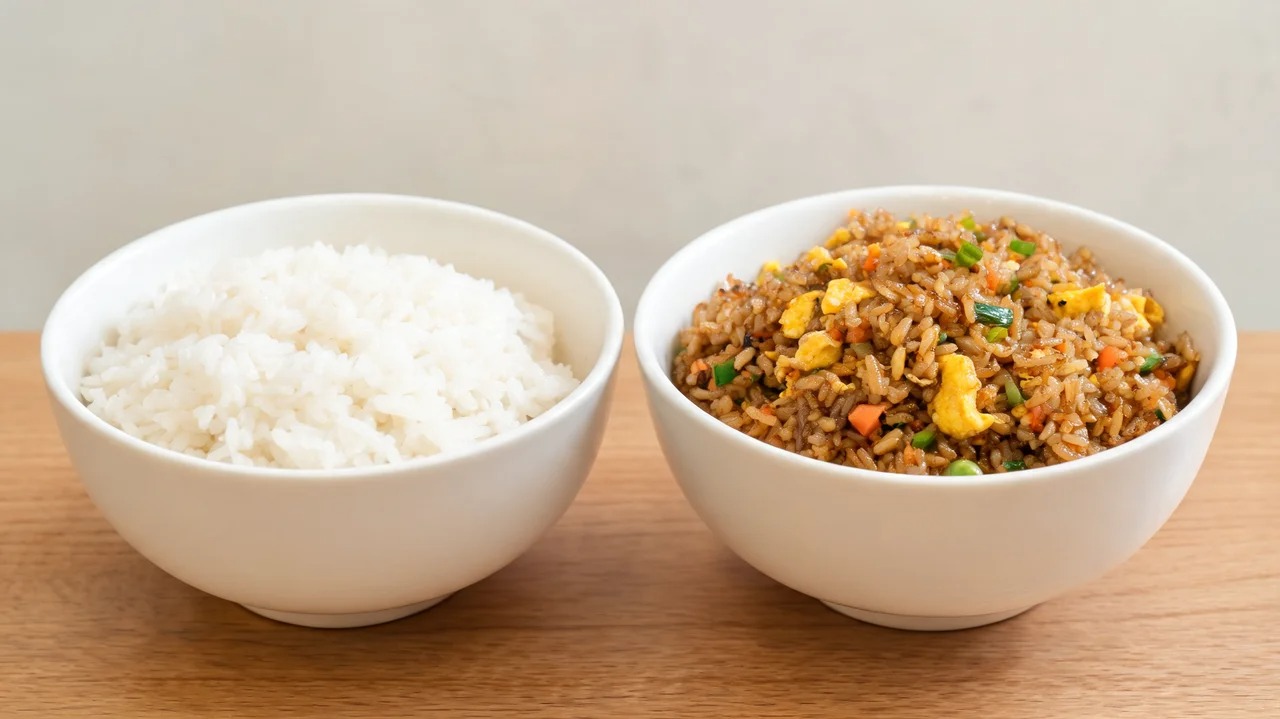
Chinese rice can be healthy, but it really comes down to how it’s made. Plain steamed rice is low in fat, easy to digest, and a clean source of energy.
Restaurant fried rice is a different story.
By the time it leaves the wok, it’s been tossed in oil, loaded with soy sauce, and served in portions two to three times larger than what you actually need.
Same base ingredient, completely different nutritional outcome.
Once you know what changes during cooking, making a smarter call at the restaurant or at home becomes a lot easier.
The Short Answer: It Depends on How It’s Made
Not all Chinese rice is the same. The way it’s prepared changes everything: the calories, the fat, the sodium, and how it affects your body.
Plain Steamed Chinese Rice: What Makes It Healthy
Plain steamed rice is just rice and water. That’s it.
It’s naturally low in fat, has no cholesterol, and is gluten-free. Your body digests it easily, and it gives you a quick, reliable source of energy.
White rice does lack fiber compared to brown rice, but plain steamed rice on its own is a clean, simple food. The problems start when things get added to it.
Restaurant-Style Fried Rice: Where the Health Problems Start
Fried rice goes through a completely different process.
Restaurants cook it in large amounts of oil, sometimes butter or lard, then add soy sauce, oyster sauce, and flavor enhancers.
What starts as plain rice turns into something much heavier by the time it reaches your plate.
Nutrition Comparison: Plain Rice vs. Fried Rice (Per Serving)
Here’s a side-by-side look at a typical restaurant serving (roughly 1 cup):
| Plain Steamed Rice | Restaurant Fried Rice | |
| Calories | ~200 kcal | ~350 to 450 kcal |
| Fat | 0.5g | 12 to 18g |
| Sodium | ~5 mg | ~900 to 1,200mg |
| Fiber | 0.6g | 1 to 2g |
The daily recommended sodium limit is around 2,300mg. A single cup of restaurant fried rice can take up more than half of that in one go.
How Restaurant Portions Inflate These Numbers
Most restaurants serve 1.5 to 2 cups of rice per order.
So if you’re eating a full takeout portion of fried rice, you could be looking at 700 to 900 calories and close to your entire daily sodium limit just from the rice.
Is Chinese Fried Rice Bad for You? A Nutrition Breakdown
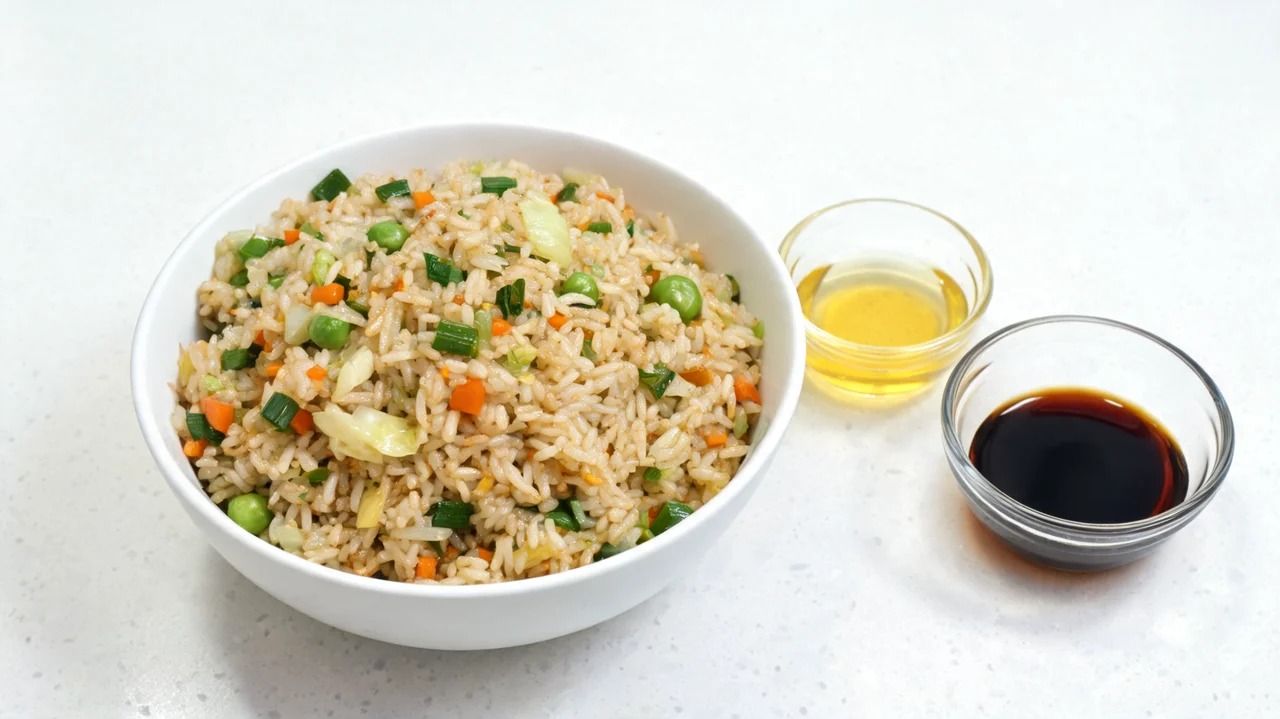
It’s not automatically bad. But most restaurant versions are far from light.
The Real Culprit: Cooking Oil and Sodium, Not Rice Itself
Rice alone isn’t the issue. Two to three tablespoons of oil adds 240–360 calories before anything else goes in. Then soy sauce piles on the sodium.
The rice is just the carrier. It’s the oil and sauces that turn it into a high-calorie, high-sodium dish.
Why Takeout Fried Rice Is Worse Than Homemade
At home, you control how much oil goes in, which sauce you use, and how big the portion is.
In a restaurant kitchen, the goal is flavor and speed, not nutrition. Cooks use more oil than you’d expect because it gives the rice that glossy, slightly crispy texture people like.
Is Shrimp Fried Rice Worse Than Regular Fried Rice?
Not necessarily worse, but it’s not lighter either.
Shrimp adds protein, which is good. But the base is the same heavy fried rice, so the calories and sodium stay high. The protein doesn’t cancel out the oil.
Health Factors to Know Before Ordering or Cooking Chinese Rice
Sodium, blood sugar, portions: here’s what actually affects your health with Chinese rice.
Sodium: Soy Sauce, Oyster Sauce, and Your Blood Pressure
A single tablespoon of regular soy sauce contains around 900mg of sodium.
Most fried rice recipes use two to three tablespoons. Add oyster sauce on top of that, and you’re already past 1,500mg before the meal is even plated.
Long-term high sodium intake raises blood pressure; that’s not a minor concern.
Sodium is easier to manage when the whole order is planned well; ordering the right dishes makes that straightforward.
Blood Sugar and the Glycemic Index of White Rice
White rice has a glycemic index of around 70 to 73, which is on the higher end.
That means it raises blood sugar fairly quickly. But when you eat it alongside protein and vegetables like in a balanced Chinese meal, the overall glycemic response slows down. Context matters here.
The Resistant Starch Benefit of Cooled and Reheated Rice
Here’s something most people don’t know: rice that’s been cooked, cooled, and reheated develops resistant starch.
Resistant starch acts more like fiber in your body. It feeds gut bacteria and is absorbed more slowly, which means it has fewer usable calories than freshly cooked rice. Leftover rice actually has a small nutritional advantage.
Portion Size: What a Restaurant Serving Actually Looks Like
A healthy portion of rice is about half a cup to one cup cooked.
Restaurant servings are often two to three times that. If you’re not paying attention to how much is on the plate, it’s easy to eat twice what you intended.
Is Chinese Rice Healthy for Specific Health Goals?
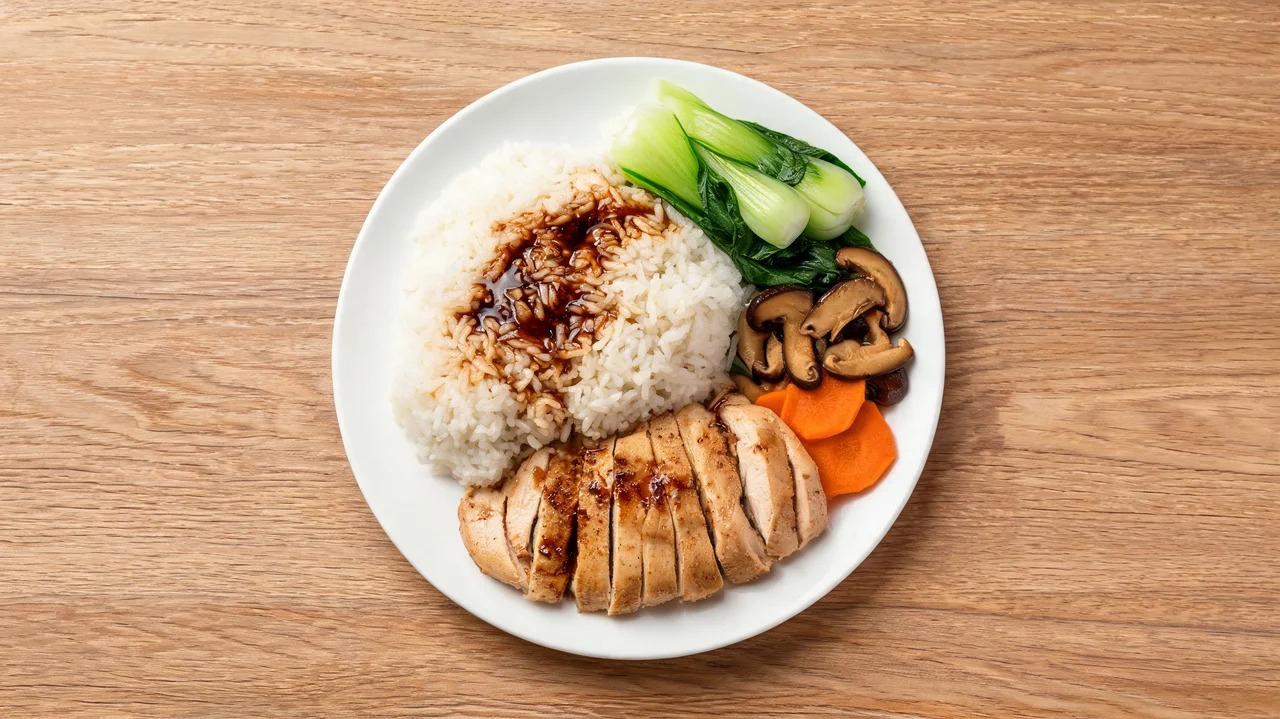
Your health goal changes everything about whether Chinese rice works for you.
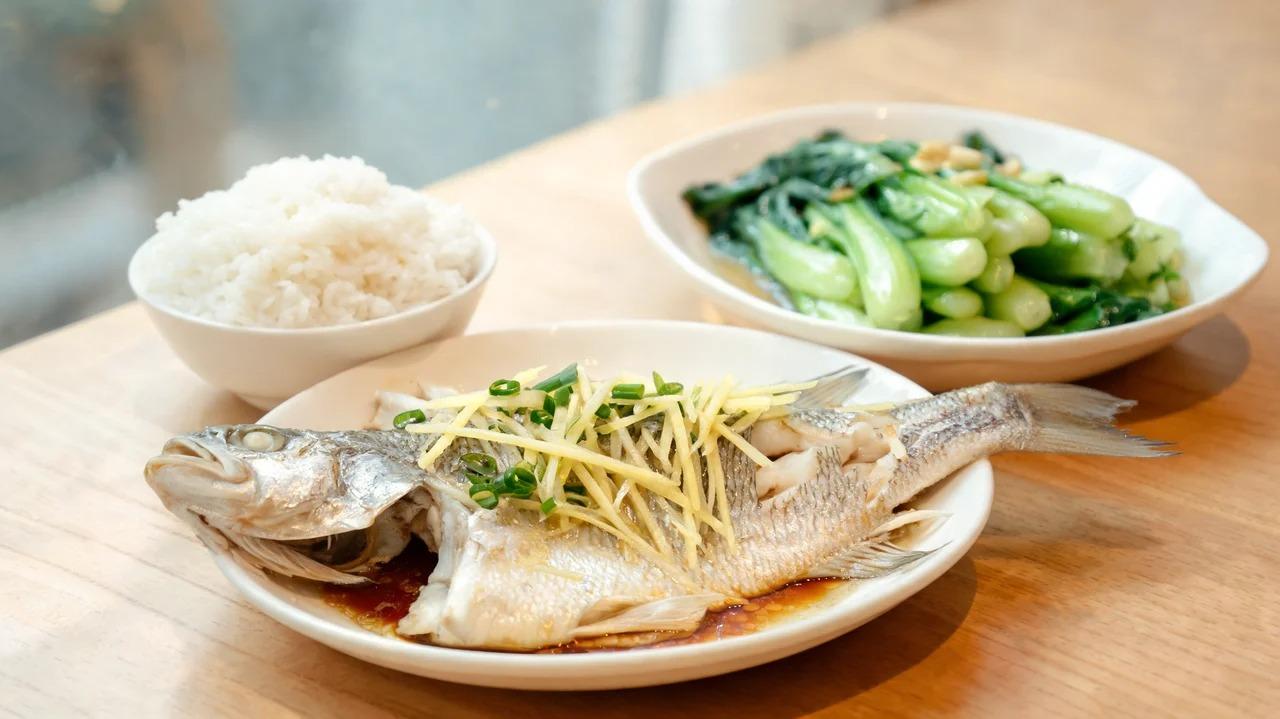
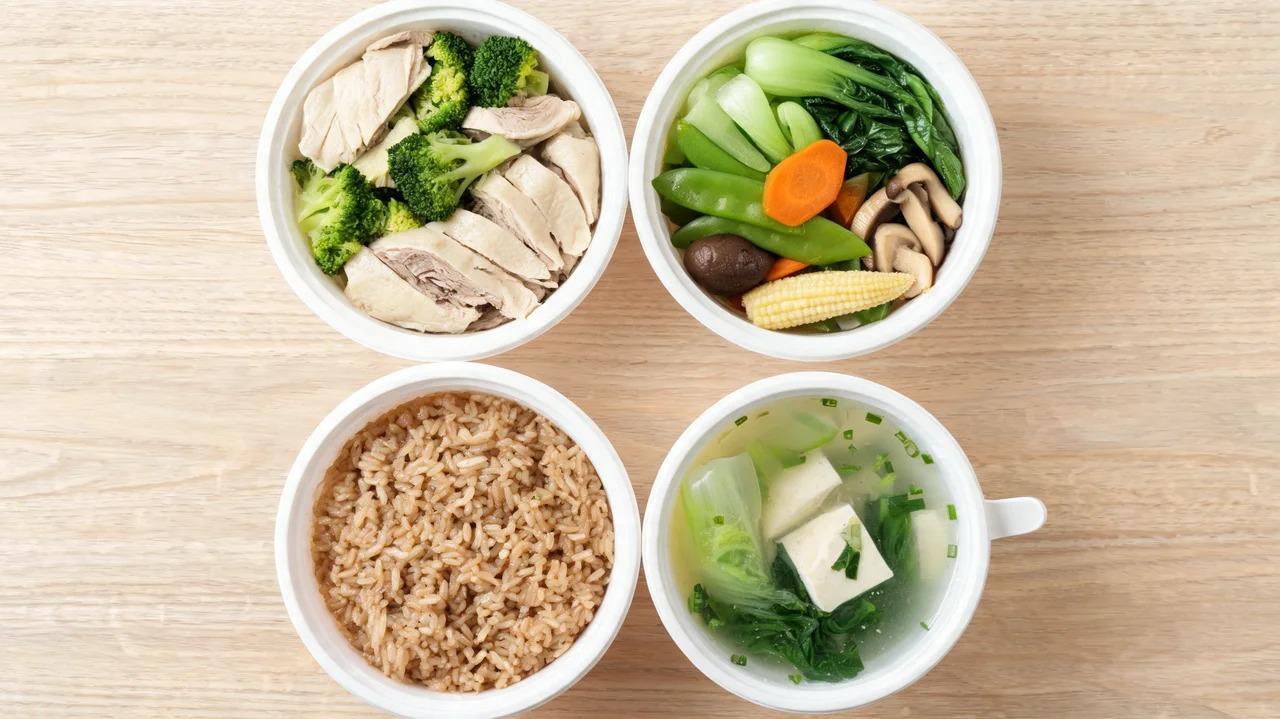
- Chinese Rice for Weight Loss: Plain steamed rice can fit into a weight loss plan if you watch your portion size. Fried rice is harder to fit in; the oil alone adds a significant calorie hit. If you’re eating out, ask for steamed rice and load up on vegetables and lean protein instead.
- Chinese Rice for Diabetics or Blood Sugar Management: White rice raises blood sugar faster than brown or parboiled rice, so portion size and pairing matter more here. Eating plain rice alongside fiber and protein slows the blood sugar response. If you have diabetes, brown rice or parboiled rice at home is a better swap than white.
- Chinese Rice in a Gym or High-Protein Diet: Plain white rice is actually a popular post-workout carb source because it digests quickly and replenishes glycogen. For a gym diet, the issue isn’t the rice; it’s the restaurant version loaded with oil and sodium. Homemade rice with lean protein is a solid gym meal.
Is Chinese Rice Actually Worth Eating?
Yes, but it depends on what you’re eating.
Plain steamed rice is a solid, clean carb. It’s low in fat, easy on your stomach, and fits into most diets without any real issues.
Chinese fried rice from a restaurant is a different thing entirely. The oil, the sodium, and the portion size are what make it heavy, not the rice itself.
That’s actually good news. It means Chinese rice health isn’t a yes or no question; it’s a how question. Change how it’s cooked, control how much you eat, and the answer shifts in your favor pretty quickly.
Order plain rice when you’re eating out. Make fried rice at home when you want it. Those two swaps alone put you in a much better position than most takeout meals allow.
Frequently Asked Questions
Is brown rice available at Chinese restaurants?
Rarely. Most Chinese restaurants stick to white rice. A few health-focused spots offer brown rice, but you usually have to ask specifically.
Can you eat Chinese rice every day?
Yes, plain steamed rice daily is fine if portions stay reasonable. Restaurant fried rice every day is a different story; the sodium and calories add up fast.
Is egg fried rice healthier than regular fried rice?
Slightly. The egg adds protein, but the oil and sodium stay roughly the same. It is a small nutritional improvement, not a healthy dish overall.
Does rinsing rice before cooking make it healthier?
Yes, a little. Rinsing removes excess surface starch and some arsenic residue, which can mildly lower the glycemic impact of the cooked rice.
Is Chinese rice good for digestion?
Yes, plain steamed white rice is one of the easiest foods to digest. It is low in fiber and gentle on the stomach, which is why doctors often recommend it during digestive flare-ups.