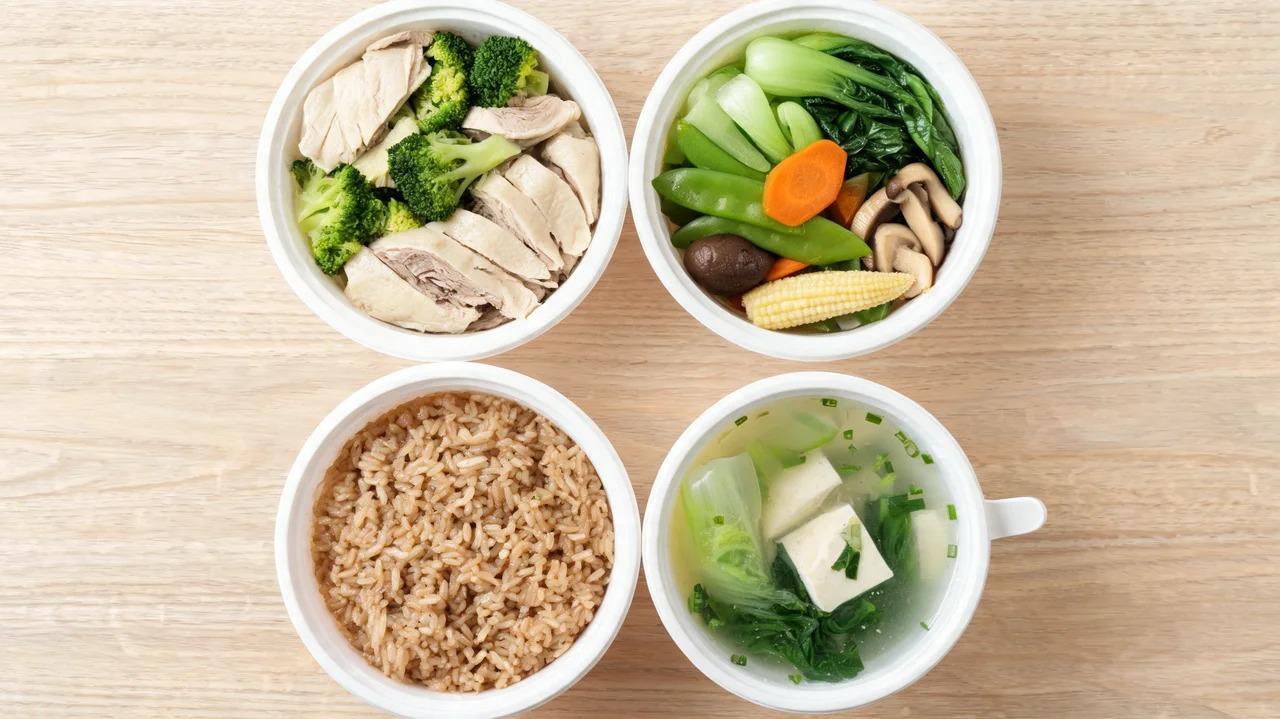
For anyone searching for healthy Chinese food options, that reputation makes the menu feel more limited than it actually is.
The cuisine has a strong tradition of vegetable-forward cooking, lean proteins, and broth-based dishes that are genuinely good for you.
The problem is not the food itself; it is the specific dishes most people default to when ordering.
Healthy Chinese food options exist across every part of the menu, from starters to mains to sides.
Once you know what separates a smart pick from a calorie-heavy one, the menu stops feeling like a minefield and starts looking a lot more manageable.
What Makes a Chinese Takeout Dish Healthy?
A Chinese takeout dish is healthy when it pairs a lean protein with vegetables, uses a cooking method that adds little oil, and arrives with a sauce you control.
Steamed, braised, and lightly stir-fried dishes meet that bar, while battered, deep-fried, or sugar-glazed dishes rarely do.
Cooking method is the first filter, and it is where low-fat Chinese food separates from the rest of the menu.
In CSPI’s analysis, battered and deep-fried lemon chicken came in at about 1,400 calories per order, while stir-fried chicken with black bean sauce came in at about 700.
Sauce is the second filter, and it is the one diners tend to miss.
Sauce carries the soy sauce, oyster sauce, and sugar, and CSPI found that a single tablespoon of soy sauce holds about 1,000 mg of sodium.
If calories are your main concern, our low-calorie Chinese food rankings sort the menu dish by dish.
The rest of this guide focuses on protein, sodium, and fiber, which shape how a meal works for your health beyond its calorie count.
Quick note on portions: A dinner-size order at a Chinese restaurant often holds two meals. CSPI found that most chicken, tofu, beef, or pork entrées deliver 50 to 100 grams of protein, so eating half and saving the rest is the most direct way to keep sodium and calories in line.
Healthy Chinese Soups and Starters
Soups are among the most overlooked healthy Chinese food options on any menu.
A 2007 study in the journal Appetite found that people who started lunch with a broth-based soup ate about 20% less over the whole meal.
The trade-off is sodium, which runs high in all three broth soups below. Choosing a cup over a bowl keeps that in check.
1. Egg Drop Soup
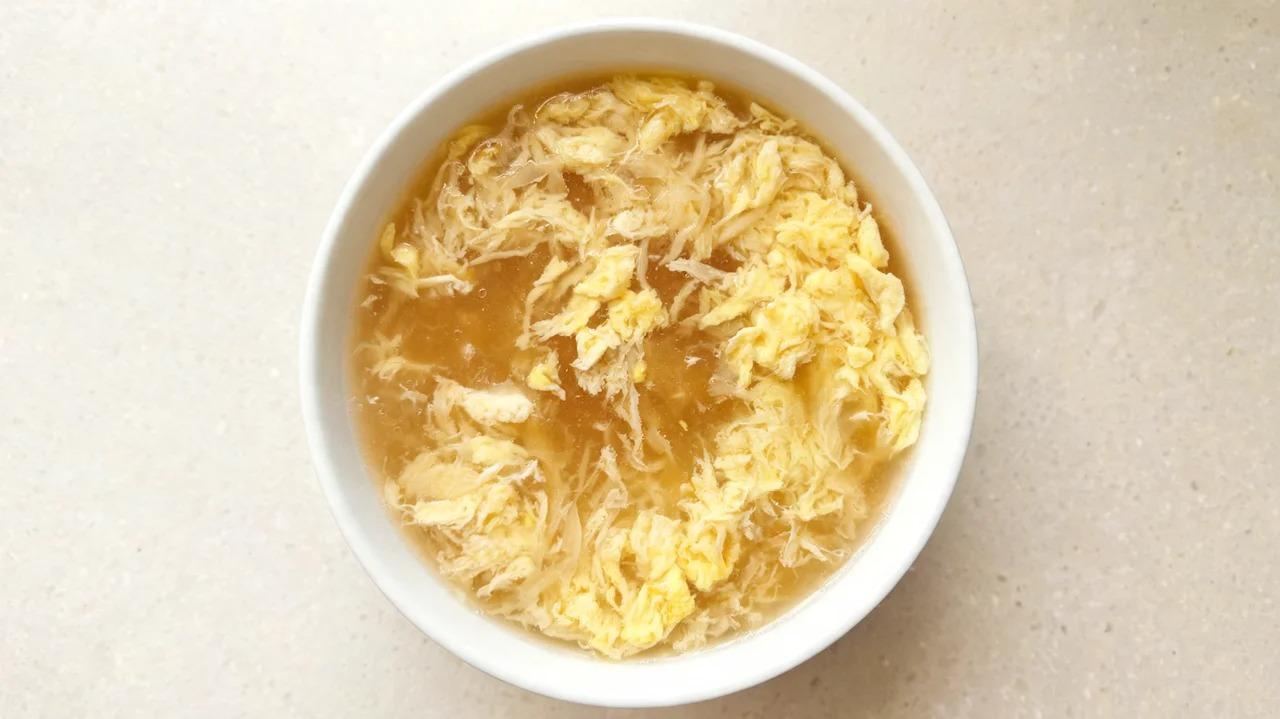
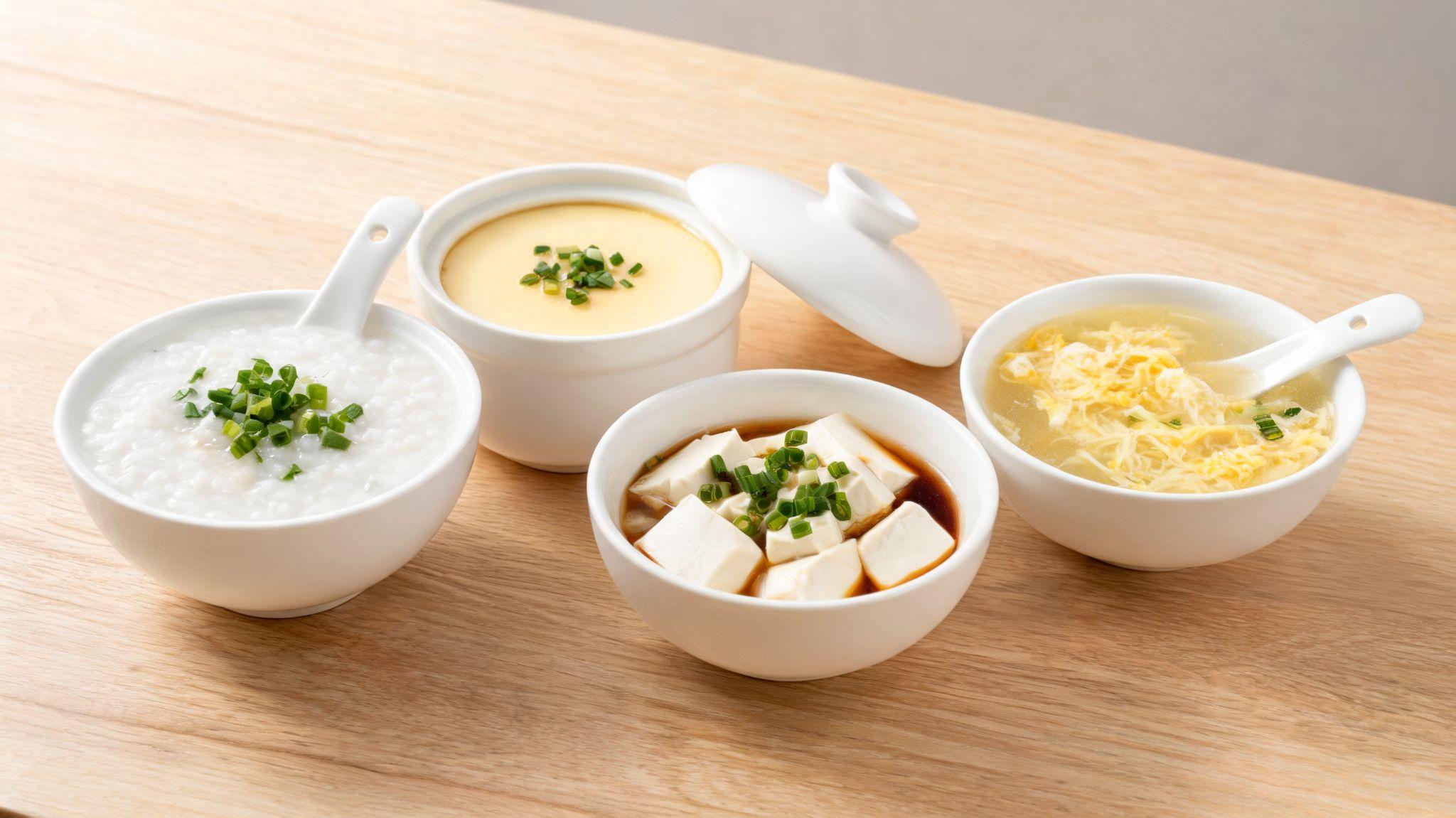
Egg drop soup is seasoned chicken broth with beaten egg stirred in until it forms thin ribbons.
CSPI measured about 100 calories and 900 mg of sodium per serving, which makes it one of the lightest starters by calories, though not by salt.
The egg adds a little protein, and the warm broth slows your pace before the main course. Skip the fried noodle strips served alongside, which add fat without adding much else.
2. Hot and Sour Soup
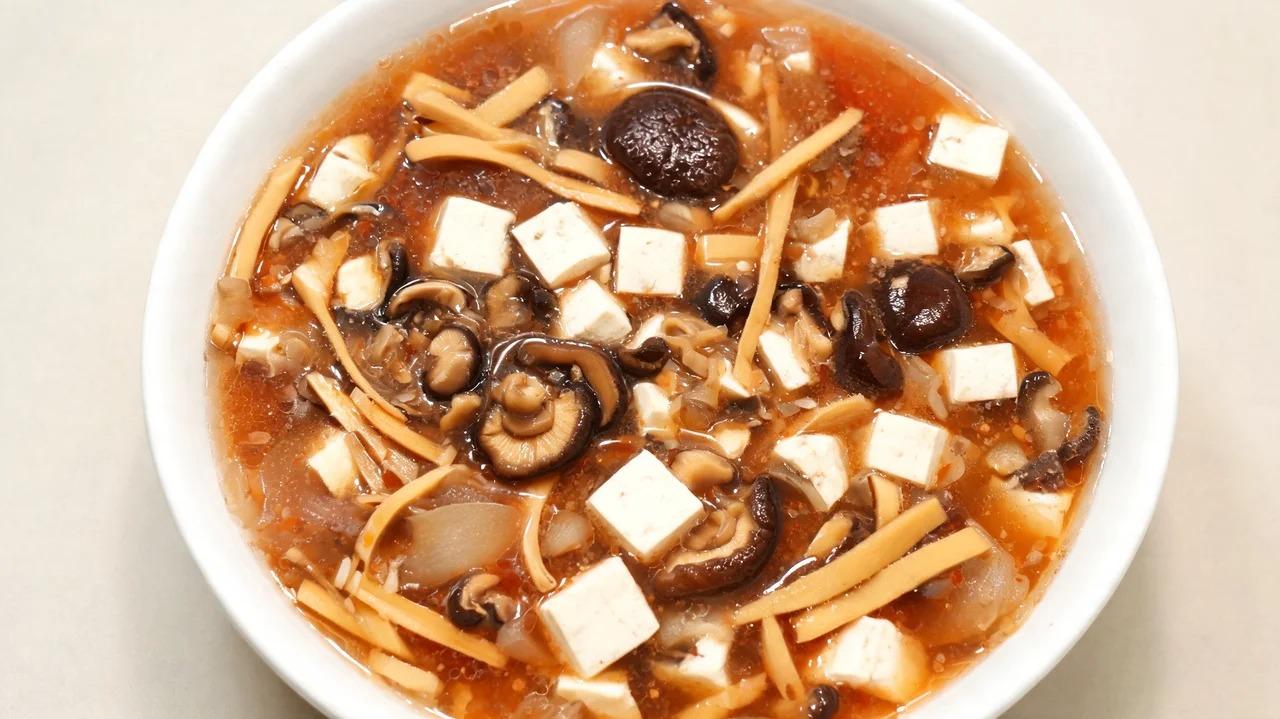
Hot and sour soup gives you more to eat for a similar calorie count, thanks to tofu, mushrooms, bamboo shoots, and a vinegar-based broth.
It is also the saltiest of the three, at about 1,100 mg of sodium per serving in CSPI’s analysis.
The sharp, tangy flavor means it doesn’t need extra soy sauce at the table. Order a cup instead of a bowl if you are watching sodium for the rest of the day.
3. Wonton Soup
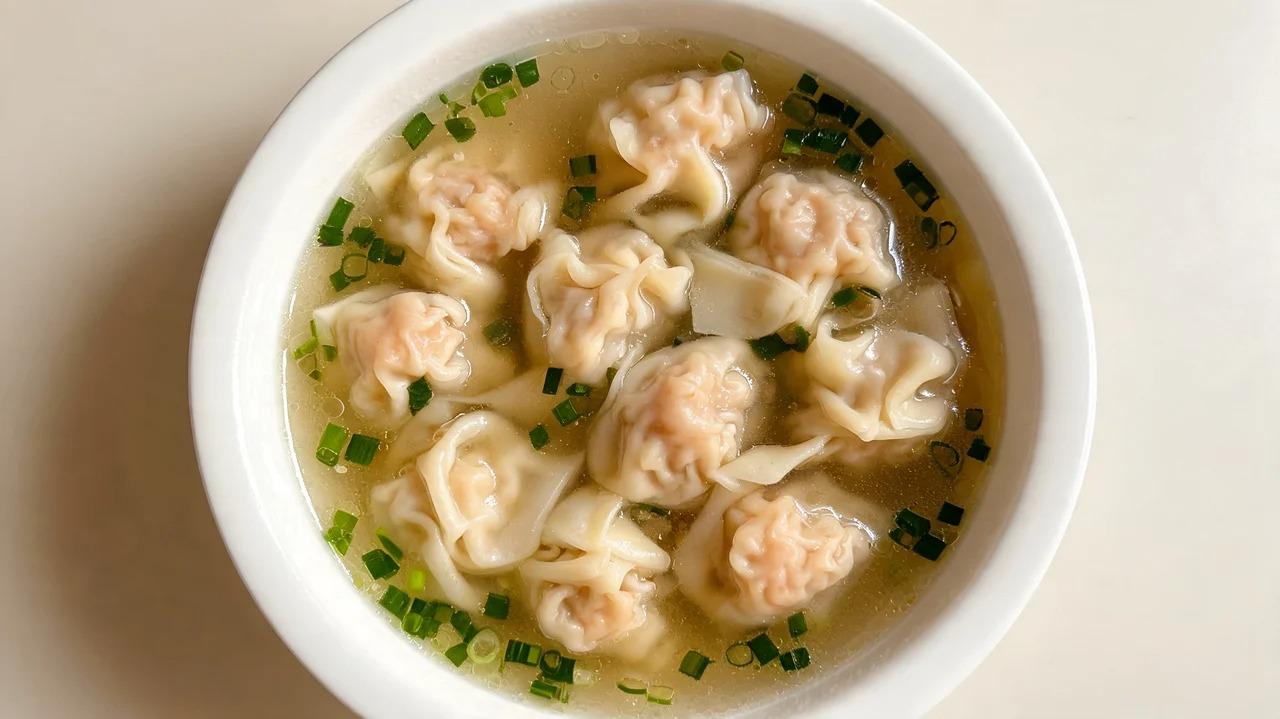
Wonton soup pairs clear broth with small dumplings filled with pork or shrimp, which makes it more filling than a plain broth soup.
CSPI measured about 100 calories and 800 mg of sodium per serving, the lowest sodium of the three.
Its soft wrappers and broth also make it a common pick for anyone eating gently after dental work. Our soft Chinese food guide covers that angle in detail.
4. Steamed Dumplings
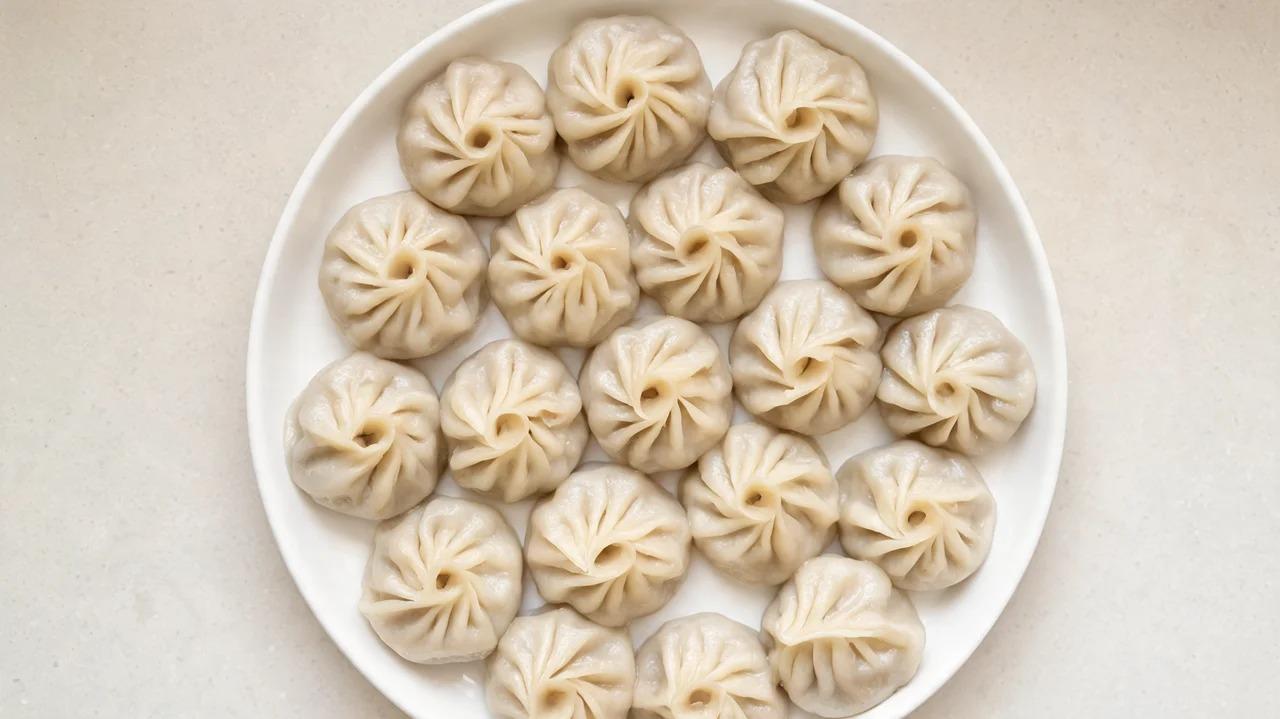
Steamed dumplings are the most substantial starter in this group, and the portion decides how light they stay.
CSPI found that six steamed pork dumplings carried about 900 mg of sodium and six vegetable dumplings about 1,100 mg, before any dipping sauce.
Share an order, choose vegetable fillings for extra cabbage and greens, and dip lightly. The soy-based dipping sauce adds sodium with every dunk.
The Healthiest Chinese Takeout Mains
If you want the healthiest Chinese food to order as a main, these six build the plate around protein and vegetables with a sauce you can control.
Figures come from USDA FoodData Central and CSPI’s lab analysis, and they are estimates, since recipes and portions vary by restaurant.
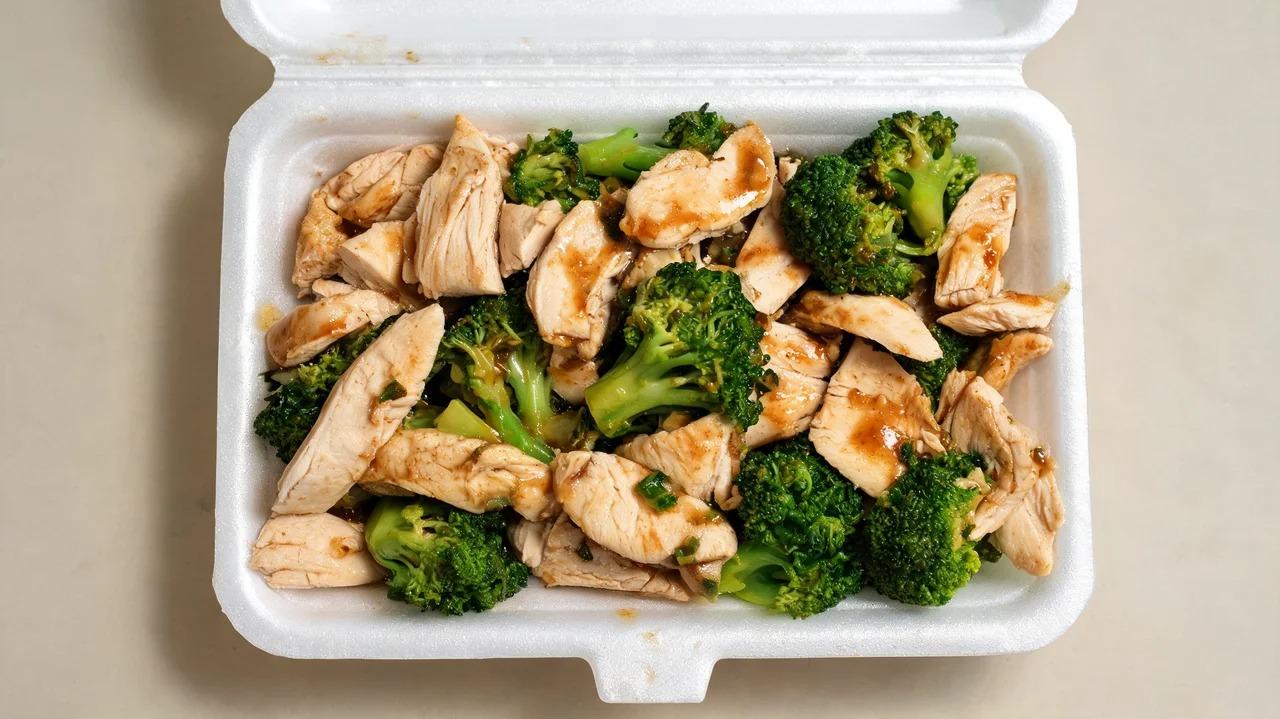
1. Steamed Chicken with Broccoli
- Calories: 280 to 350 per serving
- Protein: 30 to 35g
- Carbs: 15 to 20g
- Fat: 7 to 10g
- Sodium: 600 to 900mg (sauce on side reduces this significantly)
The most reliable option on any Chinese menu. A standard serving runs roughly 280 to 350 calories depending on portion size and sauce use.
Lean chicken breast paired with fiber-rich broccoli in a preparation that does not rely on oil or sugar to taste good.
Protein stays high, calories stay low, and it keeps you full without feeling heavy. Ask for sauce on the side every time. That one request cuts sodium significantly per serving.
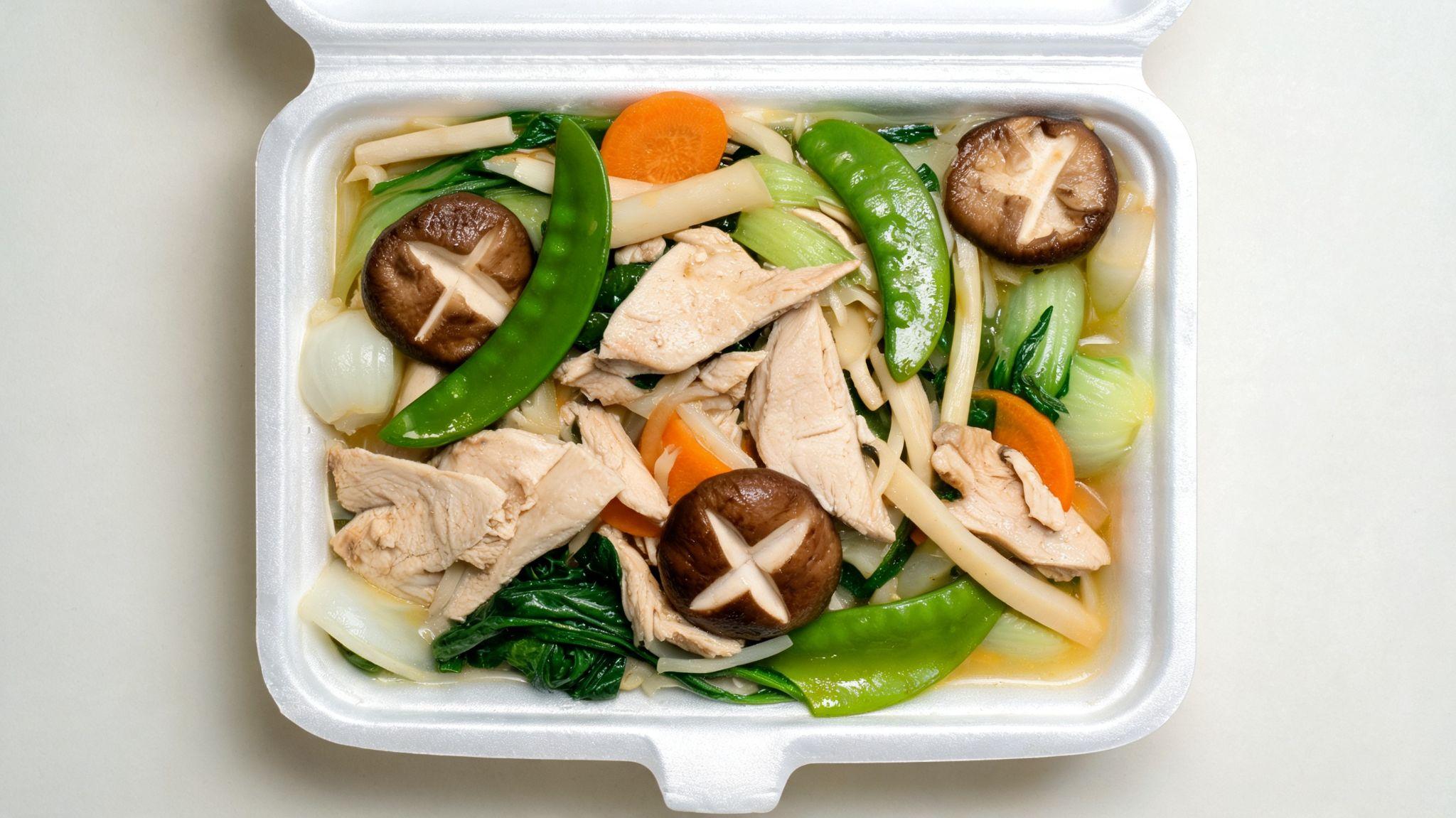
2. Moo Goo Gai Pan
- Calories: 270 to 340 per serving
- Protein: 25 to 30g
- Carbs: 12 to 18g
- Fat: 8 to 12g
- Sodium: 500 to 800mg
Sliced chicken breast stir-fried with mushrooms, snow peas, and fresh vegetables in a light broth-based sauce. What separates it from heavier stir-fries is the sauce.
Most Chinese stir-fry sauces are thickened with sugar and cornstarch, which pushes calories and sodium up fast.
Moo Goo Gai Pan uses a thinner, broth-forward sauce that lets the vegetables and protein carry the dish. Ask for light oil and you have a genuinely balanced meal most people walk straight past on the menu.
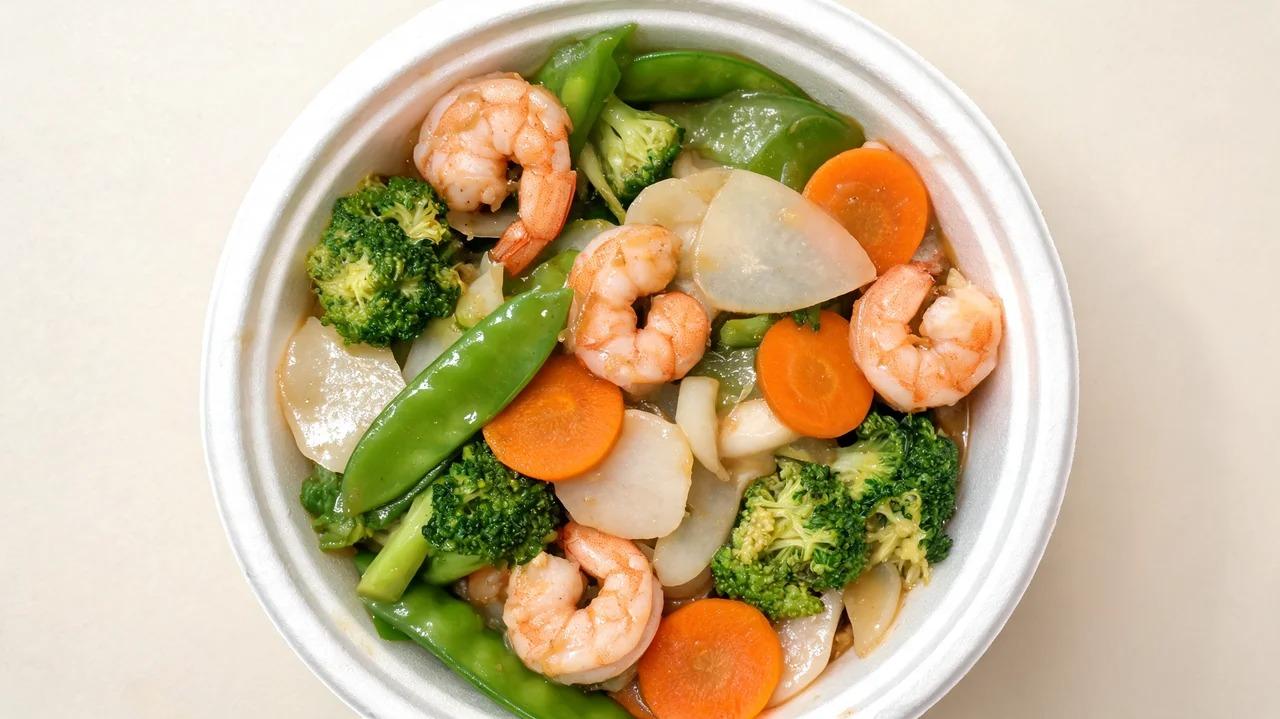
3. Shrimp with Mixed Vegetables
- Calories: 200 to 300 per serving
- Protein: 25 to 30g
- Carbs: 12 to 18g
- Fat: 6 to 8g
- Sodium: 600 to 900mg
Shrimp is one of the leanest proteins on any Chinese menu. High in protein, low in carbohydrates, and low in fat before anything else is considered. Paired with broccoli, snap peas, carrots, and water chestnuts in a light sauce, it covers protein and fiber in one dish.
Steamed or lightly sauteed both work. The preparation is light enough that it does not need heavy sauce, so asking for it on the side is an easy call.
4. Buddha’s Delight
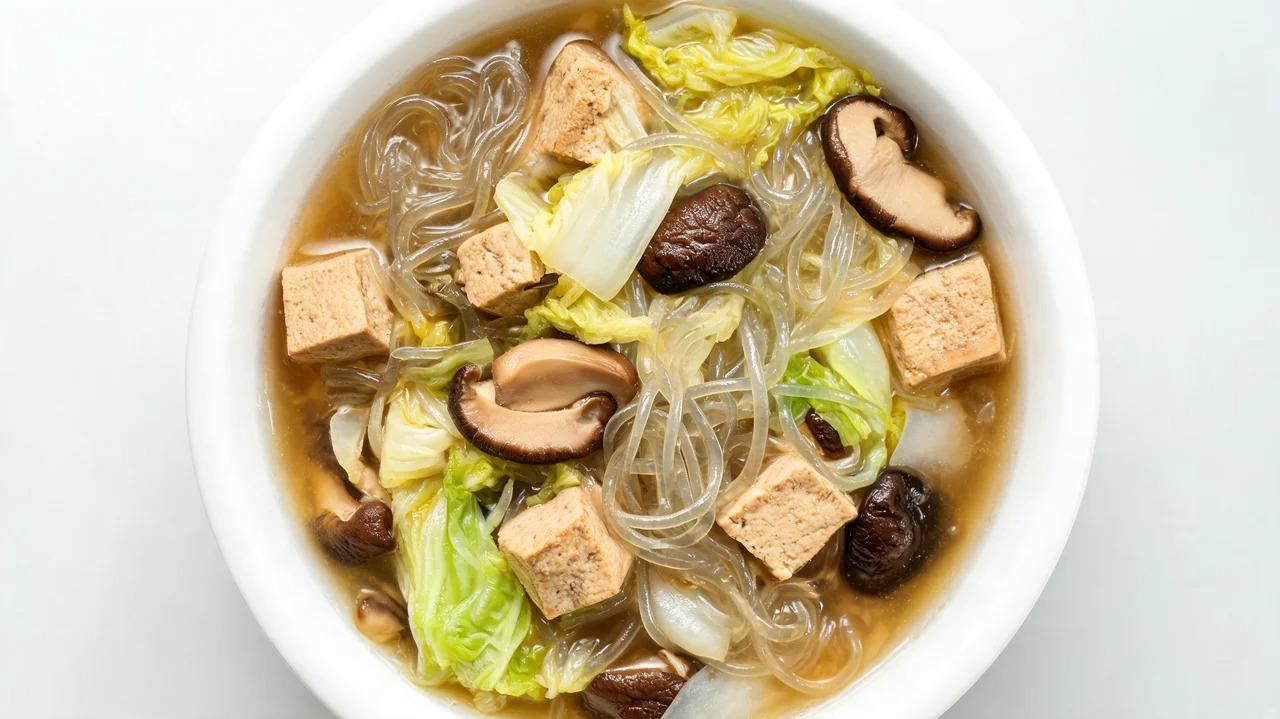
- Calories: 250 to 350 per serving
- Protein: 10 to 15g
- Carbs: 25 to 35g
- Fat: 10 to 15g
- Sodium: 500 to 800mg
A traditional dish made from braised tofu, mushrooms, napa cabbage, and glass noodles simmered in a light broth.
High in fiber, low in saturated fat, and filling in a way most vegetable dishes are not because the tofu and glass noodles add real substance.
The best vegetarian option on the menu for anyone who wants something more than a plate of stir-fried greens. Ask for sauce on the side to keep sodium in check.
5. Chicken Lettuce Wraps
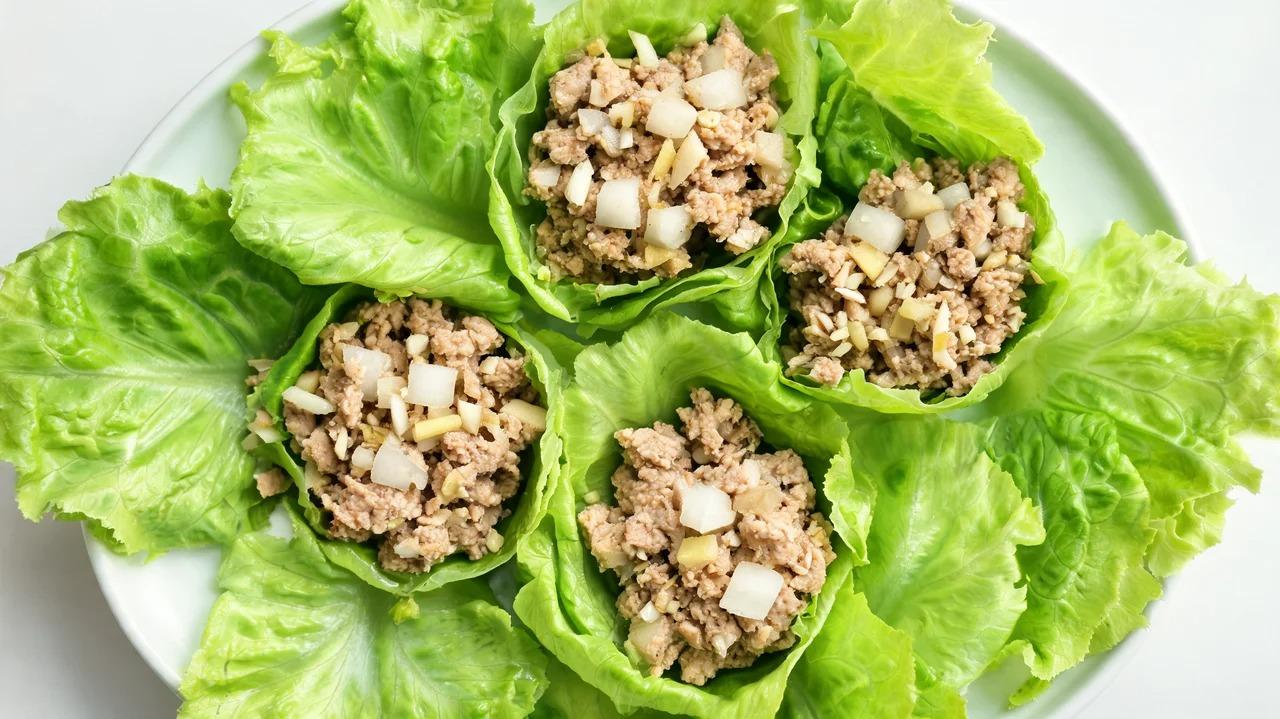
- Calories: 200 to 280 per serving
- Protein: 20 to 25g
- Carbs: 10 to 15g
- Fat: 8 to 12g
- Sodium: 700 to 1,000mg (hoisin on side reduces this)
Minced chicken cooked with water chestnuts, ginger, and garlic served in lettuce cups.
The lettuce replaces the carbohydrate base entirely, which keeps the calorie count lower than most mains.
Good flavor without a heavy sauce. Where this dish goes wrong is the hoisin that comes with it.
Hoisin is high in sugar and sodium so ask for it on the side and use a small amount rather than pouring it over the whole dish.
6. Tofu Stir-Fry
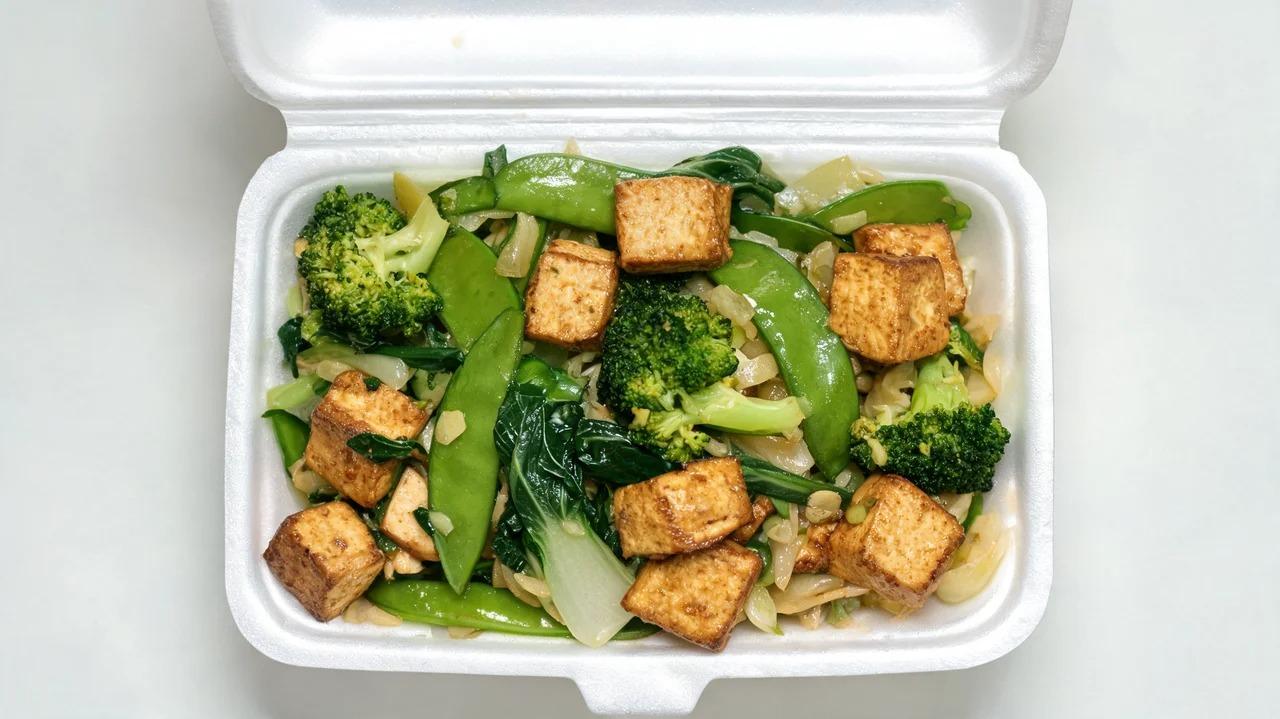
- Calories: 220 to 300 per serving
- Protein: 15 to 20g
- Carbs: 12 to 18g
- Fat: 10 to 14g
- Sodium: 500 to 800mg
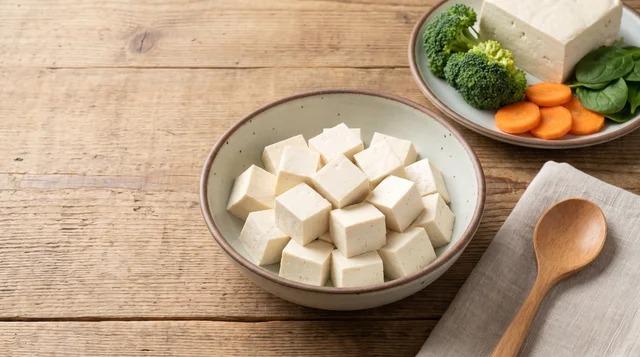
Firm tofu provides around 10 grams of protein per half cup, which makes it a meaningful plant-based main rather than a side dish with the meat removed.
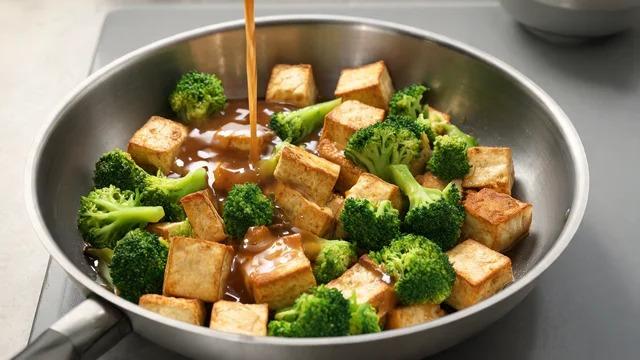
Stir-fried with broccoli, snow peas, or bok choy in a garlic or ginger sauce, it holds up as a complete meal. Ask for steamed tofu over fried if the menu gives you the option.
Fried tofu absorbs significantly more oil without adding any nutritional value.
Calorie counts across these dishes vary more than most people expect depending on portion size and sauce use.
The Sides That Make Your Meal Better
Sides decide whether healthy Chinese food options hold together as a meal. These four add fiber, protein, or volume without loading the plate with oil.
1. Brown Rice
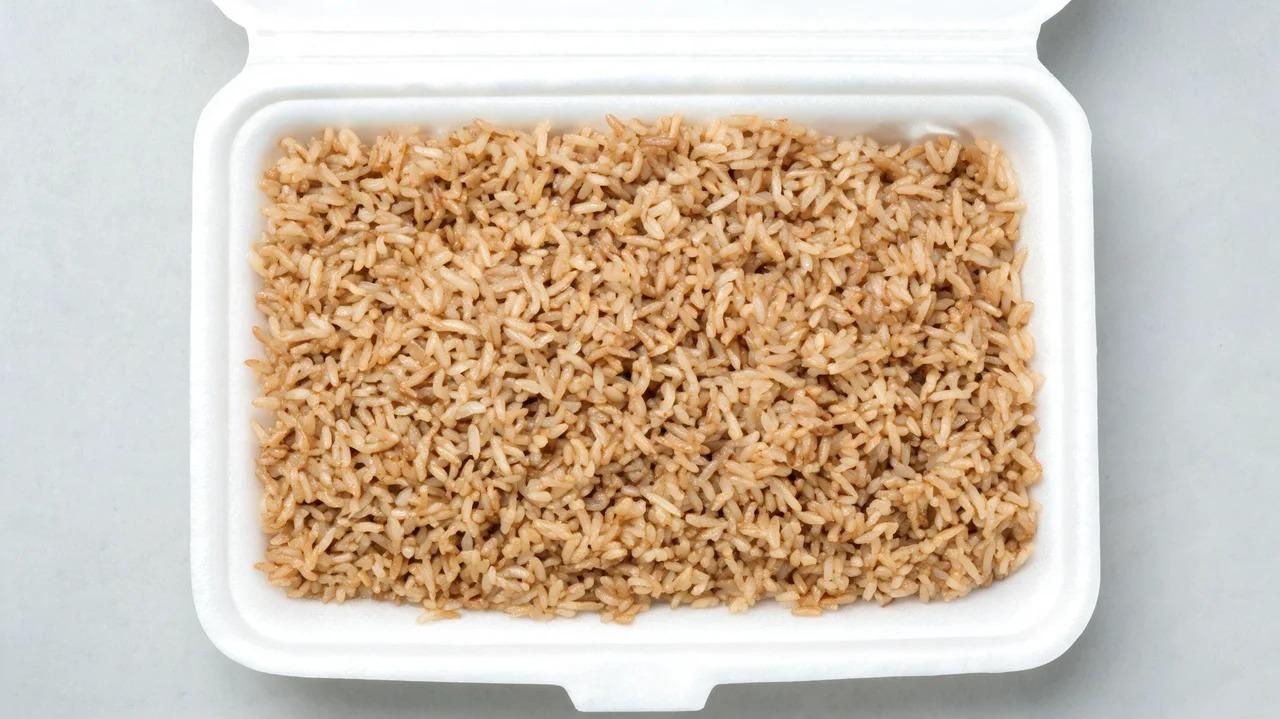
Brown rice is the most direct upgrade at the side-dish level. One cup of cooked long-grain brown rice provides about 216 calories, 3.5 grams of fiber, and 5 grams of protein, according to USDA FoodData Central.
That fiber helps a meal keep you full longer. If the restaurant offers it, take it and keep the portion near one cup.
2. White Rice
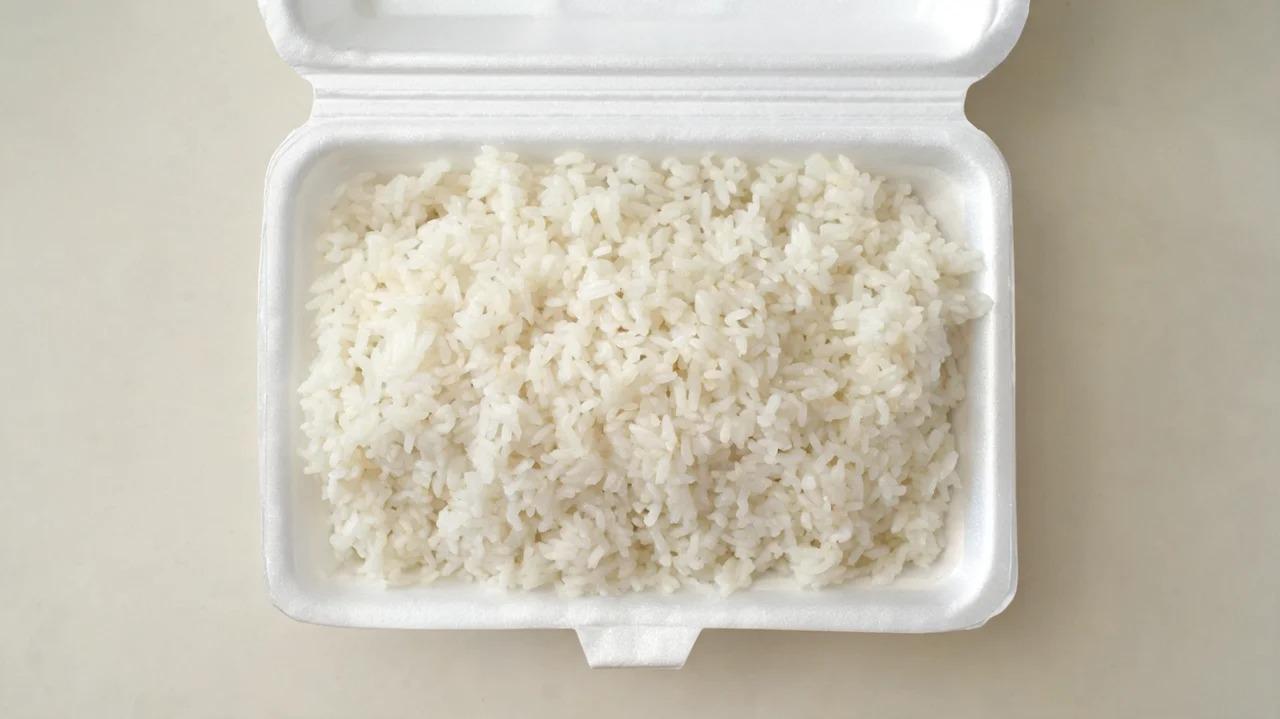
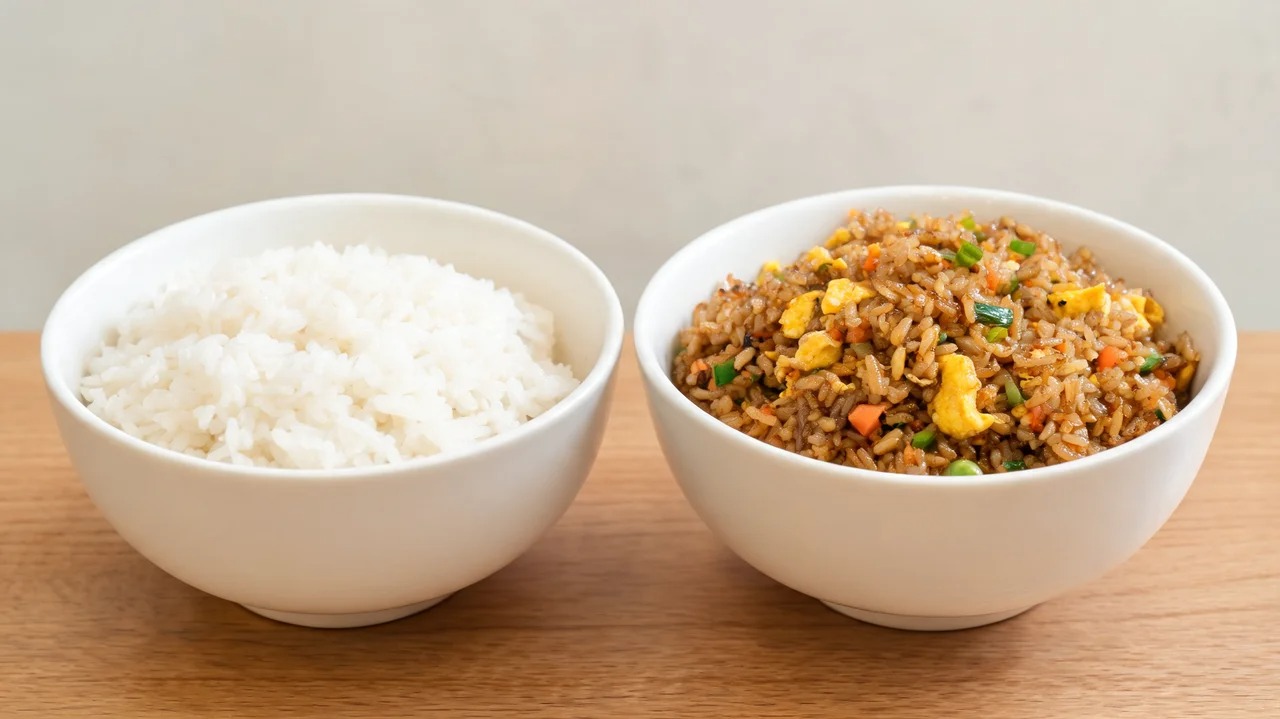
Plain white rice is a low-fat, neutral base at about 205 calories and 0.6 grams of fiber per cooked cup.
The trouble starts when sauce soaks into it or when a takeout carton holds about two cups, as CSPI noted.
Whether white rice suits your goals depends on portion, pairing, and preparation. Our breakdown of is Chinese rice healthy compares steamed and fried rice in detail.
3. Steamed Mixed Vegetables
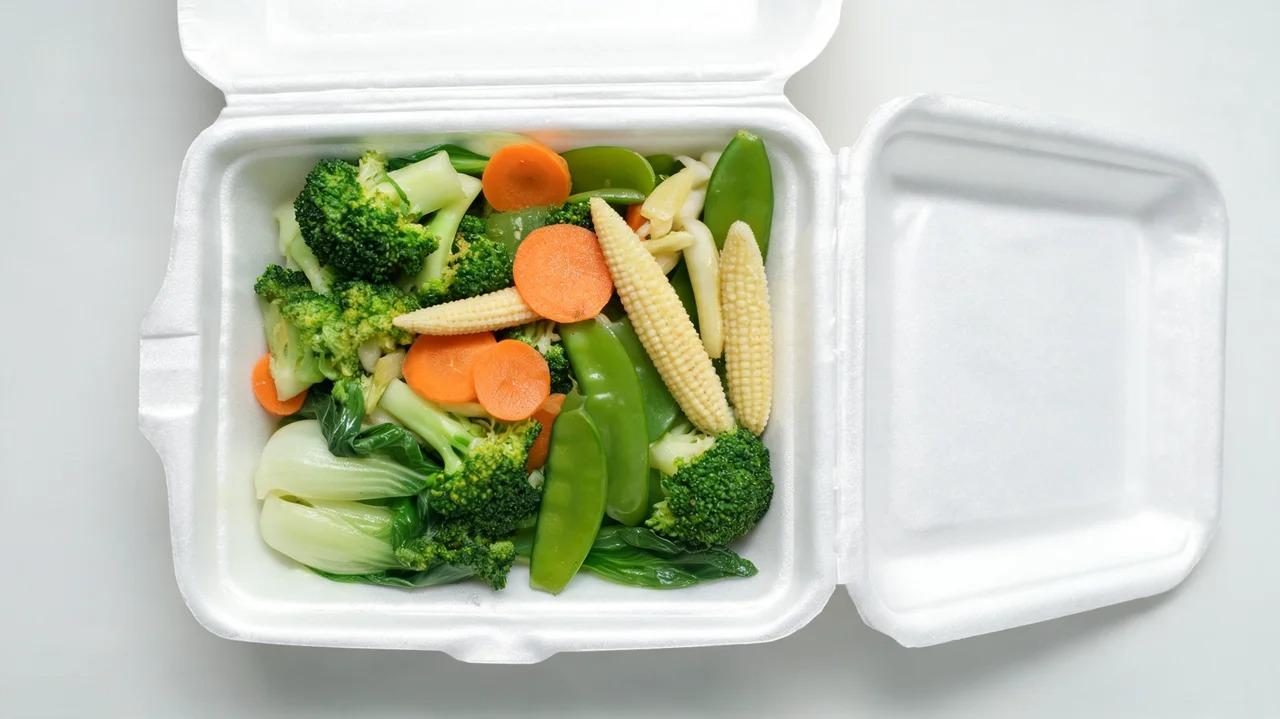
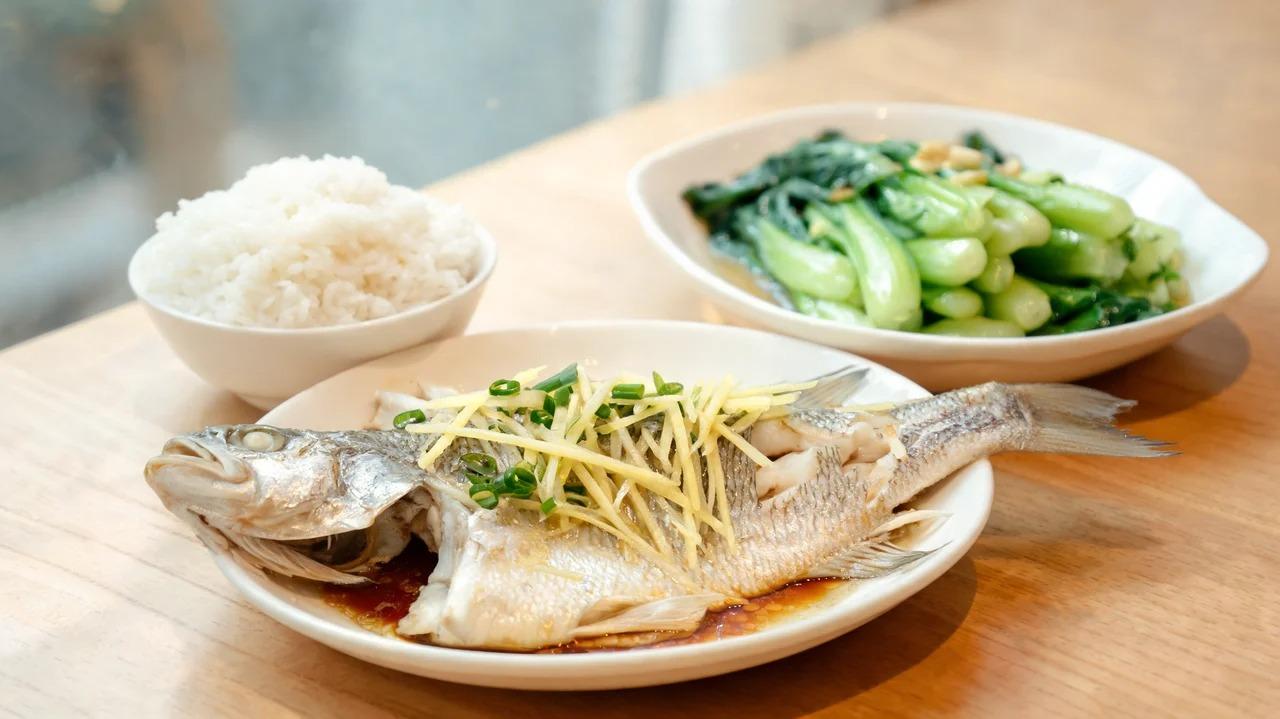
Steamed mixed vegetables add fiber and volume to any protein dish while adding few calories. Ordered plain, they add little sodium, which makes them a practical way to stretch a heavier main into two balanced meals.
4. Steamed Tofu
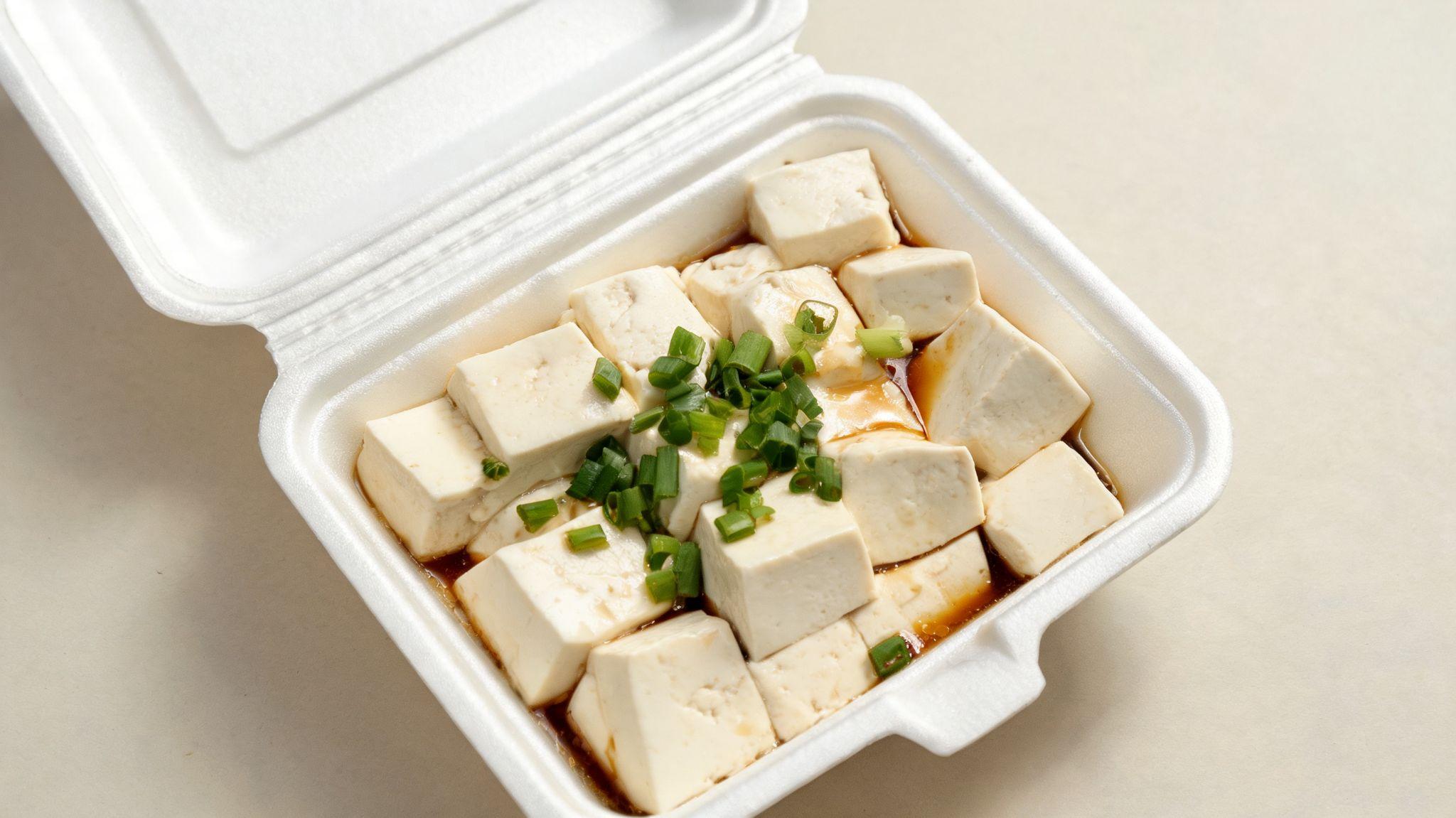
Steamed tofu is worth adding when your main dish runs light on protein. Half a cup of regular tofu provides about 94 calories, 10 grams of protein, and under 10 mg of sodium before any sauce, per USDA FoodData Central.
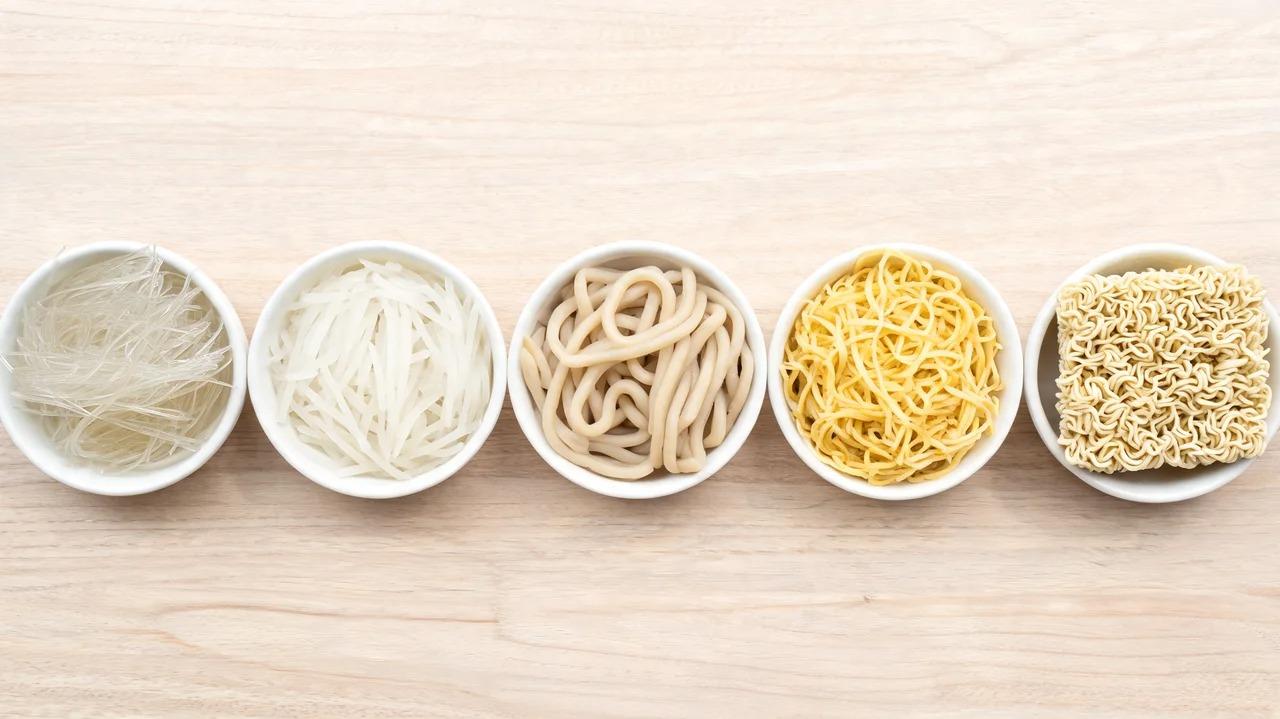
Noodle sides deserve their own look, since glass, rice, wheat, egg, and instant noodles differ in calories, blood sugar impact, and sodium.
Our guide to Chinese noodle types compared breaks each one down.
5 Ordering Habits That Make Chinese Takeout Healthier
Healthy Chinese food options are only half the equation, because how you order shapes the final numbers as much as what you order. These five habits work at nearly any Chinese restaurant.
- Get the Sauce on the Side:Ask for sauce on the side, then add it a spoonful at a time. CSPI also suggests serving yourself with a fork or chopsticks instead of a spoon, so more of the salty sauce stays on the platter instead of soaking into your rice.
- Build the Order Around Protein, Vegetables, and Broth:Use one framework across the menu: one protein-forward main, one vegetable dish, and one broth-based soup. That mix covers protein and fiber, and it leaves little room on the table for fried extras.
- Choose Steamed, Braised, or Lightly Stir-Fried:Request steamed or lightly stir-fried versions of proteins and tofu wherever the menu allows. Braised dishes work too, as long as the braising liquid is broth-based rather than sugar-heavy.
- Ask for Less Oil:Ask the kitchen to go light on oil, or request a broth-based stir-fry. Every tablespoon of cooking oil adds about 120 calories, per USDA FoodData Central, so a lighter hand in the wok adds up across an order.
- Swap Fried Rice for Steamed Rice:Swap fried rice for steamed white or brown rice as your base. Fried rice brings extra oil and soy sauce to a meal that already carries sodium from the main dish.
A Note on Sodium and Heart-Healthy Chinese Food
Sodium is hard to remove from Chinese takeout even with every habit above in place, and diets higher in sodium are associated with a higher risk of high blood pressure.
The FDA sodium intake guidance sets the Daily Value at less than 2,300 mg, which one restaurant entrée can exceed on its own.
MSG is not the main culprit here. The FDA classifies it as generally recognized as safe and notes that additives such as MSG contribute smaller amounts of sodium than salt and salty sauces do.
If you are managing high blood pressure, heart disease, kidney disease, or diabetes, a doctor or registered dietitian can help you set sodium and carbohydrate targets that fit your situation. Treat the habits above as reduction strategies, not a full solution.
Steamed, Protein-Forward, and Sauce on the Side
Healthy Chinese food options come down to three choices you make at the counter: the cooking method, the sauce, and the portion.
Steamed or lightly stir-fried proteins with vegetables, a broth soup, and a measured scoop of brown or white rice give you a meal with real protein and fiber.
Sodium is the number to watch, because even the lighter dishes in CSPI’s testing carried a large share of a day’s limit.
Splitting an order and keeping the sauce on the side brings that share down.
For your next order, pick one main from the list above, add steamed vegetables, and save half for tomorrow’s lunch.
Frequently Asked Questions
What Are Some Easy and Healthy Chinese Recipes?
Tomato and egg stir-fry, shrimp with snow peas, smashed cucumber salad, and steamed tofu with scallions are straightforward to cook at home. Measure the oil and use reduced-sodium soy sauce to keep sodium in check.
What Vegetables Are in Chinese Food?
Common choices include bok choy, napa cabbage, Chinese broccoli (gai lan), snow peas, bean sprouts, bamboo shoots, water chestnuts, eggplant, and mushrooms such as shiitake and wood ear. Leafy greens are often stir-fried with garlic.
What Is the Best Chinese to Eat When on a Diet?
For lower carbs, choose lettuce wraps and skip the rice. For plant-based eating, order ma po tofu without pork, and for lower sodium, choose steamed dishes with the sauce on the side.