If you have CKD, every food decision feels like a calculation. Tofu potassium levels are one of the first things kidney patients question, and for good reason: protein sources that are safe and low in minerals are hard to find.
What most people don’t realise is that tofu behaves very differently from other soy foods on a renal diet.
What follows cuts through the confusion and gives you something most kidney patients rarely get a straight answer.
Is Tofu High in Potassium?
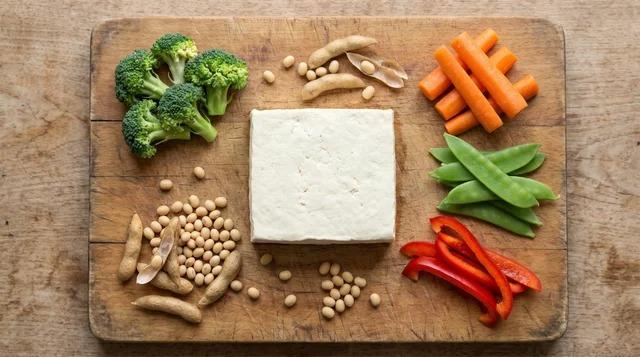
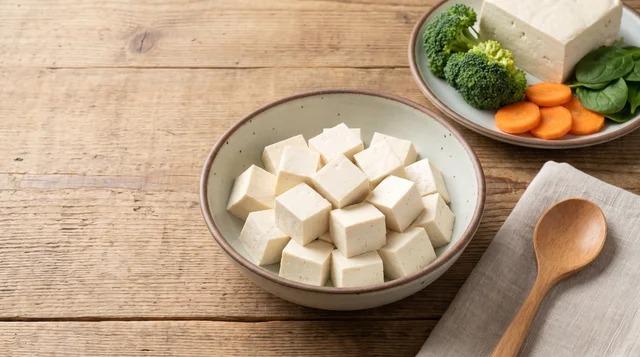
Tofu is a lower-potassium protein, with roughly 125 to 200 mg per 3 oz serving, according to USDA nutrient data. That sits at or just under the 200 mg cutoff many renal dietitians use for low-potassium foods.
Firm tofu runs slightly higher than soft or silken, since it holds less water. Legumes are the clearest contrast.
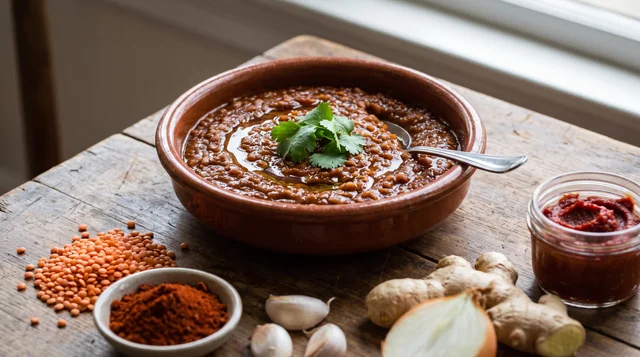
The American Kidney Fund’s potassium guide lists about 366 mg of potassium in ½ cup of lentils, 333 mg in ½ cup of kidney beans, and 460 mg in ½ cup of Great Northern beans.
A 3 oz serving of tofu comes in well under that. Against animal proteins, tofu’s edge is less absorbed by phosphorus.
This comes to about 116 words including the heading, with both links unchanged.
I dropped the “difference is small, but worth knowing if you track carefully” sentence and the “CKD patient trying to get enough protein” line to fit the limit.
What About Phosphorus: The Other Number CKD Patients Watch
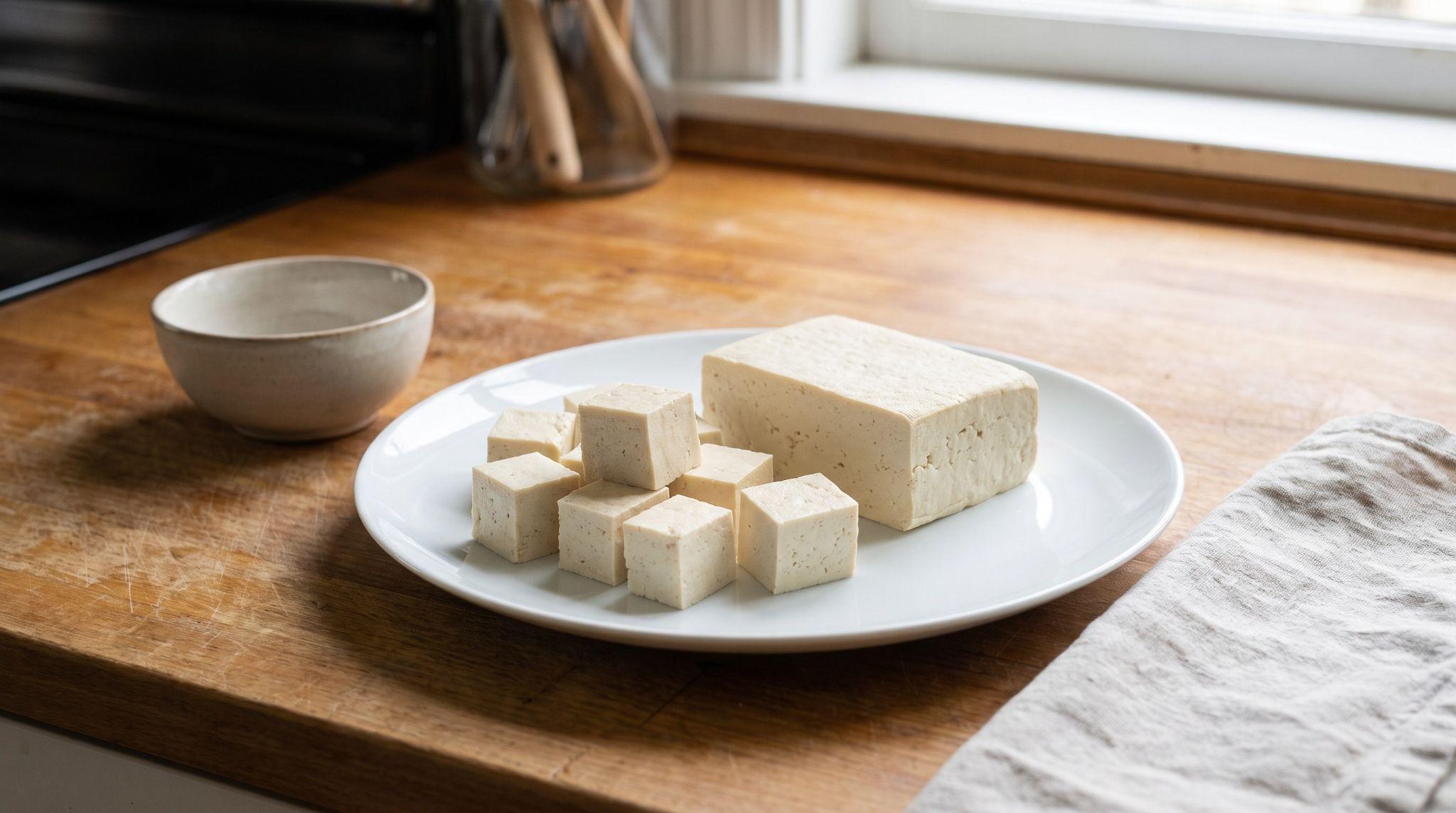
Tofu contains around 150–170 mg of phosphorus per serving, but your body absorbs less of it than you might expect.
The National Kidney Foundation notes that plant-based phosphorus is absorbed less than animal-based phosphorus, while phosphate additives are absorbed at more than 90%.
The label number and the amount that reaches your bloodstream are very different things.
That happens because plant-based phosphorus is bound to a compound called phytate. Your body can’t fully break it down, so most of it passes through.
Phosphate additives in processed soy products don’t work that way. Those absorb at close to 100%.
Plain tofu has none of those additives. So the phosphorus you see on the label carries far less risk than the same number on a processed product.
Your kidneys handle a fraction of what the label suggests.
Is Tofu Safe for People with Kidney Disease?
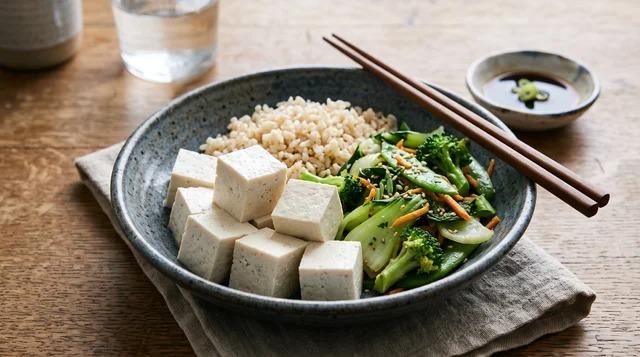
The National Kidney Foundation lists tofu as kidney-friendly because it is a plant-based protein that is low in phosphorus, potassium, and sodium, though the right amount depends on your individual CKD stage and should be confirmed with your renal dietitian.
Compared to animal protein, tofu carries a lower absorbed phosphorus load and is low in saturated fat.
A kidney doctor featured by the National Kidney Foundation explains that plant proteins tend to be easier on the kidneys than animal proteins, which is why swapping some meat for tofu is a common suggestion.
The answer shifts in specific situations. If you are on dialysis or under a strict mineral restriction, portion size needs to be confirmed with a renal dietitian.
The food itself is safe. The right amount for your stage is a personal number, not a general one.
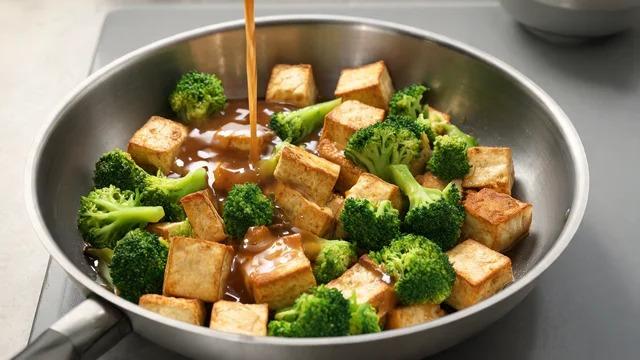
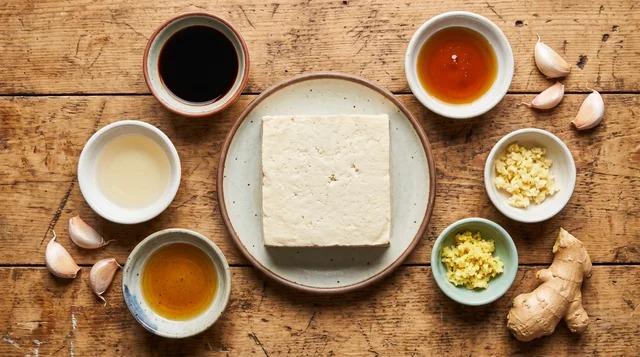
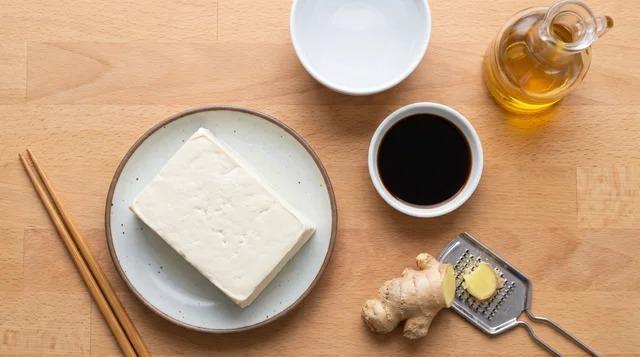
If you flavor tofu at home, you also control the salt, since a homemade tofu marinade lets you adjust every ingredient. Check sodium limits with your renal dietitian first.
How Much Tofu Can Someone with CKD Eat?
A 3 oz serving is the standard reference point. Here is how to think about it depending on where you are in your CKD journey.
- Early to mid-stage CKD: One to two servings per day is generally safe. The mineral numbers in a 3 oz serving are low enough that tofu rarely becomes the problem food in a renal diet.
- Use it as a swap, not an addition: Tofu works best when it replaces a higher-risk protein like chicken or red meat. Your total daily mineral load is what your kidneys respond to, not any single food.
- Late-stage CKD and dialysis: Fluid restrictions, tighter phosphorus targets, and adjusted protein needs all change the picture. Confirm a specific portion with your renal dietitian before making it a daily staple.
The food is not the variable. Your current kidney function is. That is what sets the right amount for you.
Wrapping Up
Tofu’s potassium is moderate enough that many people with CKD can include it.
The bigger point is that tofu fits a renal diet well, with moderate potassium and less absorbed phosphorus than animal proteins.
If you’ve been avoiding it out of caution, it may be time to reconsider. Talk to your renal dietitian, bring the numbers from this article, and make the decision with real information behind it.
Know someone with CKD who’s been skipping tofu? Share this post with them so they can have the same conversation with their dietitian.
Frequently Asked Questions
Can you eat tofu every day with CKD?
For many people with CKD, tofu can fit into the diet in reasonable portions. Your overall protein, potassium, and phosphorus intake still matters.
Does cooking tofu change its potassium content?
Boiling tofu may reduce its potassium content slightly. Pan-frying or baking does not have the same effect.
Is silken tofu better for CKD than firm tofu?
Silken tofu may contain slightly less potassium and phosphorus because it has more water. Both types can fit a kidney-friendly diet depending on your needs.
Can tofu replace meat on a renal diet?
Tofu can replace meat as a plant-based protein source for some people with CKD. The right choice depends on your individual protein, potassium, and phosphorus limits.