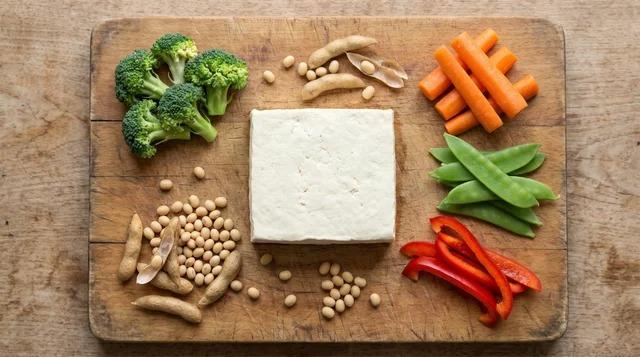
Is tofu inflammatory? If you’re trying to eat calmer and cleaner, that question comes up fast. You want a straight answer, not a long debate.
I’ve seen people cut tofu out after one scary headline. Then they keep the fried, salty takeout instead. Here’s what I keep coming back to.
After more than eight years of writing about nutrition research, the pattern I see most often is that a single food rarely decides how inflammatory a meal is, and the plate around it does most of the work.
Tofu rarely decides how inflammatory a meal is. The plate around it does. Once you see that, you can stop guessing and start choosing well at every meal. Let’s start with the direct answer.
Is Tofu Inflammatory?
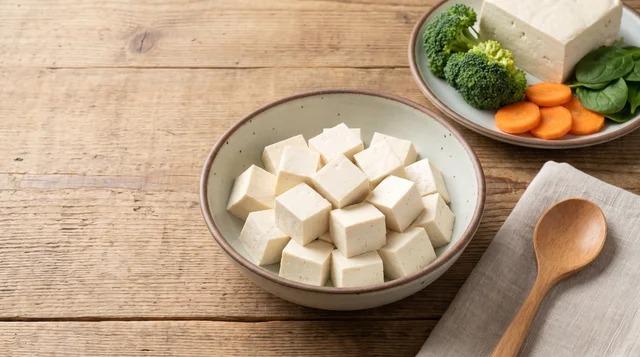
For people without a soy allergy, plain tofu is generally considered neutral to mildly anti-inflammatory rather than inflammatory.
Its isoflavones show anti-inflammatory activity in lab studies; human trials show a small benefit at best, and the biggest gains come when tofu replaces red or processed meat on the plate.
A soy allergy changes that answer, because the immune system treats soy protein as a threat.
Heavy processing matters too, since a battered, fried, or glazed product is a different food from a plain block of soybeans, water, and a coagulant.
Plain tofu is also a ready-to-eat food, as this guide to eating raw tofu safely explains. People managing kidney disease have separate mineral questions, covered in tofu potassium for kidney health.
What Soy Research Shows About Inflammation
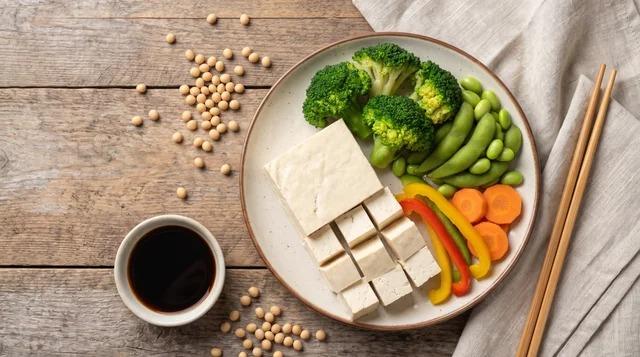
The short version is that soy looks helpful in lab studies and modestly helpful in some human trials. How much it helps depends on the type of soy, the people studied, and what else they ate.
1. How Isoflavones Work in the Body
Soybeans contain plant compounds called isoflavones, mainly genistein and daidzein.
In lab and animal studies, they act as antioxidants and can dampen NF-κB, a signaling pathway that switches on inflammatory genes.
Lab results don’t always carry over to people, since the doses and conditions differ. Think of isoflavones as a possible nudge in the right direction, not an off switch.
2. What Human Trials Found
The most useful evidence comes from meta-analyses that pool many randomized trials.
A 2021 analysis of 24 trials in The Journal of Nutrition found that soy intake lowered C-reactive protein (CRP), a blood marker of inflammation, by about 9% in postmenopausal women, with a larger drop when participants ate whole soy foods.
A separate 2021 meta-analysis in Complementary Therapies in Medicine looked only at isoflavone supplements and soy protein products and found no significant change in CRP.
Read together, the two analyses suggest whole soy foods like tofu are a better bet than isolated soy pills.
Both analyses studied postmenopausal women, so the results don’t automatically apply to every age group. That’s why “may help modestly” is the most honest summary of the human data.
Is Tofu Anti-Inflammatory? It Depends on What It Replaces
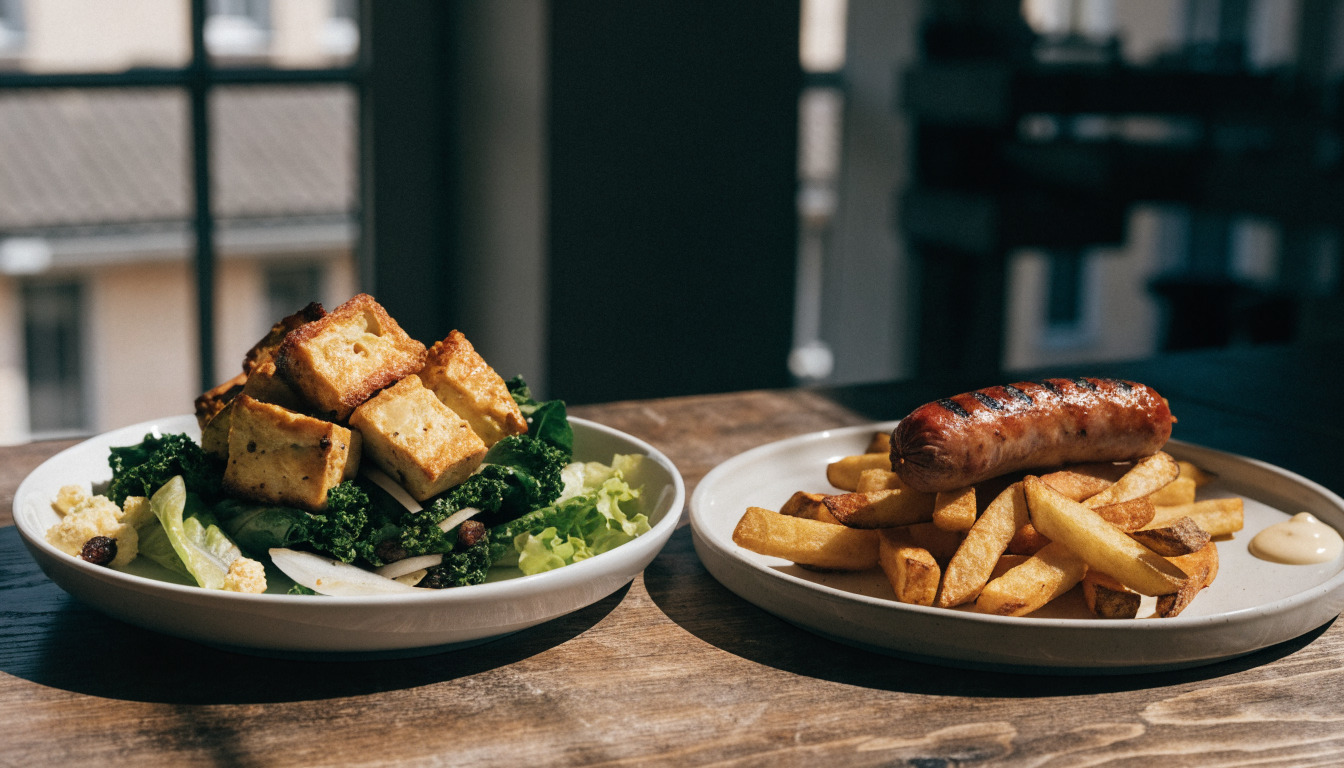
Tofu’s biggest effect on inflammation often comes from what it pushes off the plate. Swap red or processed meat for tofu, and you cut saturated fat while adding a minimally processed plant protein.
Harvard Health Publishing lists red meat and processed meat, such as hot dogs and sausage, among the foods linked to more inflammation.
The 2025-2030 Dietary Guidelines for Americans count soy among plant protein sources and favor baked, grilled, and stir-fried foods over deep-fried ones.
Compare two dinners: in one, tofu replaces the sausage, and in the other, tofu joins the sausage on the plate.
The first changes your diet, while the second only adds to it, so the shift is much smaller.
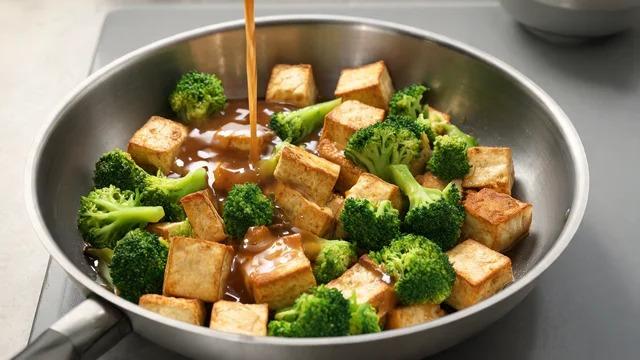
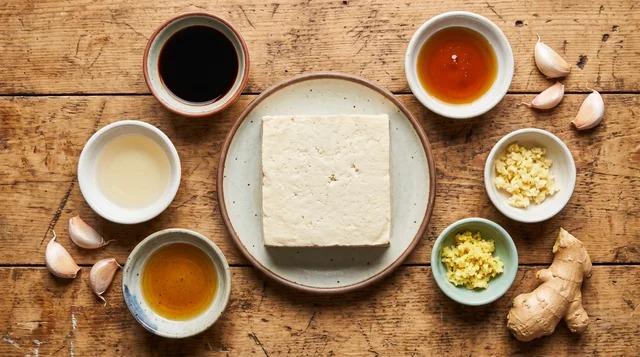
Flavor doesn’t have to come from bottled glazes, either. A homemade tofu marinade formula seasons the block with a measured amount of soy sauce and maple syrup, and a broccoli and tofu stir fry covers the takeout craving with a fraction of the oil.
When Can Tofu Cause Inflammation?
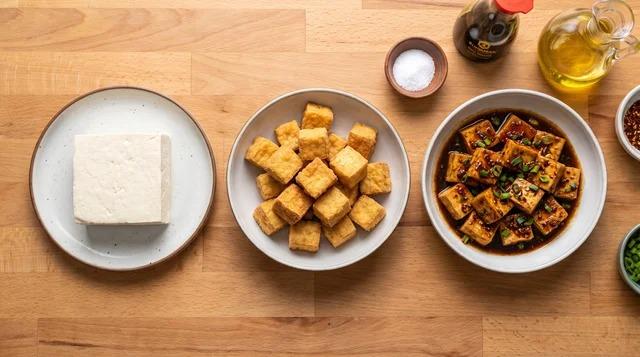
Tofu itself is rarely the problem. Soy allergy and heavy processing are the two main exceptions, with soy sauce worth a separate look.
Soy Allergy and Intolerance
A soy allergy means the immune system overreacts to soy protein, which can trigger hives, swelling, digestive symptoms, or a severe reaction.
An intolerance involves digestion rather than the immune system, but it can still leave you bloated or uncomfortable.
If tofu regularly leaves you feeling unwell, stop eating it and talk to your doctor. This is one case where “generally safe” doesn’t apply to you.
Heavily Processed and Fried Tofu
A plain block has soybeans, water, and a coagulant, while a fried, battered, or pre-glazed product adds oil, refined flour, salt, and sugar.
Harvard Health lists fried foods and sugary drinks among the foods linked to more inflammation, and the tofu only carries those extras.
Take two takeout orders: steamed tofu with vegetables and deep-fried tofu in a sweet, salty glaze. Same soy, very different plate, and the ingredient list on a packaged product tells you which one you’re buying.
Does Soy Cause Inflammation in the Gut?
Bloating or gas after tofu is usually a digestive response to fermentable carbohydrates, not inflammation.
Silken tofu holds more of those carbs than drained firm tofu, so switching to firm tofu often settles the problem.
People with Crohn’s disease or ulcerative colitis respond to foods differently, and some tolerate plain, soft-cooked tofu well during flares while others don’t.
If you live with inflammatory bowel disease, work out your tofu portions with your gastroenterologist or a registered dietitian.
Is Soy Sauce Inflammatory?
Soy sauce carries far fewer isoflavones than tofu, so it doesn’t share tofu’s possible benefits.
The bigger concern is sodium, since regular soy sauce is high in it, and low-sodium versions or a lighter pour keep that in check.
People with celiac disease should also know that most soy sauce is brewed with wheat. Tamari labeled gluten-free is the usual swap.
Tofu, Edamame, and Other Soy Foods
Is edamame anti-inflammatory too? Edamame is whole young soybeans, so it sits in the same “whole soy food” group that showed the larger CRP drop in the Journal of Nutrition analysis, and it adds fiber on top.
Tempeh, unsweetened soy milk, and miso also count as minimally processed soy.
Soy protein isolates, flavored meat substitutes, and isoflavone pills have weaker evidence, so whole foods remain the safer choice.
How to Eat Tofu on an Anti-Inflammatory Diet
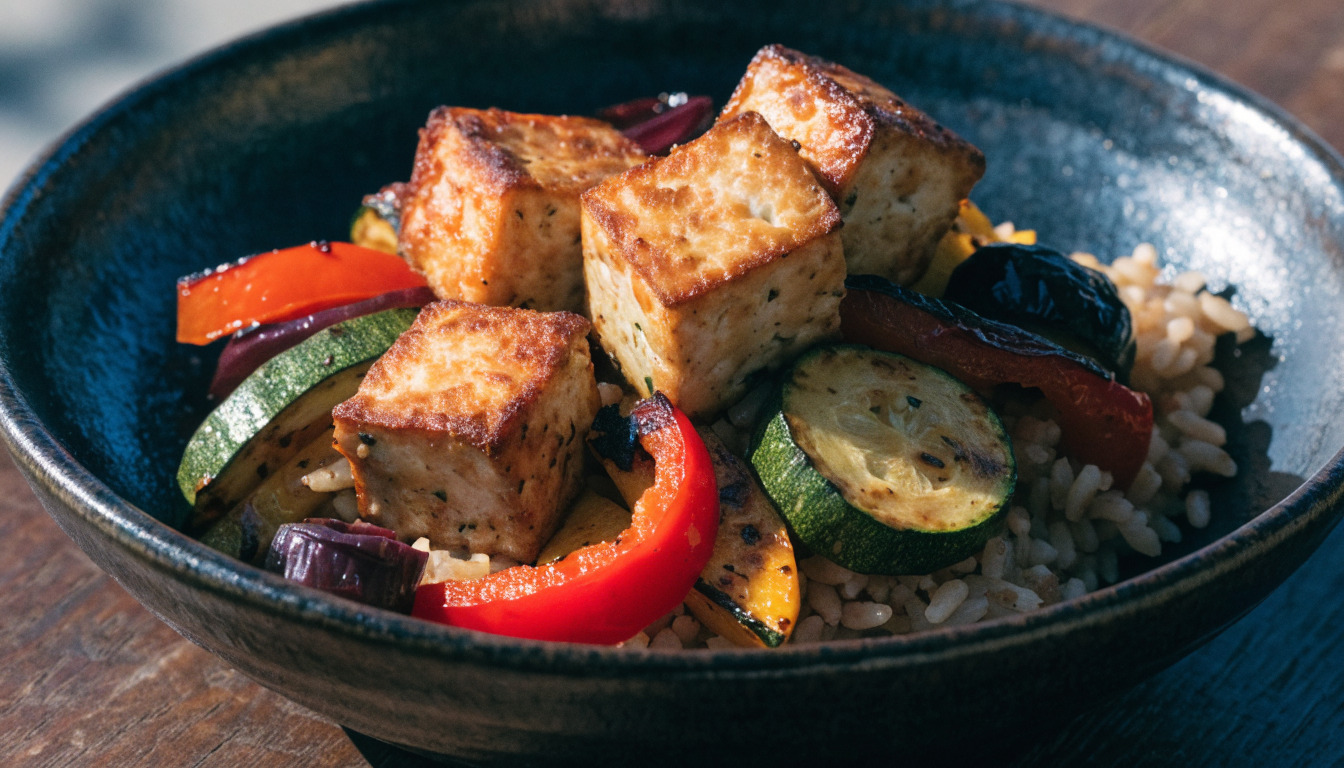
Plain tofu, baked or stir-fried and paired with vegetables, fits an anti-inflammatory eating pattern. Preparation decides the rest, because a baked cube and a deep-fried cube end up as very different meals.
Three habits keep a tofu meal on the calmer side:
- Buy plain block tofu instead of battered or pre-glazed versions.
- Bake, steam, or stir-fry it with a small amount of oil instead of deep-frying.
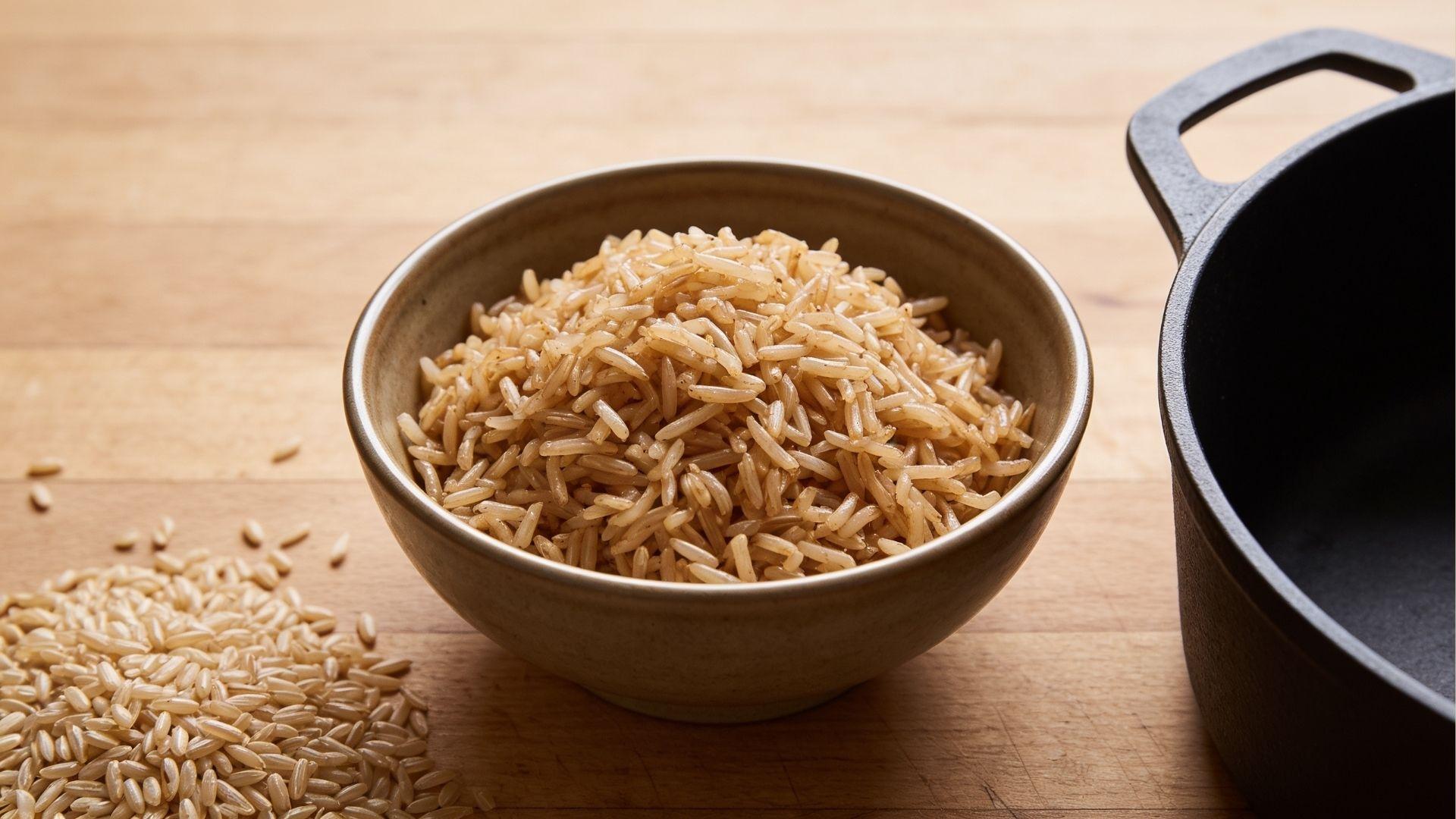
- Fill most of the plate with vegetables and whole grains, and keep salty or sugary sauces light.
Advice on anti-inflammatory eating differs from person to person. If you’re managing an inflammatory condition, check with your doctor or a registered dietitian before making major changes to your diet.
Plain Tofu Fits, and the Plate Decides
Is tofu inflammatory? For anyone without a soy allergy, no, and the research on whole soy foods leans neutral to slightly helpful.
The bigger lesson is that no single food tells the whole story, because what sits around tofu and what it replaces does most of the work.
You don’t need to fear a plain block of tofu. Pick one meat-heavy dinner this week, swap in baked or stir-fried tofu with vegetables, and keep the sauce light.
Frequently Asked Questions
What Is the #1 Most Anti-Inflammatory Food?
No single food holds that title. Harvard Health highlights tomatoes, olive oil, leafy greens, nuts, fatty fish, and fruits like berries and oranges, and the eating pattern matters more than any one item.
Is Soy a Highly Inflammatory Food?
No. Soy is absent from Harvard Health’s list of inflammation-linked foods, and a 2021 British Journal of Nutrition meta-analysis found high-dose isoflavones lowered the marker TNF-α in people with existing health conditions.
What Are the 5 Worst Foods That Trigger Inflammation?
Harvard Health names refined carbohydrates, fried foods, sugar-sweetened drinks, red and processed meats, and margarine, shortening, or lard. Limiting these matters more than adding any single anti-inflammatory food.
Is There a Downside to Eating Tofu?
Soy allergy is the main one. Soy can also reduce absorption of the thyroid medication levothyroxine, so Mayo Clinic advises taking it at least an hour before eating soy foods.