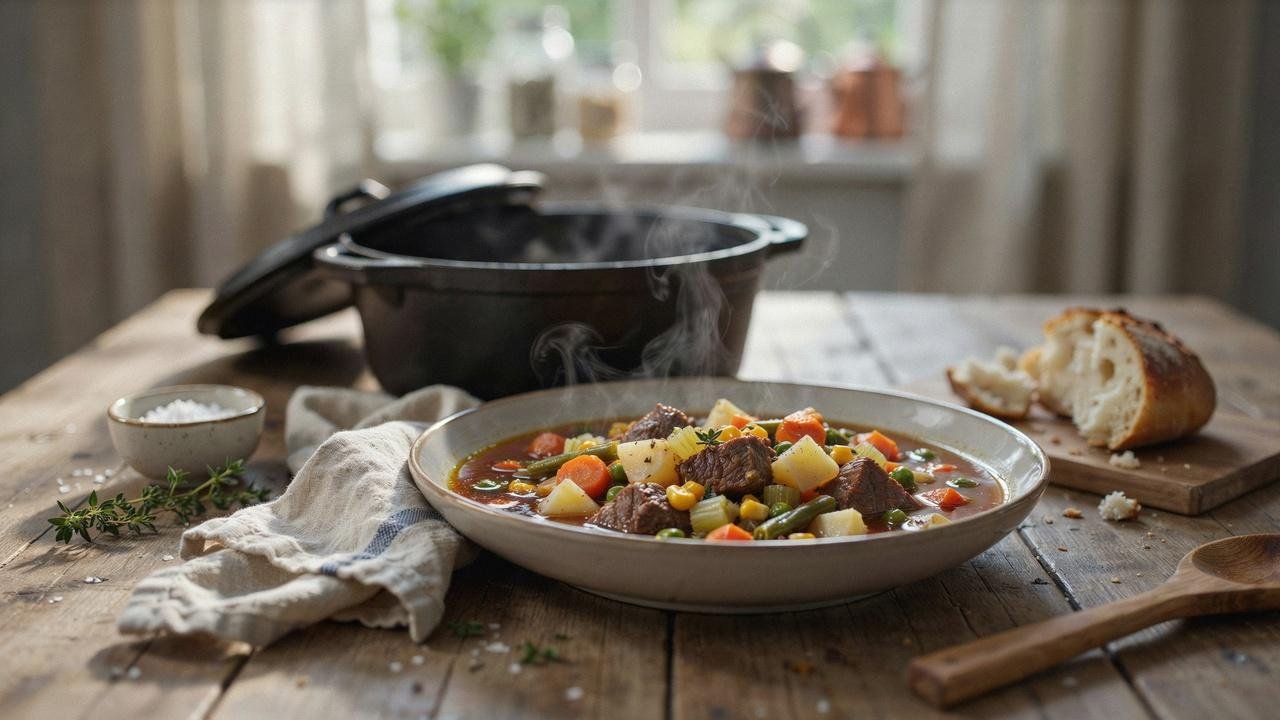
There is nothing quite like a bowl of old fashioned vegetable beef soup on a cold day. It is warm, filling, and reminds a lot of people of home.
But getting the beef tender and the vegetables just right can be tricky if you do not know a few simple tricks. In this guide, I will walk you through everything you need.
You will learn the best ingredients to use, step by step cooking instructions, and a few tasty variations to try. I will also cover storage tips, common mistakes, and answers to the questions people ask most.
I have made this soup more times than I can count, tweaking it until it turned out just right. By the end, you will have a recipe that works every single time.
Why You'll Love This Vegetable Beef Soup Recipe
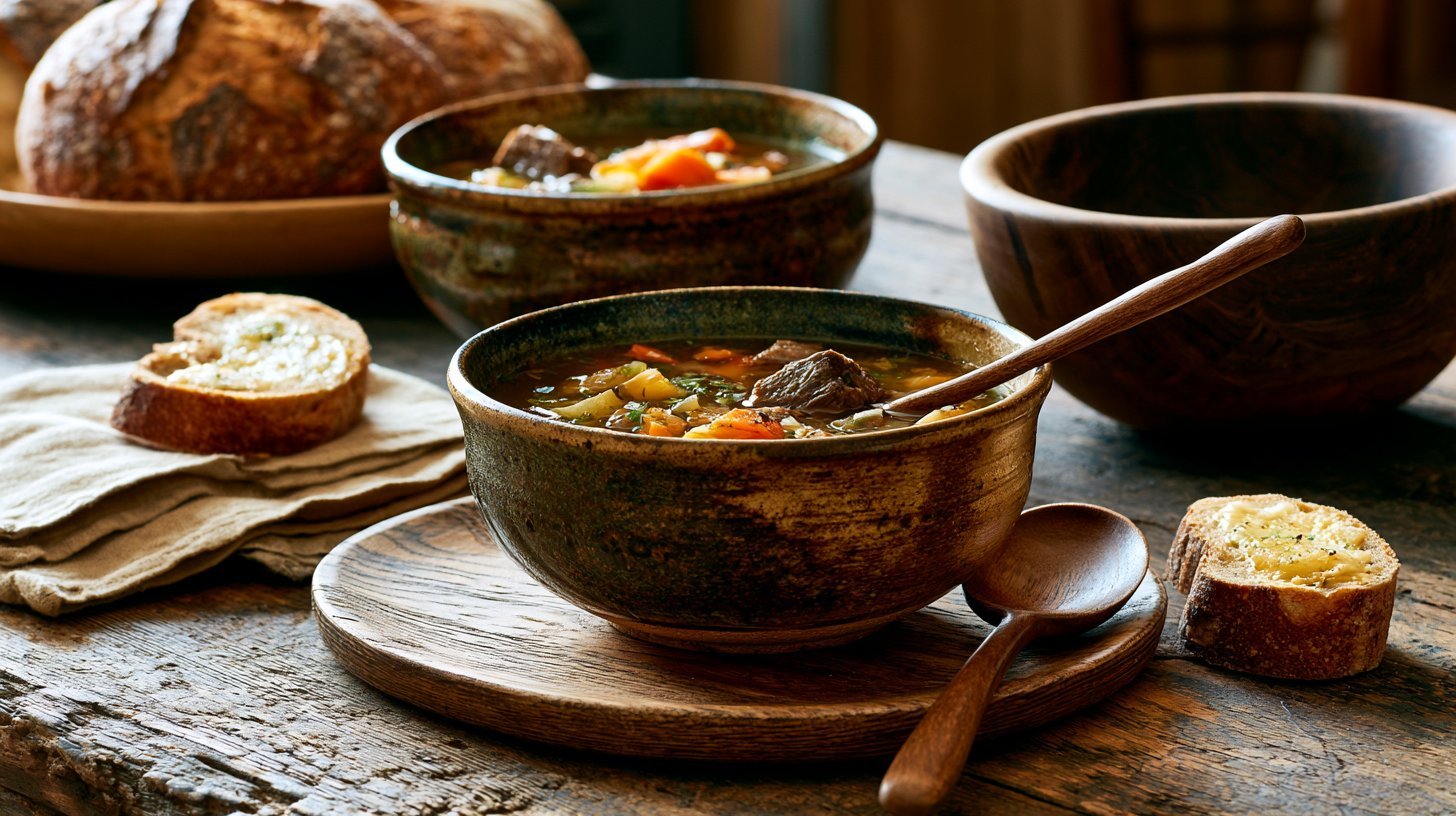
This soup feels like a home-cooked meal from years ago. Beef, carrots, potatoes, celery, and tomatoes simmer together in a savory broth. It smells great while cooking and tastes even better the next day.
You likely have most of the ingredients on hand already. It's simple to make but still gives that classic homemade flavor. It also freezes well, so you can save leftovers for later.
Whether it's a cold night or a busy weekday, this soup fits right in. It's hearty, easy, and full of good old fashioned taste.
Ingredients You'll Need
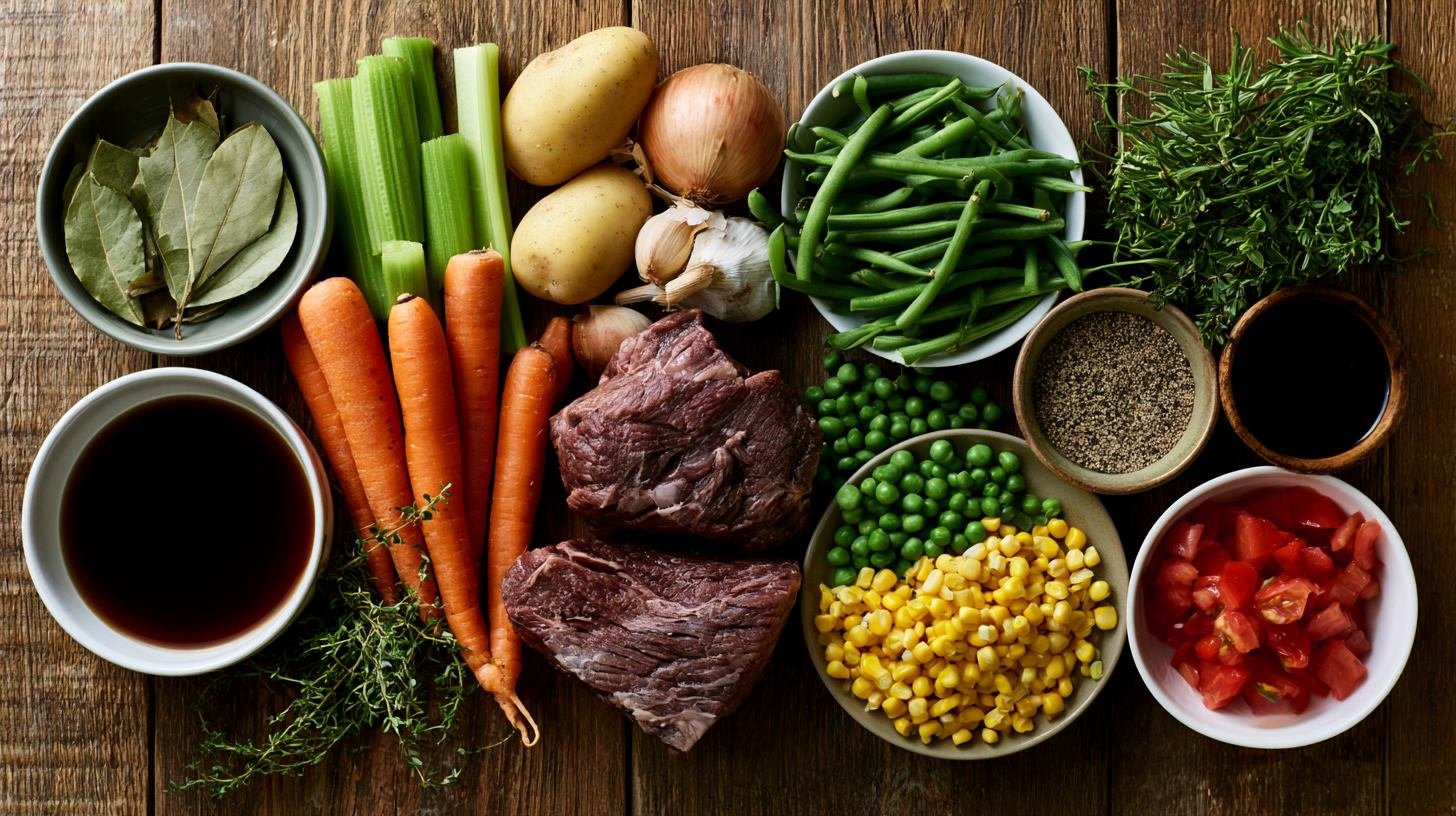
A quick look at the beef, vegetables, broth, and seasonings that build the base of this classic soup.
Good soup starts with good ingredients. You do not need anything fancy. Most items are things you already have in your kitchen or can grab at any grocery store.
- Chuck roast works best for this soup since it turns tender after a long simmer, while lean cuts can end up dry.
- Carrots, celery, potatoes, and green beans are classic vegetable choices for this soup.
- Fresh vegetables give the best texture, but frozen ones like corn and peas work fine too and save time.
- Beef broth forms the base, while diced tomatoes add a bit of tang and body.
- Bay leaves, thyme, garlic, and black pepper round out the flavor without overpowering the dish.
A splash of Worcestershire sauce, a parmesan rind, or a bit of tomato paste can add extra depth and richness.
How to Make Vegetable Beef Soup from Scratch
A simple step by step guide covering browning the beef, building the broth, and simmering everything to perfection.
Making this soup is not complicated. It just takes a bit of time and patience. Most of that time is hands off, so you can get other things done around the kitchen.
Step 1: Brown the Beef
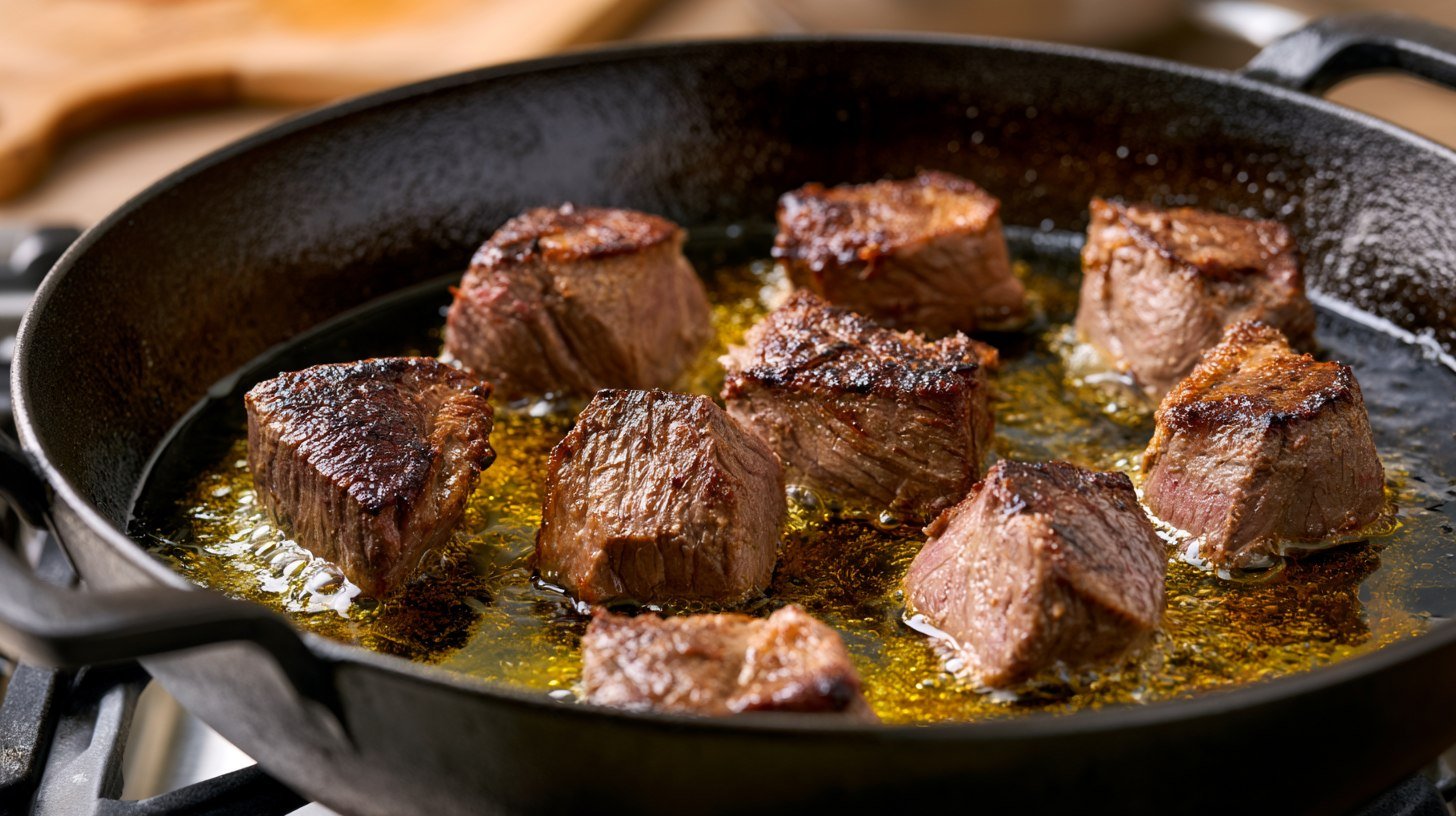
Cut the beef into bite sized cubes and pat it dry with a paper towel so it browns instead of steams.
Brown it in batches in a hot pot with a little oil, giving each piece enough room to get a good sear. This step builds a deep flavor base for the broth, so do not skip it.
Step 2: Cook the Onions and Aromatics
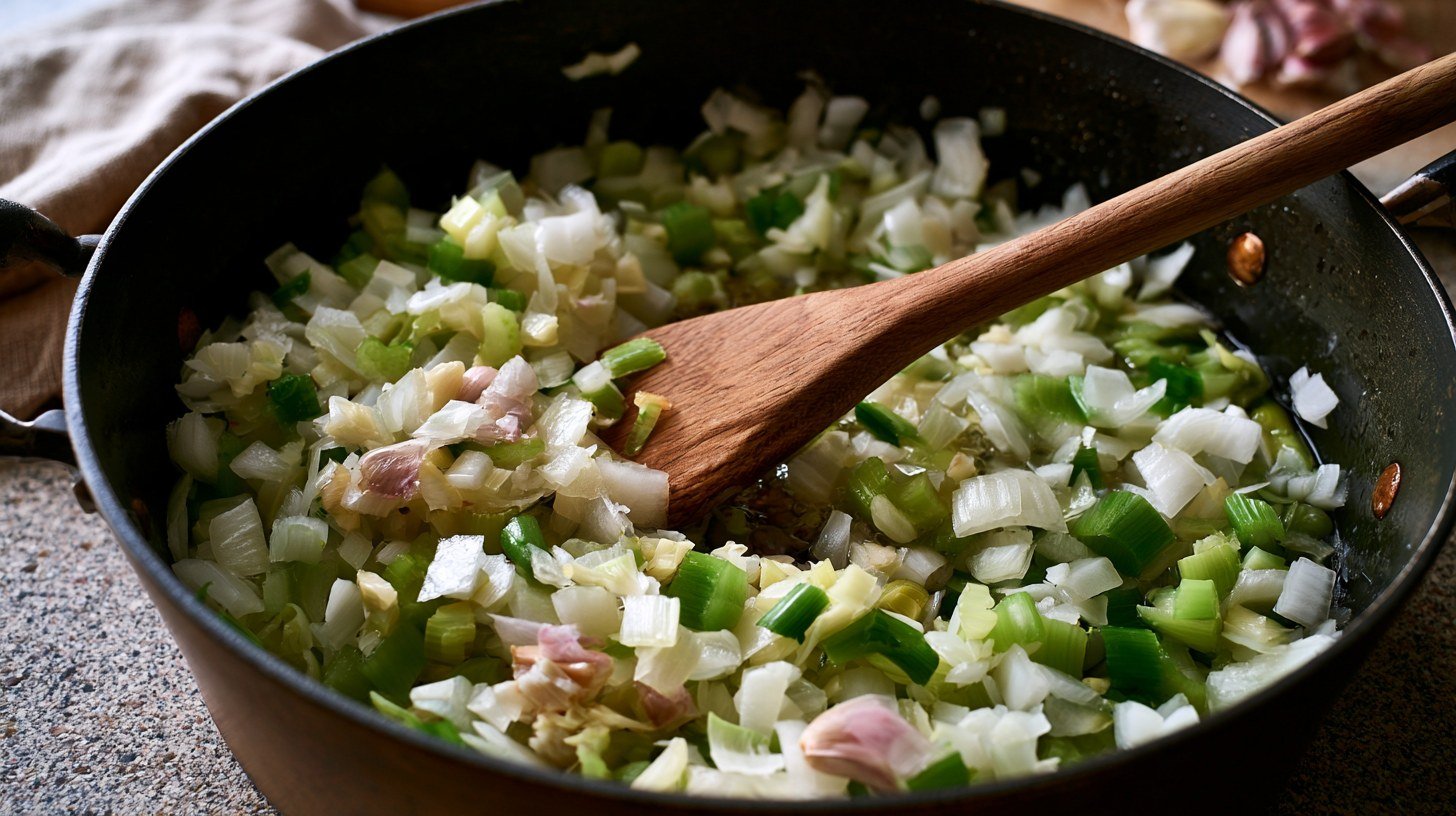
Once the beef is browned, set it aside on a plate. Add chopped onions, garlic, and celery to the same pot and cook until soft and fragrant, stirring often so nothing sticks or burns.
This picks up all the browned bits stuck to the bottom of the pot, which adds a ton of flavor to the finished broth.
Step 3: Add the Broth, Tomatoes, and Vegetables
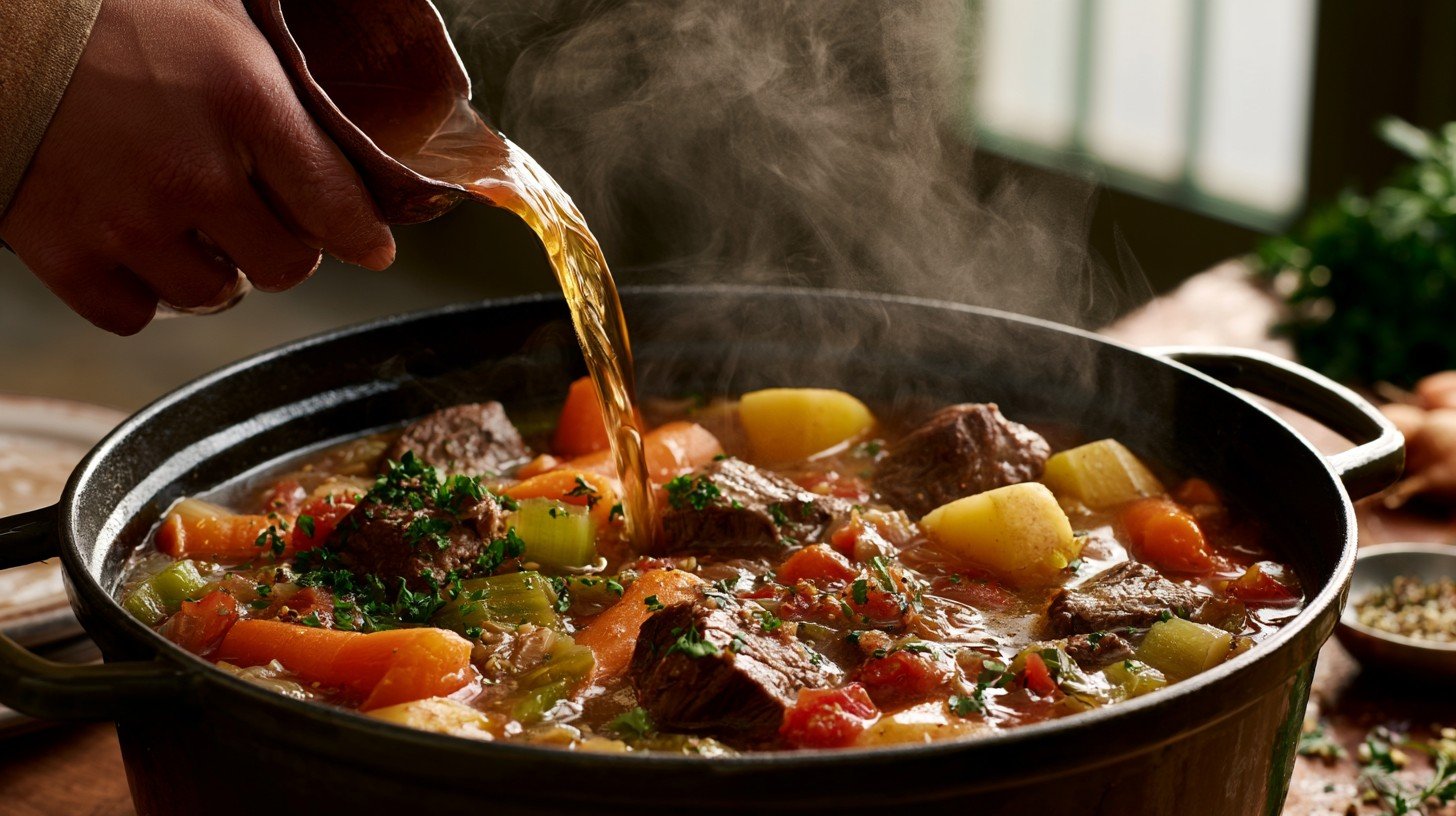
Return the beef to the pot along with any juices that collected on the plate. Pour in the broth and diced tomatoes, then add carrots and potatoes at this stage since they take longer to cook than the rest of the vegetables.
Stir in the seasonings and bring everything to a gentle boil before turning the heat down.
Step 4: Simmer Until the Beef is Tender
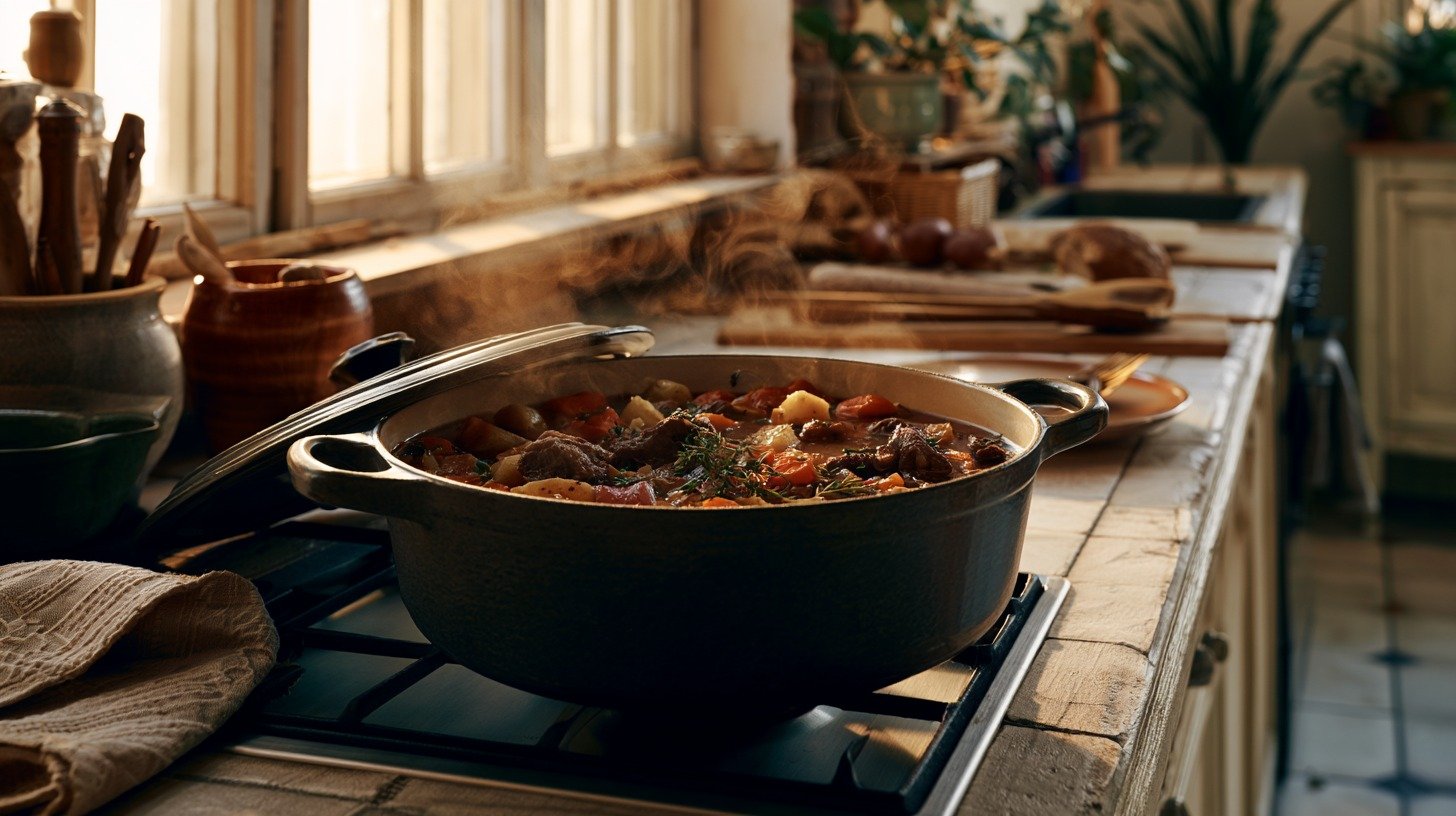
Lower the heat and let the soup simmer with the lid slightly cracked so steam can escape. This can take one and a half to two hours, depending on how big your beef cubes are.
Check the beef occasionally, and it is ready when it pulls apart easily with a fork instead of feeling tough or chewy.
Step 5: Taste, Adjust Seasoning, and Serve
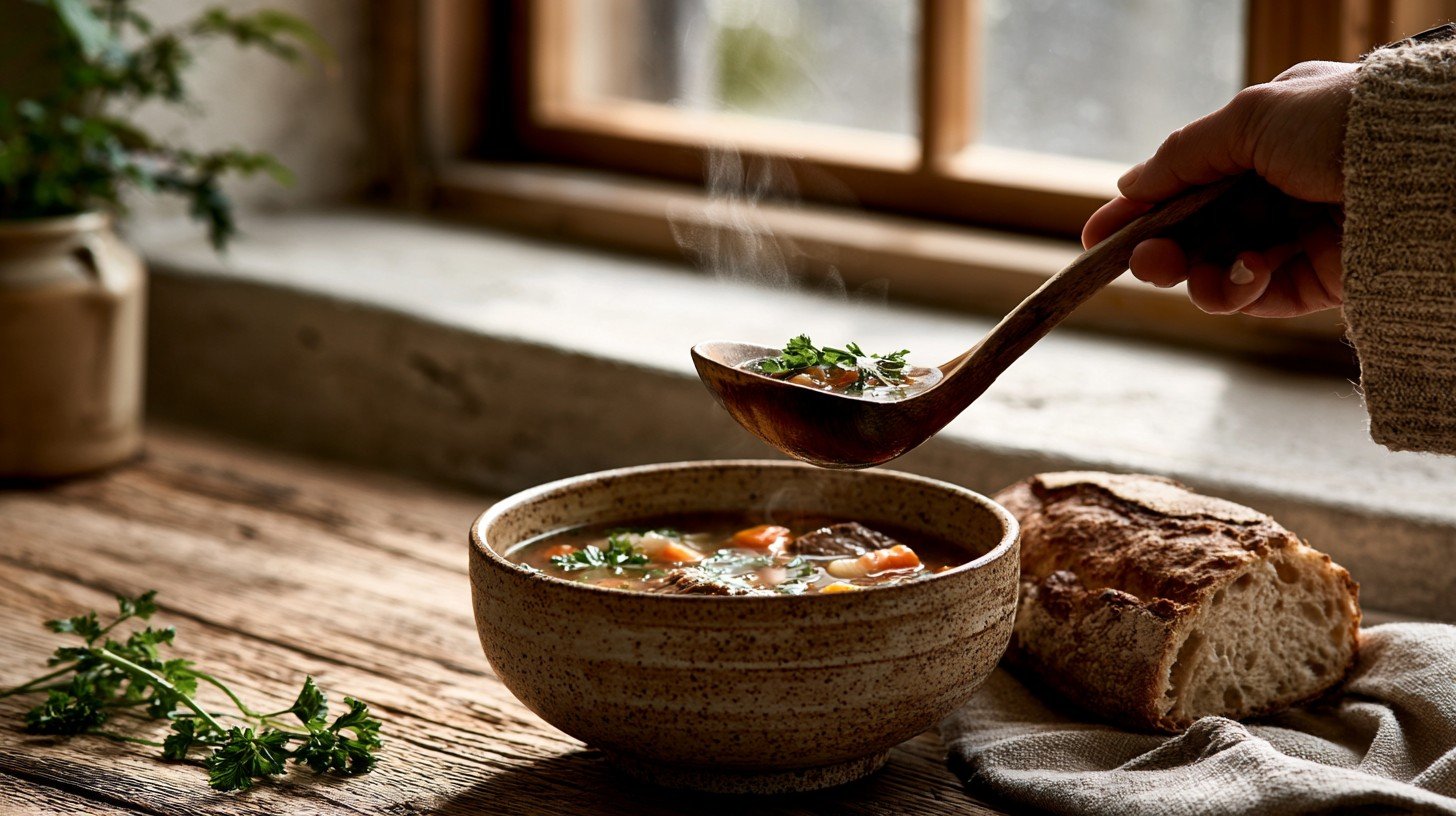
Once the beef is tender, taste the broth before you do anything else and add more salt or pepper if needed.
Stir in quick cooking vegetables like peas or green beans near the end so they keep their color and texture. Ladle it into bowls and serve hot.
Variations to Try
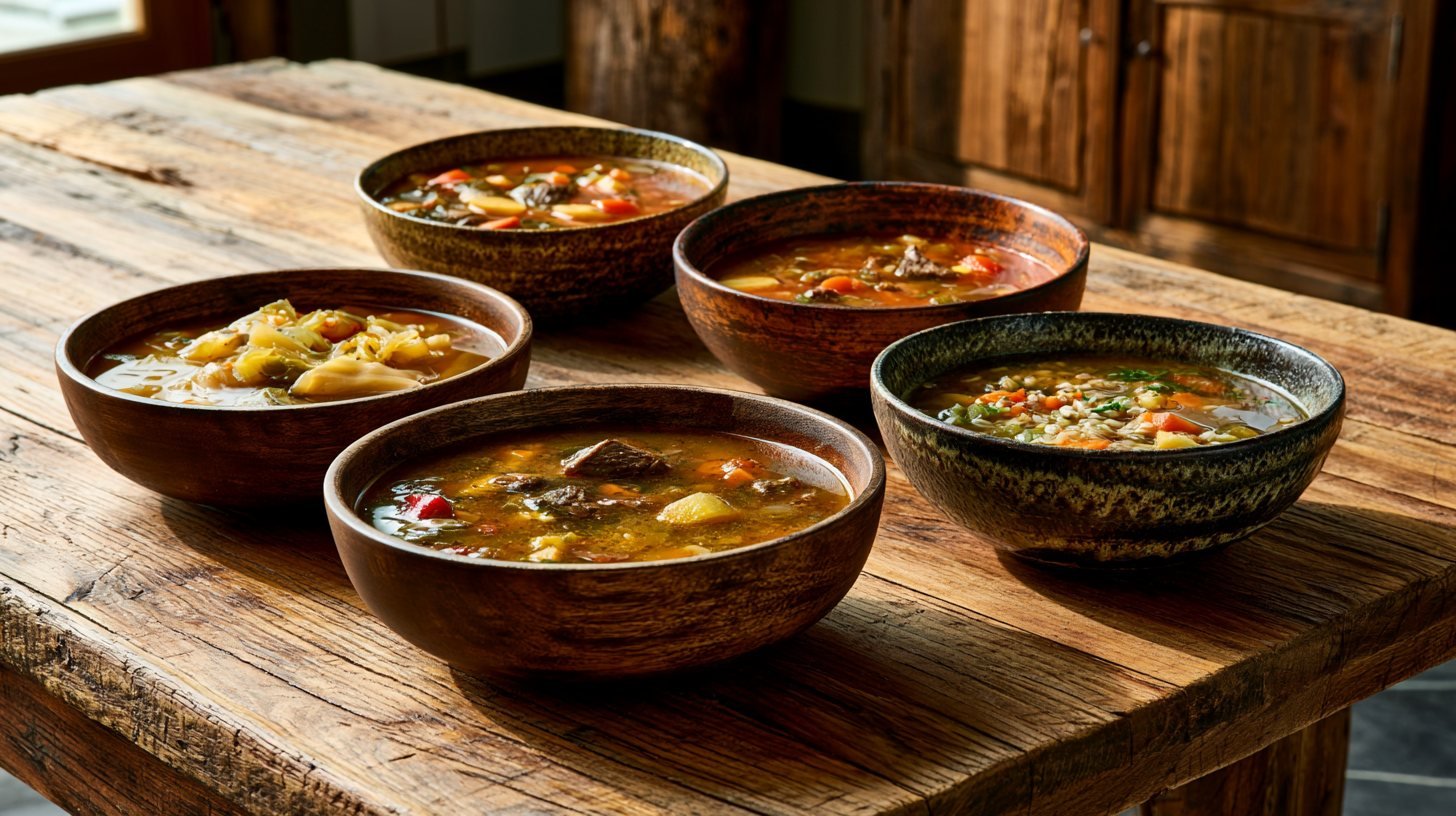
Different ways to switch up this soup, from cabbage and a slow cooker method to heartier grain based versions.
This recipe is flexible. You can adjust it based on what you have on hand or what you are craving that day. None of these changes need special equipment or hard to find ingredients.
Old Fashioned Vegetable Beef Soup Recipe with Cabbage
Add chopped cabbage during the last thirty minutes of cooking so it has time to soften without turning to mush. It adds a slightly sweet flavor that pairs nicely with the savory broth.
Cabbage also bulks up the soup without adding many calories.
Old Fashioned Vegetable Beef Soup Recipe Without Tomatoes
Some people prefer a soup without tomatoes, and that is an easy swap to make. Simply skip them and use extra broth instead to keep the liquid level the same.
The soup will taste milder but still full of savory flavor from the beef and vegetables.
Old Fashioned Vegetable Beef Soup Recipe Crock Pot
Brown the beef first on the stove, since a slow cooker will not give you that same deep sear.
Transfer everything, including the onions and garlic, to the slow cooker along with the broth and vegetables. Cook on low for seven to eight hours or on high for four to five hours.
Ground Beef Version
Ground beef makes a quicker version of this soup for nights when you are short on time. Brown it in the pot, drain the extra fat, and add it along with the vegetables and broth just like you would with cubed beef.
It cooks faster since there is no need to tenderize tough cuts of meat over a long simmer.
Add Barley, Rice, or Pasta for a Heartier Soup
Barley, rice, or small pasta shapes turn this soup into a heartier meal that can stand on its own for dinner.
Add them during the last twenty to thirty minutes of cooking so they do not turn too soft or soak up all the broth. This is a good way to stretch the soup further if you are feeding a bigger group.
What to Serve with Vegetable Beef Soup
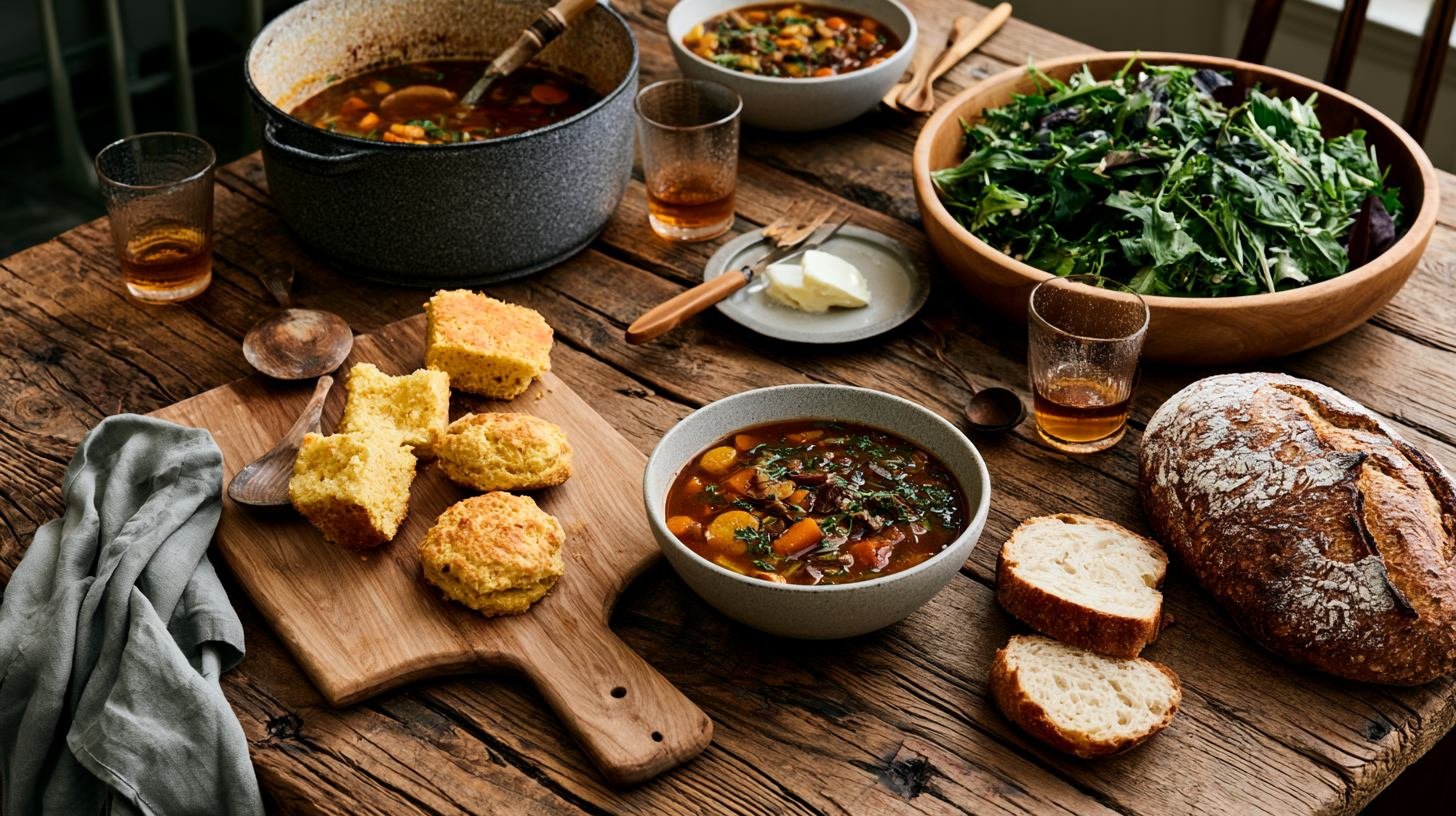
Simple side dish ideas like cornbread, bread, biscuits, and salad that pair well with this hearty soup.
A good side dish can round out this meal and turn a simple bowl of soup into a full dinner. Here are a few pairings I come back to again and again.
Cornbread
Warm cornbread with a bit of butter is a classic pairing for a bowl of this soup. Its slight sweetness balances the savory broth and gives you something to dip.
A cast iron skillet cornbread with crisp edges works especially well alongside a warm bowl.
Crusty Bread or Dinner Rolls
Bread is perfect for soaking up the last bit of broth in your bowl once the vegetables and beef are gone.
Choose a crusty loaf or soft dinner rolls based on your preference and how much time you have. Either one turns a simple bowl of soup into a full meal.
Buttermilk Biscuits
Flaky buttermilk biscuits add a comforting touch that feels just as homemade as the soup itself.
They work well split open and dipped straight into the broth, soaking up flavor with every bite. A warm biscuit fresh out of the oven is hard to beat on a cold night.
Fresh Green Salad
A simple green salad with a light vinaigrette adds crunch and freshness to balance out this rich soup. Try mixed greens, a few thin slices of red onion, and a simple oil and vinegar dressing.
Common Mistakes to Avoid
Key errors to watch out for, like skipping the browning step or adding vegetables at the wrong time.
A few small mistakes can affect the final taste and texture of your soup.
- Skipping the browning step means missing out on flavor that a long simmer cannot fully replace.
- Adding all the vegetables at the start can leave them mushy by the time the beef is tender.
- Not tasting the broth as you go can leave the soup under seasoned even after a long simmer.
- Using a lean cut of beef instead of a fattier one can leave the meat dry after two hours of cooking.
- Adding frozen vegetables too early can turn them soft and watery instead of keeping their bite.
Stir frozen vegetables in during the final few minutes of cooking to keep them from turning mushy.
How to Store, Freeze, and Reheat
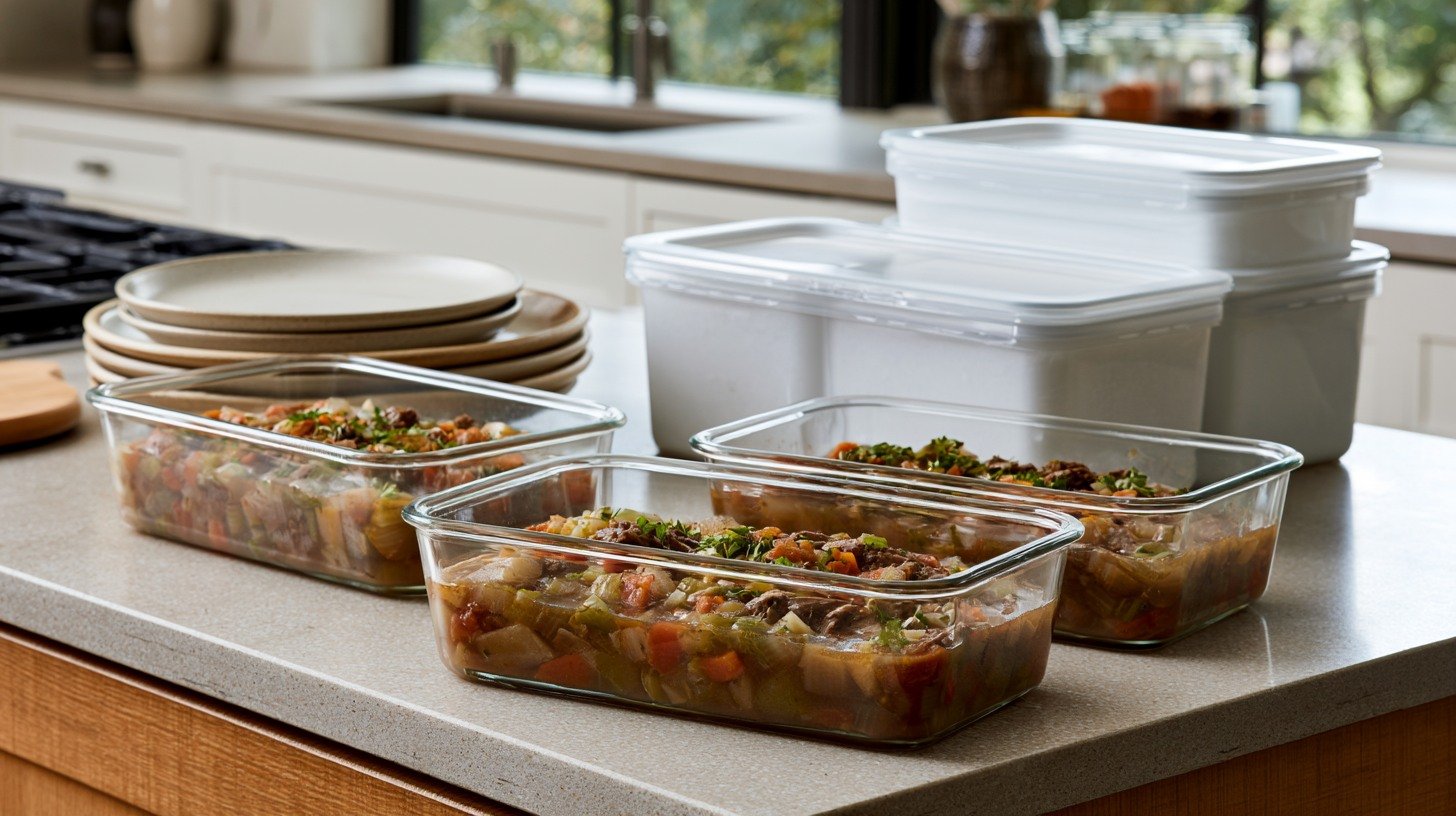
Practical tips for keeping leftover soup fresh in the fridge, freezer, and reheating it later. This soup keeps well, which makes it a solid meal prep option for a busy week.
Refrigerator Storage
Store leftover soup in an airtight container in the fridge as soon as it cools to room temperature. It stays fresh for up to four days. Give it a good stir before reheating since it may separate a bit while sitting.
Freezing for Later Meals
This soup freezes well, though potatoes can turn a bit grainy after thawing. Freeze it in individual portions so a single serving is easy to grab later. It keeps well in the freezer for up to three months.
Reheating on the Stovetop and Microwave
Reheat on the stove over medium heat, stirring occasionally, until hot throughout and the broth is bubbling gently again.
For a quicker option, microwave in short bursts, stirring between each one so it heats evenly instead of staying cold in the middle.
Tips for the Best Old Fashioned Vegetable Beef Soup
Practical advice on choosing beef, building flavor, and improving texture for the best possible bowl of soup. A few small habits can make a big difference in the final result.
- Cut the beef into even sized cubes so every piece cooks at the same rate.
- Skim excess fat from the top of the broth partway through cooking for a lighter finish.
- A parmesan rind or a splash of Worcestershire sauce can round out the broth if it tastes flat.
- If you like a thicker soup, mash a few potato pieces into the broth, or add more broth or water for a thinner one.
- Let the soup rest for a few minutes off the heat before serving so the flavors settle.
Conclusion
I still remember the first time I made this old fashioned vegetable beef soup on a rainy Sunday, just to see if it would taste like the one my grandmother used to make.
One spoonful in, and it did. That is the beauty of a recipe like this. It is simple, forgiving, and always hits the spot.
Give it a try this week and let it simmer while you go about your day. Then come back and tell me how it turned out in the comments.
If you loved it, share this recipe with someone who needs a cozy dinner idea.
Frequently Asked Questions
Can I use a different cut of beef for this soup?
Chuck roast is the classic choice since it turns tender during a long simmer, but short ribs or a beef brisket point also work well if you want a richer broth. Just look for a cut with good marbling rather than a lean one, since fat keeps the meat from drying out over two hours of cooking.
How long does vegetable beef soup last in the fridge?
This soup keeps for up to four days in the fridge. Let it cool for about thirty minutes on the counter before sealing the container, since trapping too much heat can raise the temperature inside your fridge and affect other food.
Can I freeze vegetable beef soup?
Yes, this soup freezes well for up to three months. For the best texture later, thaw it in the fridge overnight instead of on the counter, and give it a stir once it is warmed through since the broth and vegetables can separate slightly during freezing.
Do I have to brown the beef before adding it to the pot?
Browning is not required, but it triggers a reaction on the surface of the meat that plain simmering cannot recreate, which is why it adds so much flavor. If you are short on time, a hot broiler for a few minutes works as a quick substitute for stovetop browning.
What can I add to make this soup heartier?
Barley, rice, or small pasta shapes all work well stirred in near the end of cooking. If you want to keep the broth clear, cook the grain or pasta separately and add it to each bowl instead of the whole pot, since starch from grains can cloud the broth over time.