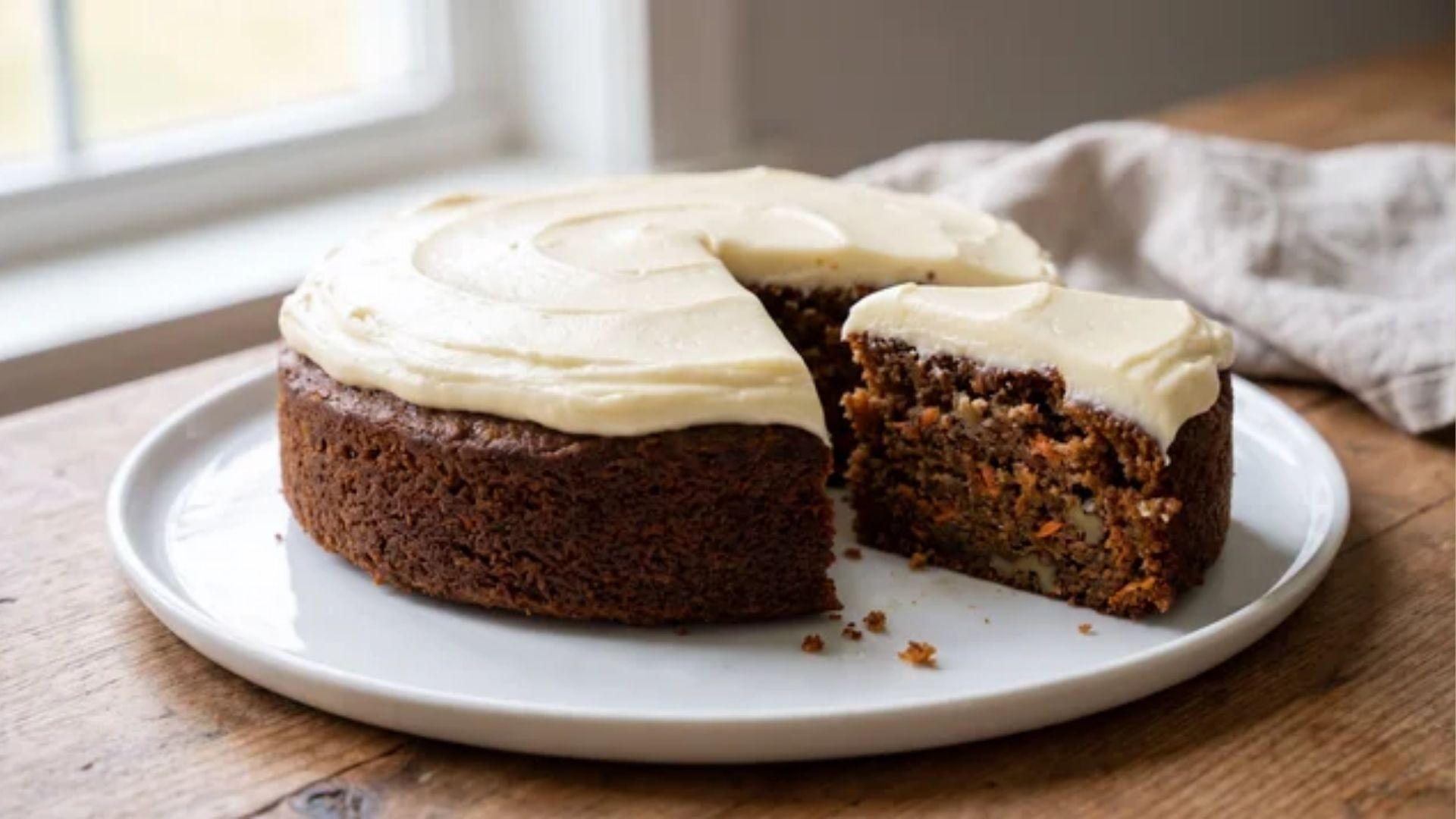
I used to bake full-size carrot cakes for two people, and by day three I was staring at a dry, sad half cake.
So I started testing a small carrot cake recipe. My first attempt, simply halving everything, came out dense and dry.
A small carrot cake recipe fixes that by baking one 6-inch cake for 2 to 4 people, with the same cinnamon, soft crumb, and tangy cream cheese frosting.
I learned that while testing this one: my first batch, a full recipe halved neatly, came out tight and dry at the edges.
Nine-plus years of baking, and more test batches than I can count, told me the fix was to rebuild the ratios for a 6-inch pan, not shrink them.
Read on for those ratios, nine clear steps, a pineapple twist, a muffin version, and the five mistakes that dry out small cakes fastest, all tested to come out right the first time.
What Makes a Small Carrot Cake Different?
A small carrot cake is a full carrot cake scaled to one 6-inch pan or a few muffin cups, so a small household can finish it while it is still fresh.
It keeps the classic spice, carrot-flecked crumb, and cream cheese frosting, but the batter volume, pan size, and bake time change together, and adjusting one without the others is where most small cakes go wrong.
My Baking and Pastry Arts training taught me to think in ratios rather than cups, and that habit matters most at this size.
When the egg-to-flour ratio and the depth of batter are right, a small cake tastes as rich as a full one, with less waste and less time in the oven.
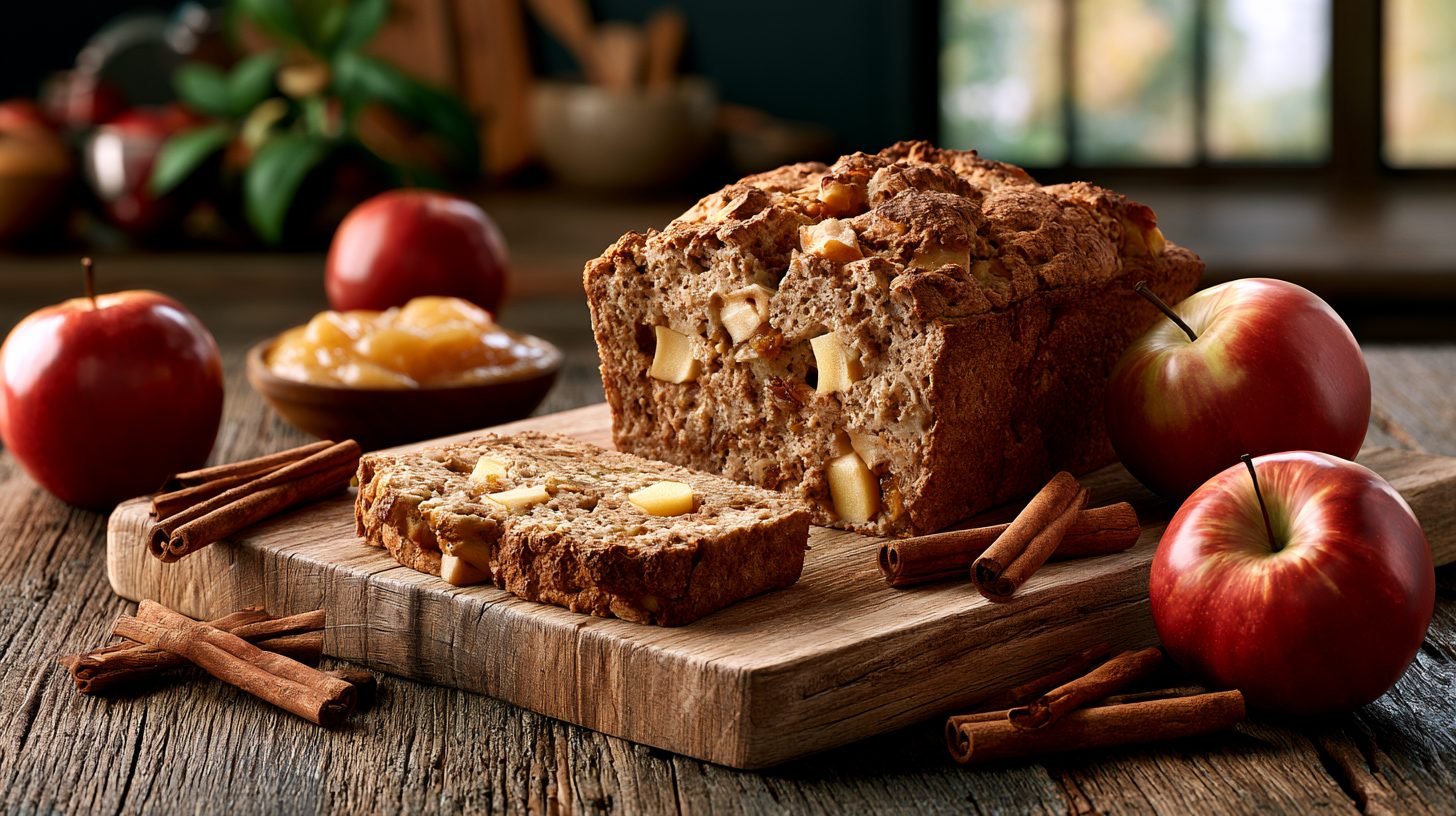
If you enjoy spiced bakes, our healthy apple bread recipe follows the same balance of moisture and spice in loaf form.
Small Carrot Cake Recipe: Ingredients and Pan Size
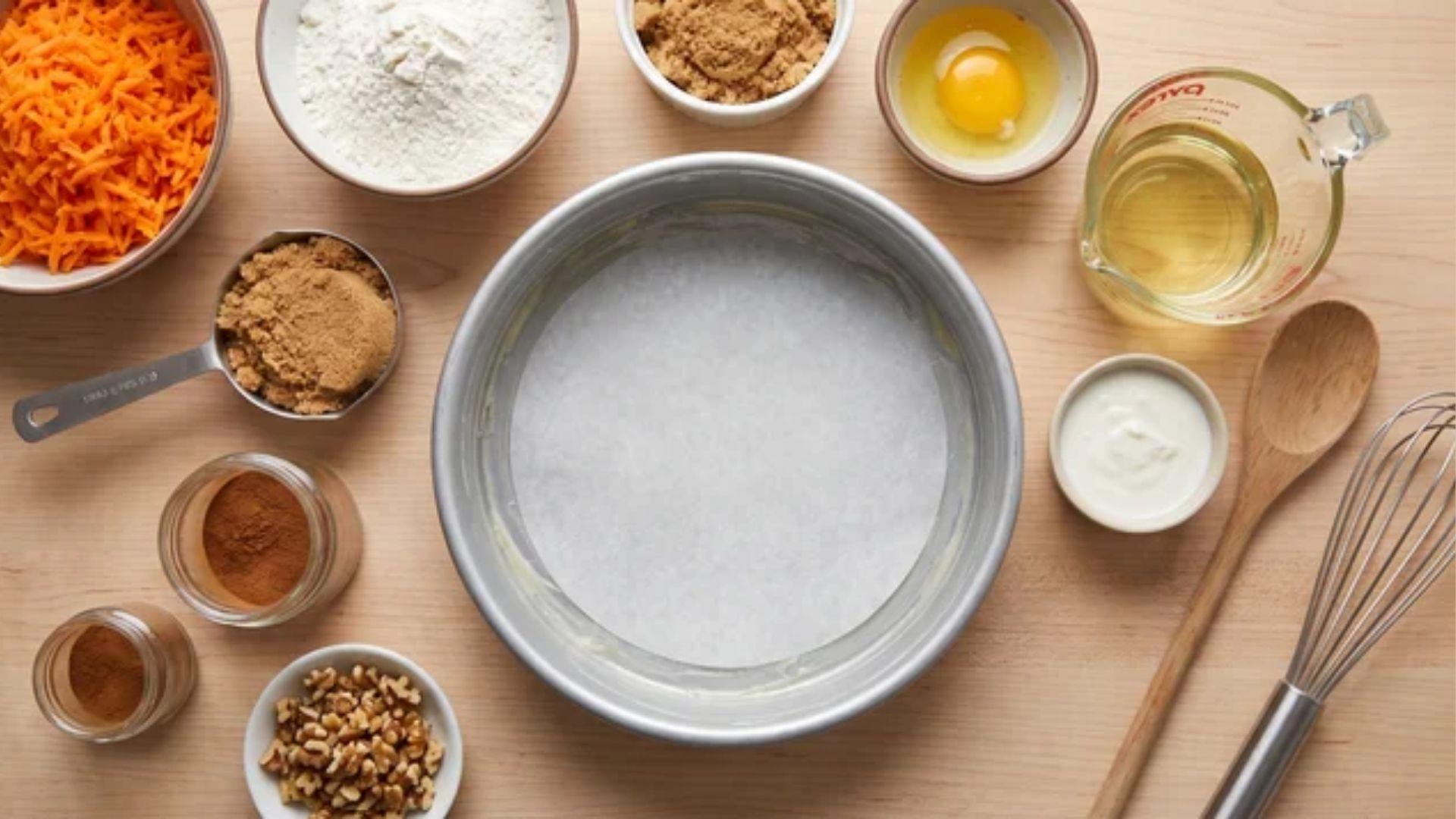
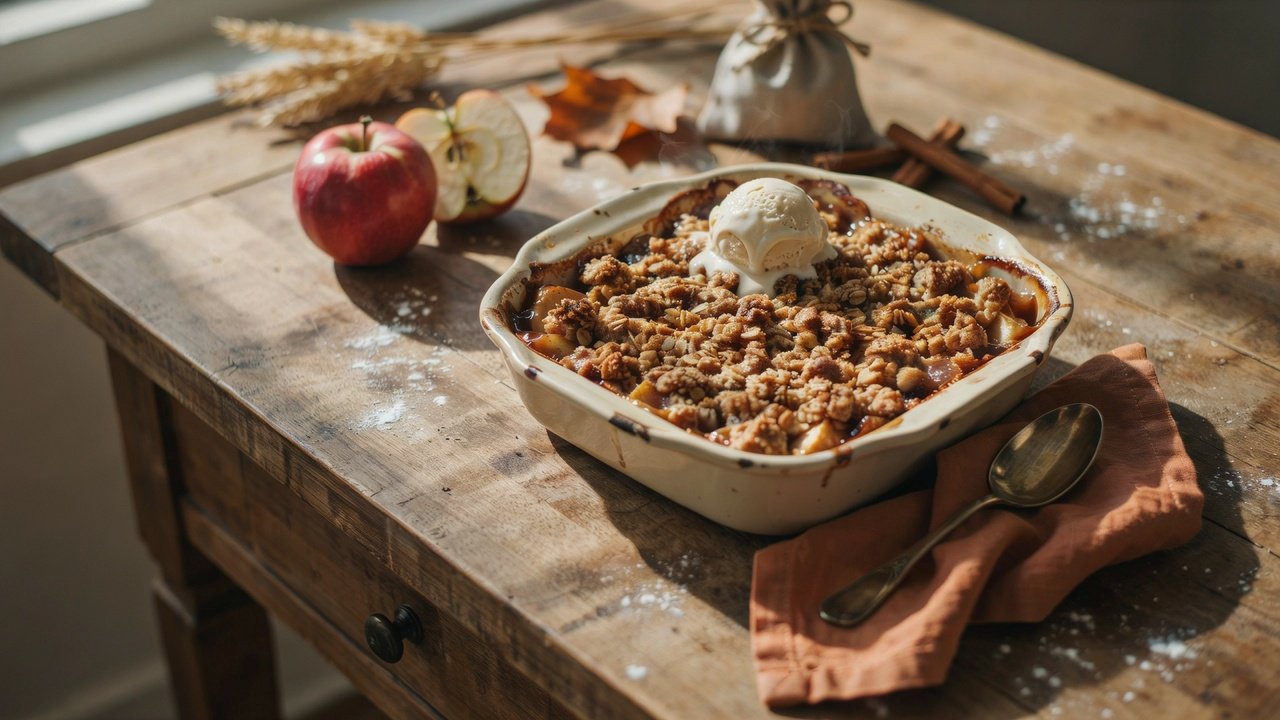
This recipe makes one 6-inch round cake that cuts into 4 slices, so it works as a small carrot cake recipe for 4 or a generous dessert for two.
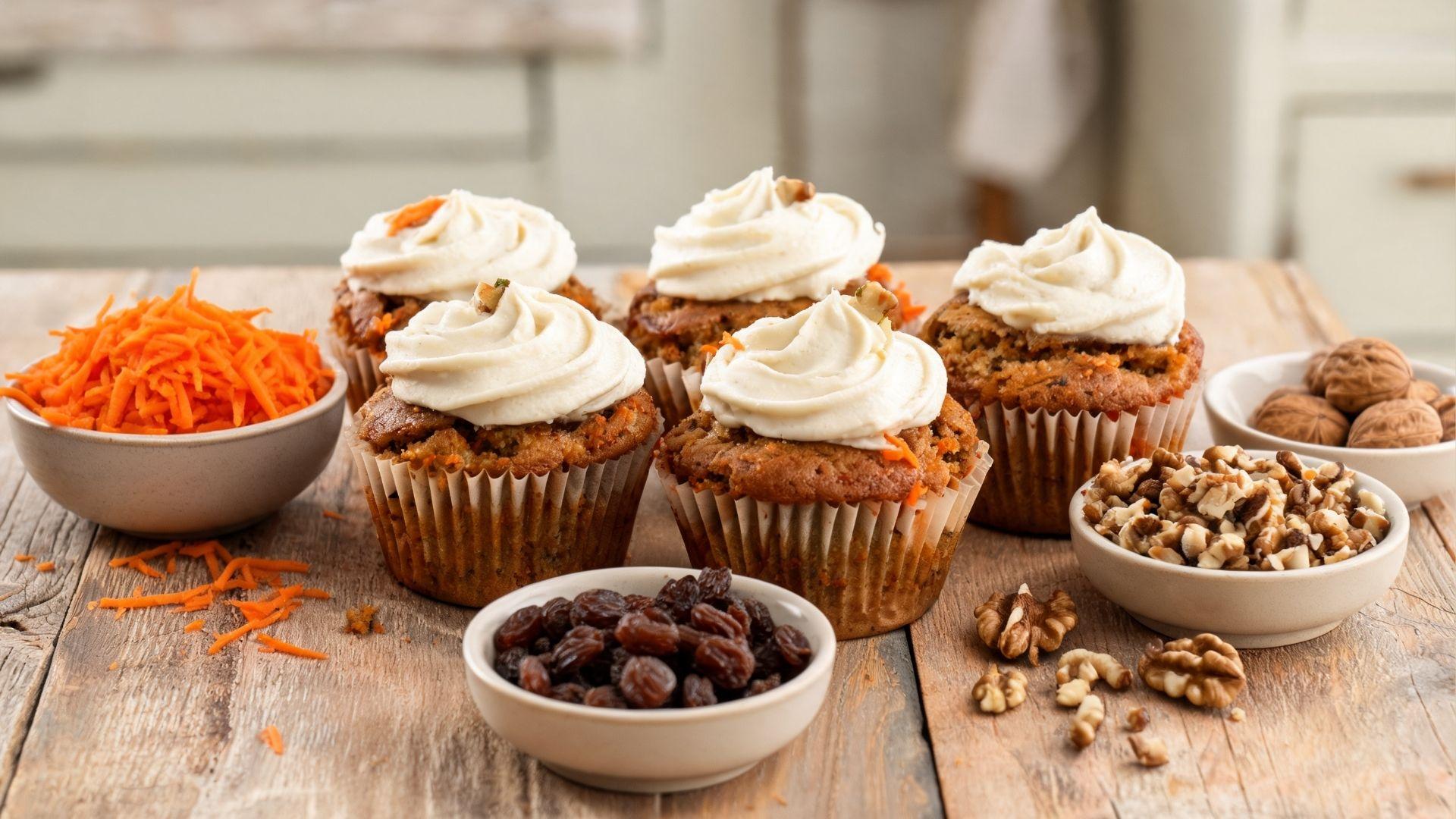
It uses one carrot, one egg, and pantry staples, and the same batter bakes into 5 to 6 muffins if you prefer individual servings.
Ingredients for One 6-Inch Cake
For the cake:
- ¾ cup (95 g) all-purpose flour
- ½ tsp baking powder
- ¼ tsp baking soda
- ½ tsp ground cinnamon
- ¼ tsp salt
- ⅓ cup (70 g) packed brown sugar
- 1 large egg, at room temperature
- ¼ cup (60 ml) neutral oil
- 2 tbsp buttermilk or milk
- ½ cup (55 g) finely grated carrot (about 1 medium carrot)
- ¼ cup (30 g) chopped walnuts (optional)
For the cream cheese frosting:
- 2 oz (57 g) cream cheese, softened
- 2 tbsp (28 g) butter, softened
- ½ cup (60 g) powdered sugar
- ½ tsp vanilla extract
Pan size: Use a 6-inch round pan with 2-inch sides, greased and lined with parchment. This depth keeps the batter thick enough to stay moist and gives four neat slices.
This cake contains wheat, egg, and milk, plus walnuts if you add them, and all four are on the Big 9 food allergens list.
If you are baking for someone with a tree nut allergy, swap the walnuts for toasted pumpkin seeds.
Why Halving a Full Recipe Falls Short
A small batch in a small pan bakes faster and loses moisture sooner, so a straight half recipe often turns out dense and dry.
This version keeps one whole egg for structure and trims the leavening slightly, which gives a tender crumb without the coarse, crumbly texture that extra leavening can cause.
Small Carrot Cake Recipe With Pineapple:
Add 2 tablespoons of well-drained crushed pineapple with the carrots, and cut the buttermilk to 1 tablespoon so the batter doesn’t turn wet.
Pineapple adds sweetness and helps keep the crumb soft, and 2 tablespoons of shredded coconut or raisins can go in at the same time.
The extra moisture can add a few minutes to the bake, so go by the toothpick, not the timer.
Lighter Swaps That Keep the Cake Moist:
Most of my recipes are lighter takes on classic desserts, and this cake already leans that way, with ⅓ cup of brown sugar for four slices and frosting on the top only.
Classic full-size carrot cakes often use about a cup of sugar for every cup of flour, while this batter uses less than half a cup per cup of flour.
For a lighter crumb, replace up to half the oil with unsweetened applesauce, though the cake will taste a little less rich. Melted butter can replace the oil one-for-one if you want a buttery flavor, and none of these swaps change the method.
The same lower-sugar approach runs through our low-sugar apple crisp, which is worth bookmarking if you bake fruit desserts often.
How to Make a Small Carrot Cake, Step by Step
This small carrot cake recipe is easy enough for a weeknight, with about 15 minutes of prep, 25 to 30 minutes in the oven, and about an hour of cooling.
You mix the wet and dry ingredients separately, fold in the carrots, bake at 350°F (175°C), and frost only once the cake is completely cool.
Step 1: Prepare the Pan and Oven
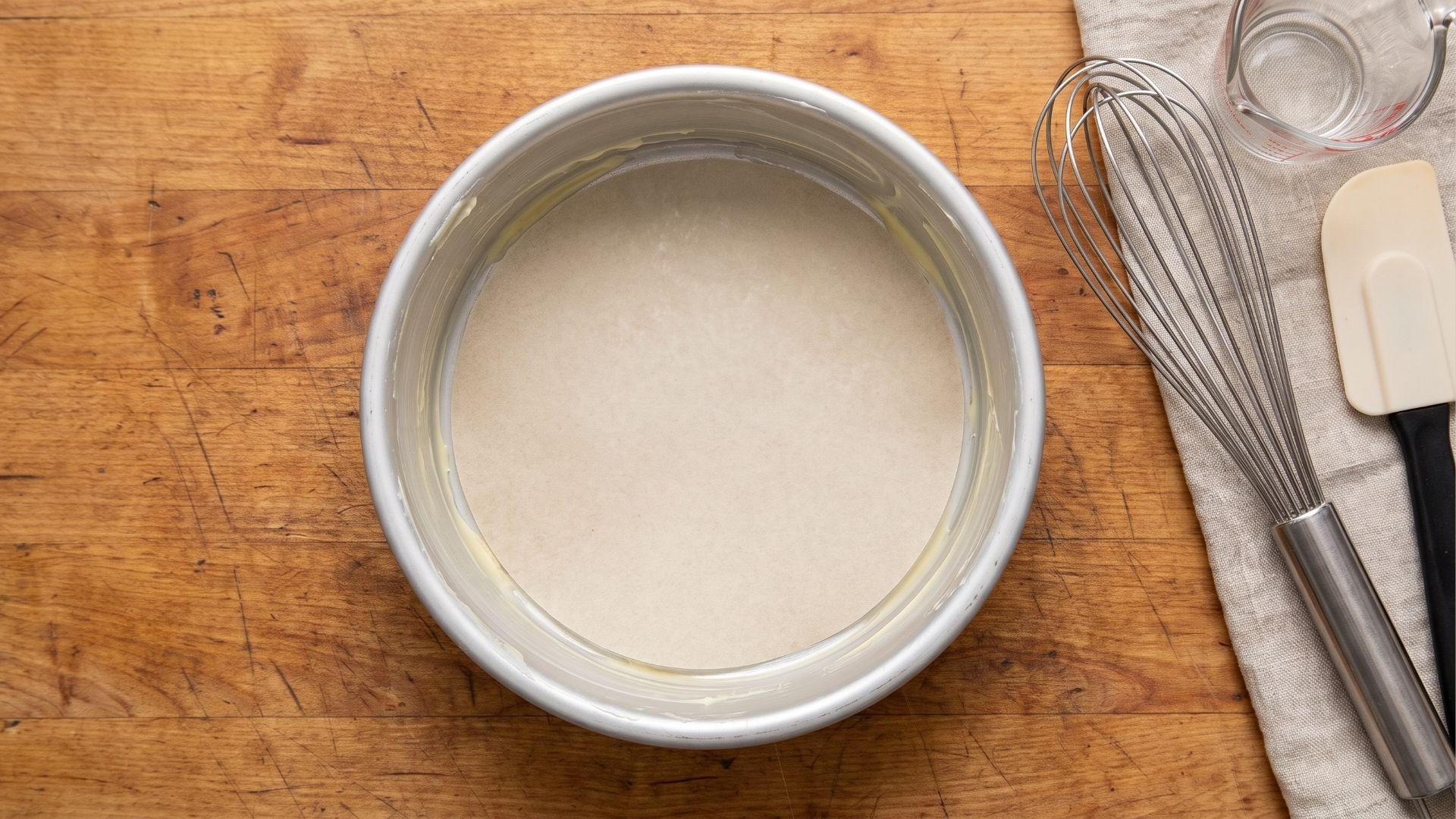
Heat the oven to 350°F (175°C), then grease a 6-inch round pan and line the bottom with parchment so the cake releases cleanly.
Let the oven heat fully before the batter goes in, because a small cake that starts in a cool oven bakes unevenly.
Step 2: Mix the Wet Ingredients
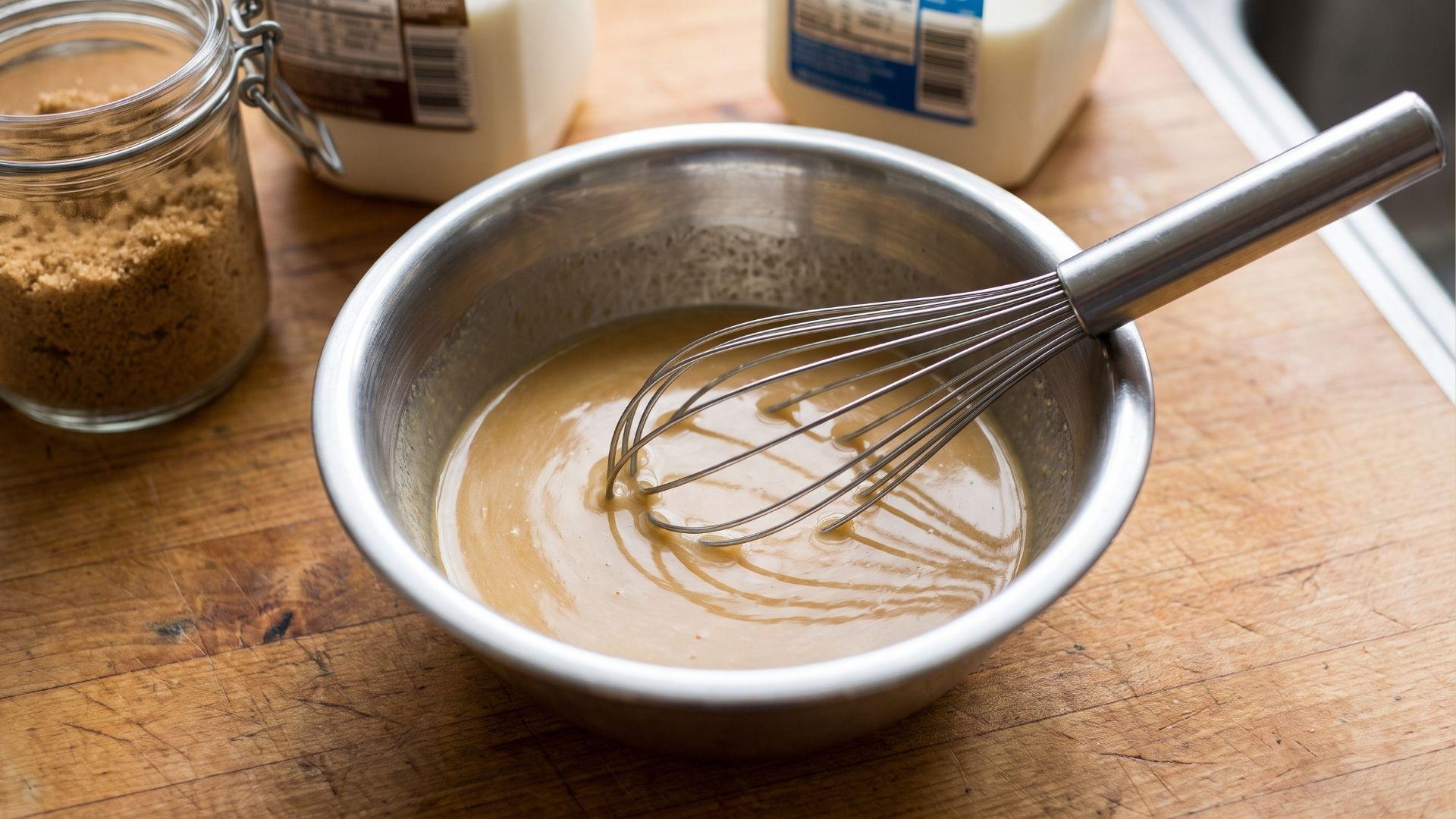
Whisk the egg, brown sugar, oil, and buttermilk in a bowl until smooth and evenly combined. Press out any lumps of brown sugar with the whisk, since they can leave sticky pockets in the baked cake.
Step 3: Mix the Dry Ingredients
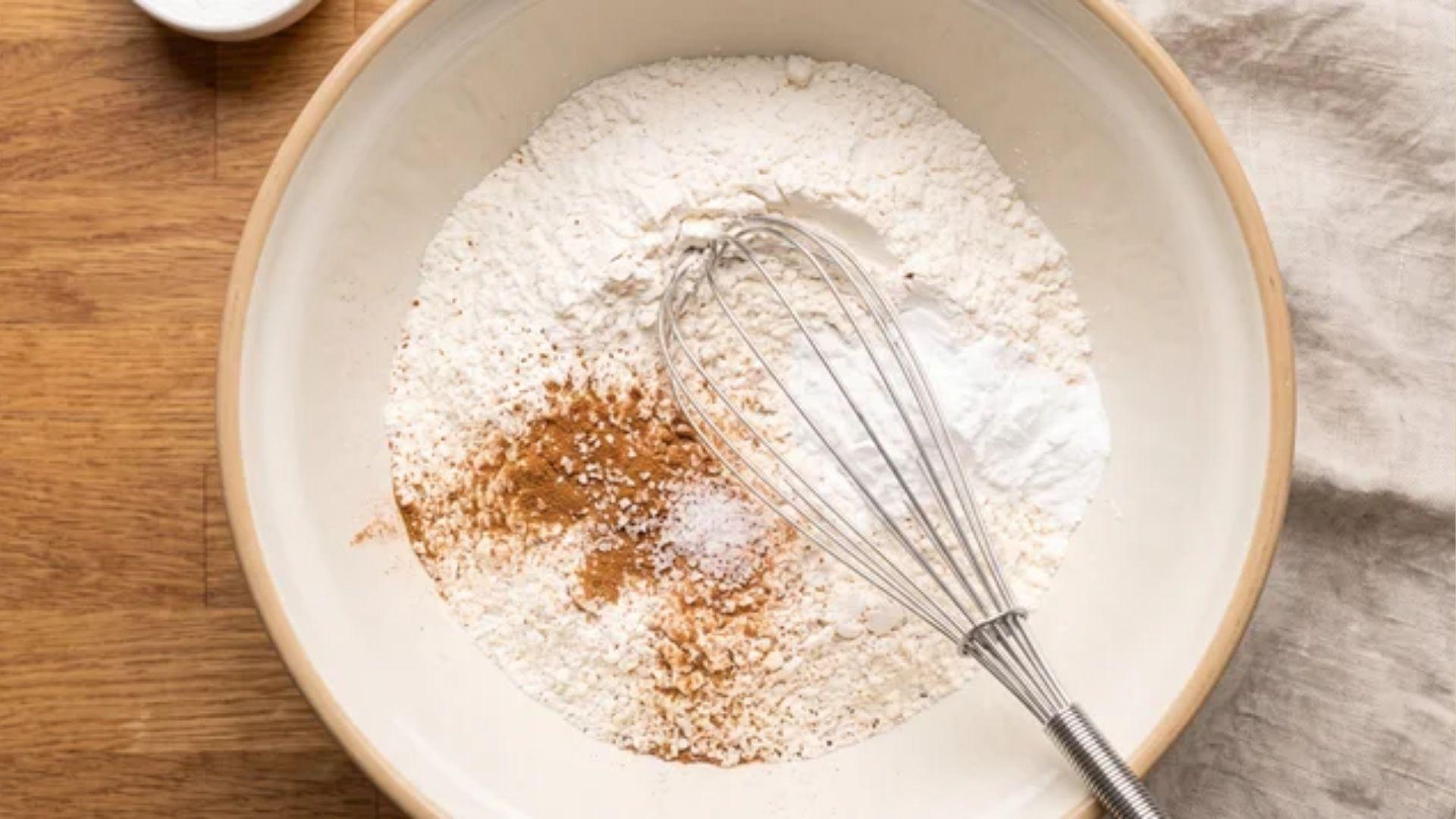
In a separate bowl, whisk the flour, baking powder, baking soda, cinnamon, and salt. This spreads the leaveners and spice evenly through the flour, so the cake rises evenly and every bite tastes the same.
Step 4: Combine the Batter
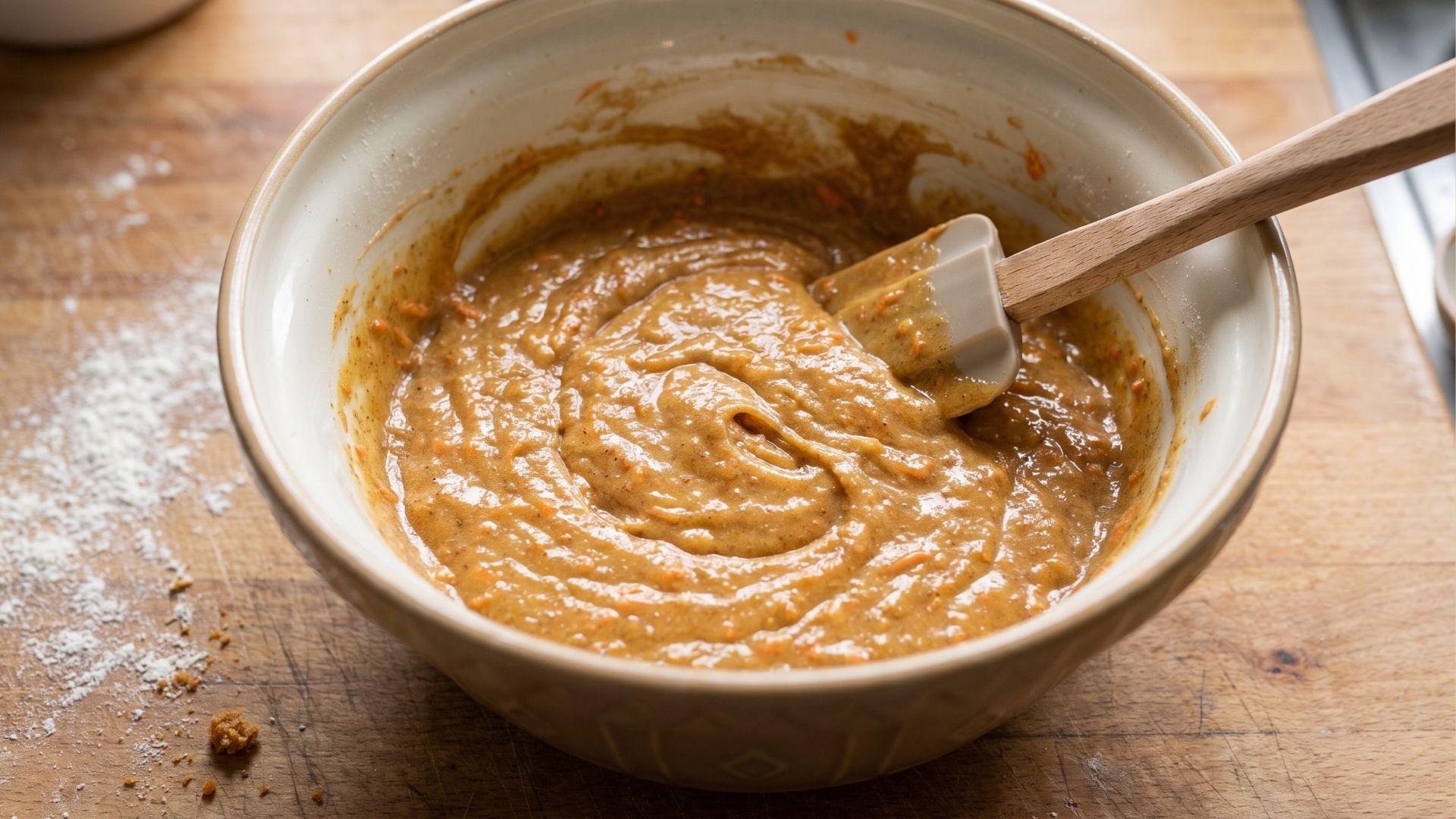
Add the dry ingredients to the wet mixture and stir gently until no dry streaks of flour remain. Stop there, because extra mixing develops gluten and makes the finished cake heavier.
Step 5: Fold In the Carrots and Walnuts
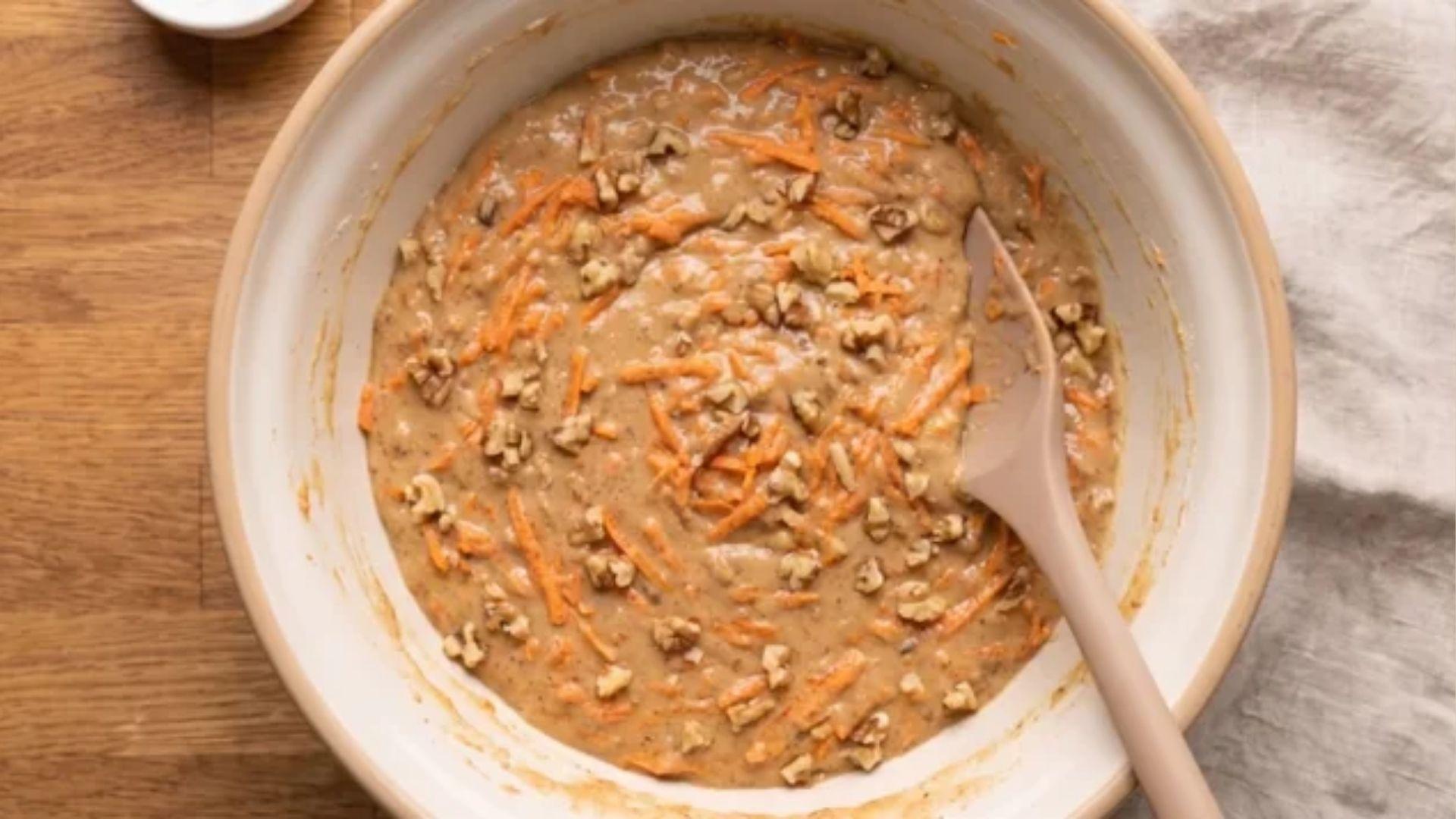
Add the grated carrot and walnuts (or pineapple, if using) and fold them in with a spatula until they are evenly spread. Slow, wide strokes keep the batter light, so avoid stirring hard at this stage.
Step 6: Bake the Cake
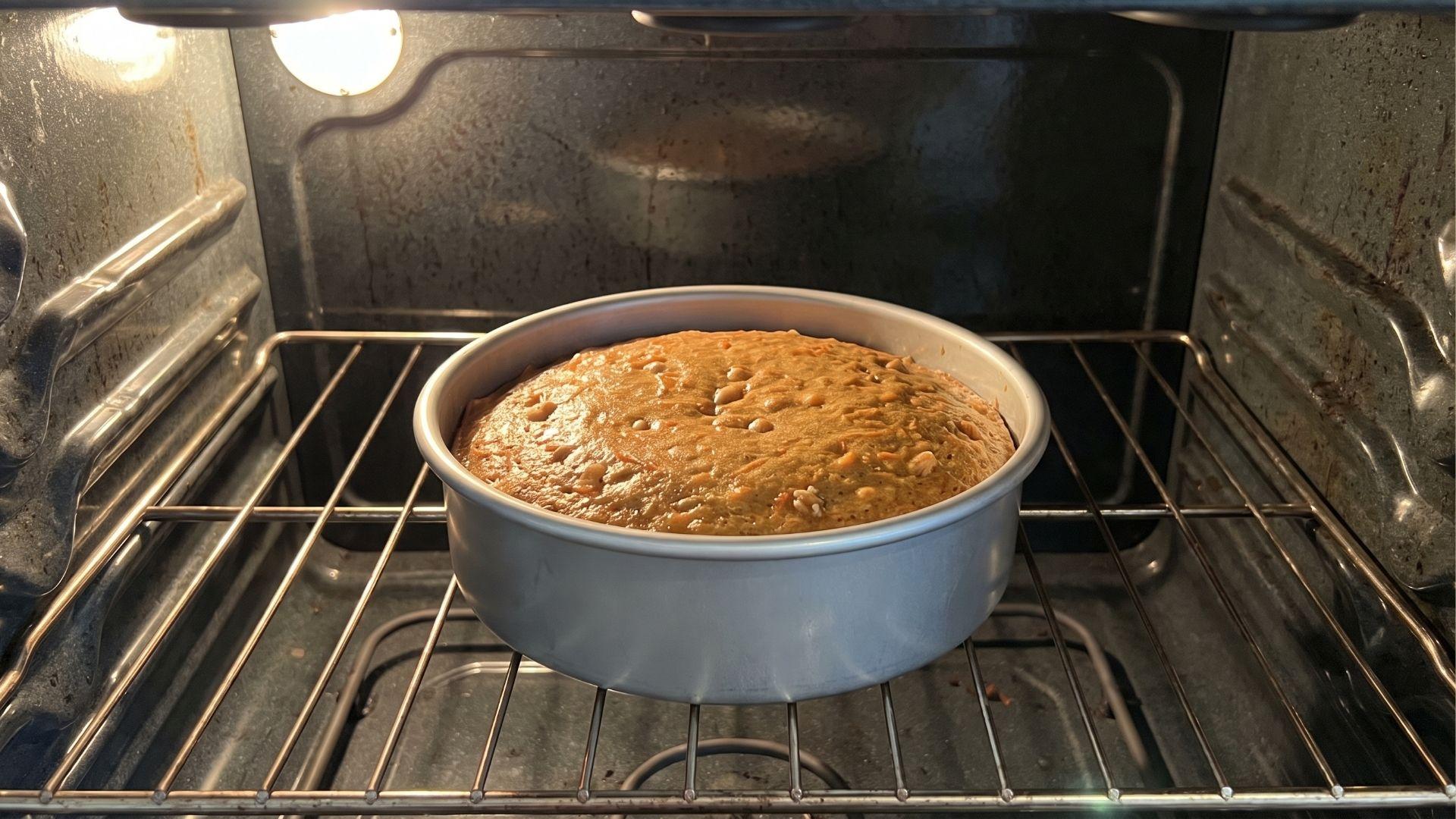
Pour the batter into the pan, smooth the top, and bake for 25 to 30 minutes. Start checking at 25 minutes with a toothpick in the center, which should come out clean or with a few moist crumbs.
Step 7: Let the Cake Cool
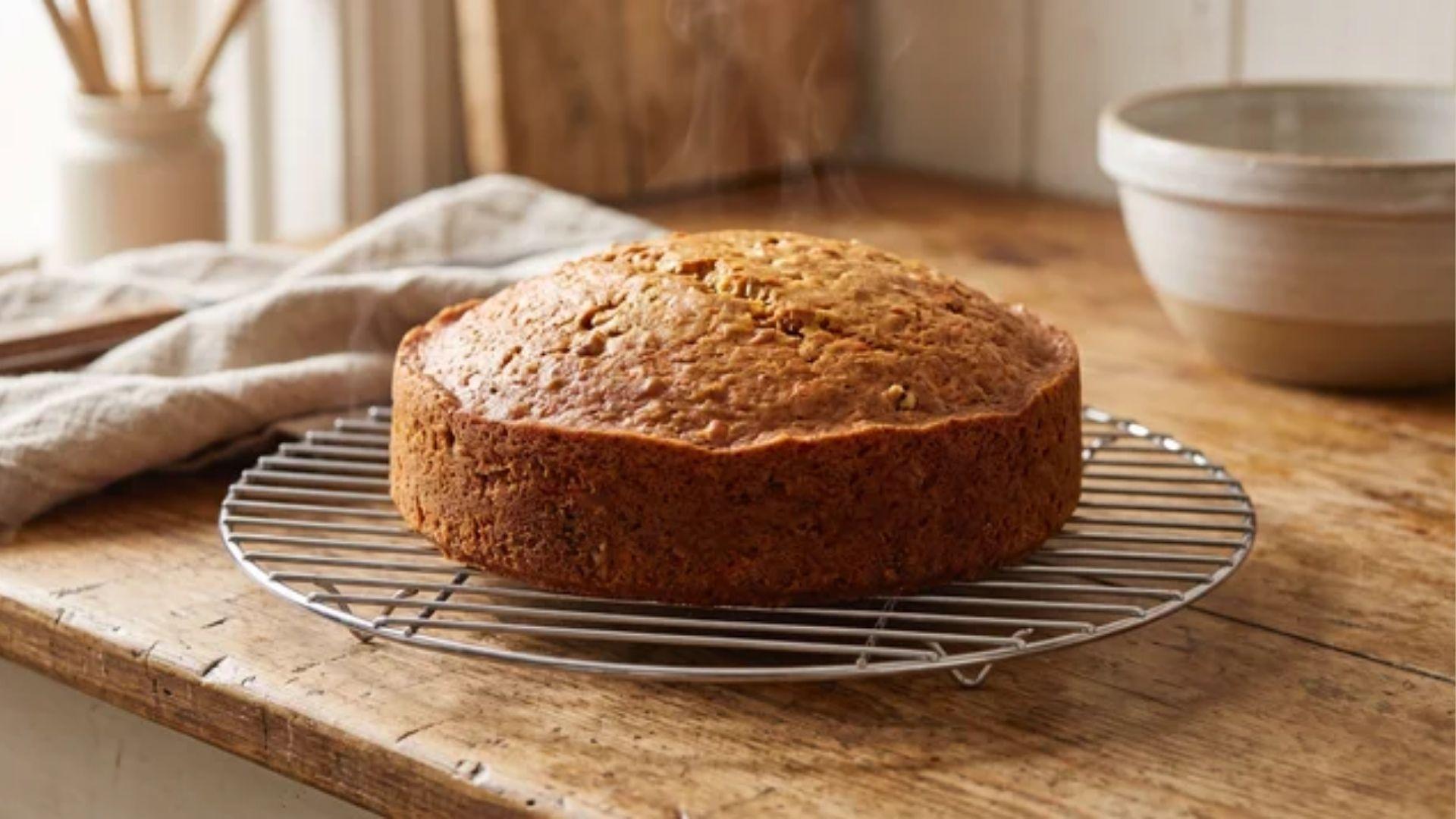
Leave the cake in the pan for 10 minutes, then turn it out onto a wire rack. Let it cool completely, which takes about an hour, because a warm cake will melt the frosting.
Step 8: Make the Frosting
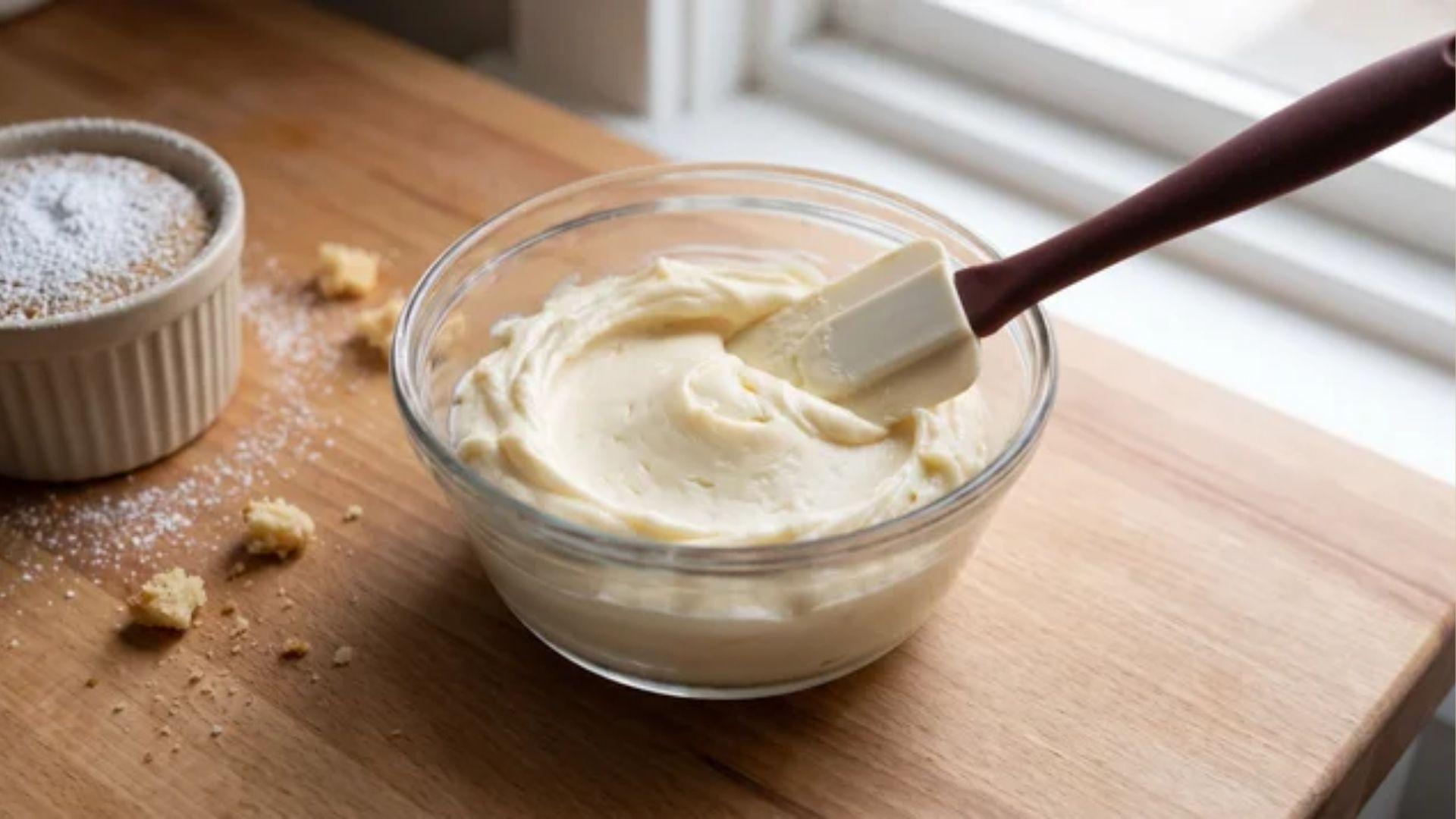
Beat the softened cream cheese and butter until smooth, then add the powdered sugar and vanilla and beat until fluffy.
For a nuttier flavor, brown the butter first and chill it until it firms back up to a soft, spreadable state before you beat it in.
Step 9: Frost the Cake
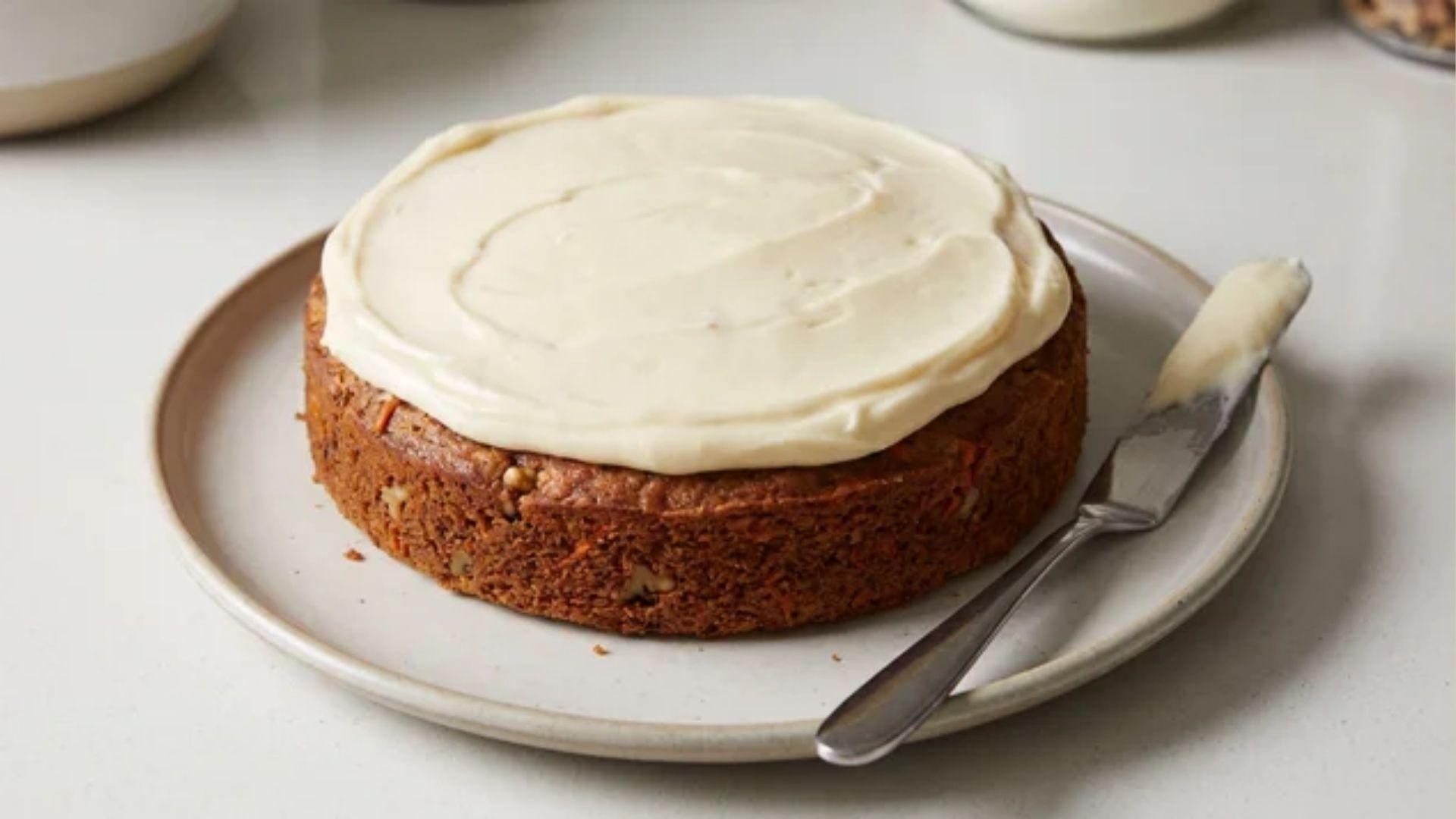
Spread the frosting over the top with a small offset spatula or the back of a spoon, leaving it slightly thicker at the edges if you like.
This batch covers the top only, so double or triple it if you want to frost the sides too.
Cream cheese frosting is perishable, so keep the frosted cake in the fridge between servings.
USDA Danger Zone guidance says perishable food should not sit out for more than 2 hours, or 1 hour when the temperature is above 90°F.
Make Small-Serving Carrot Cake Muffins From This Batter
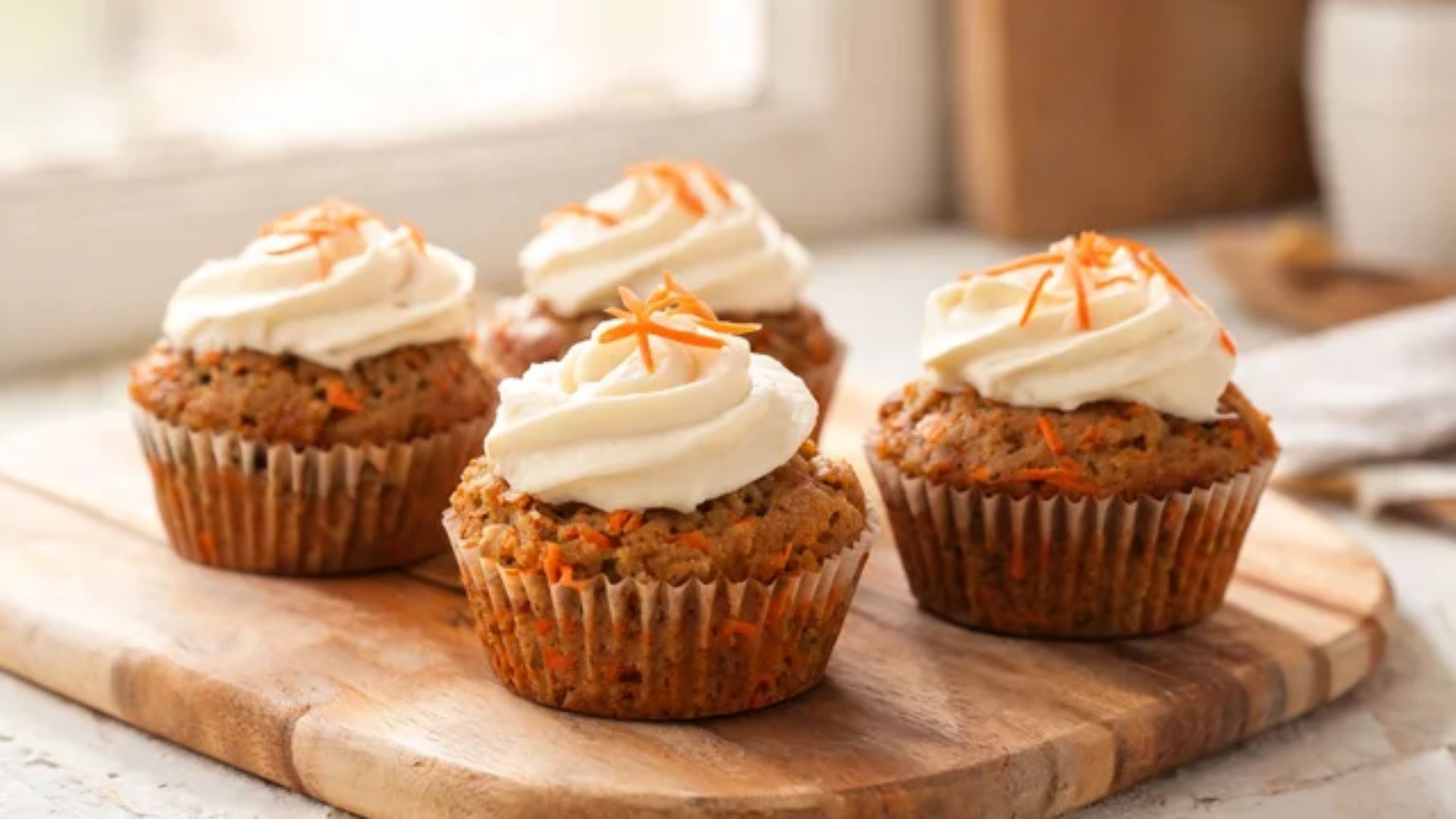
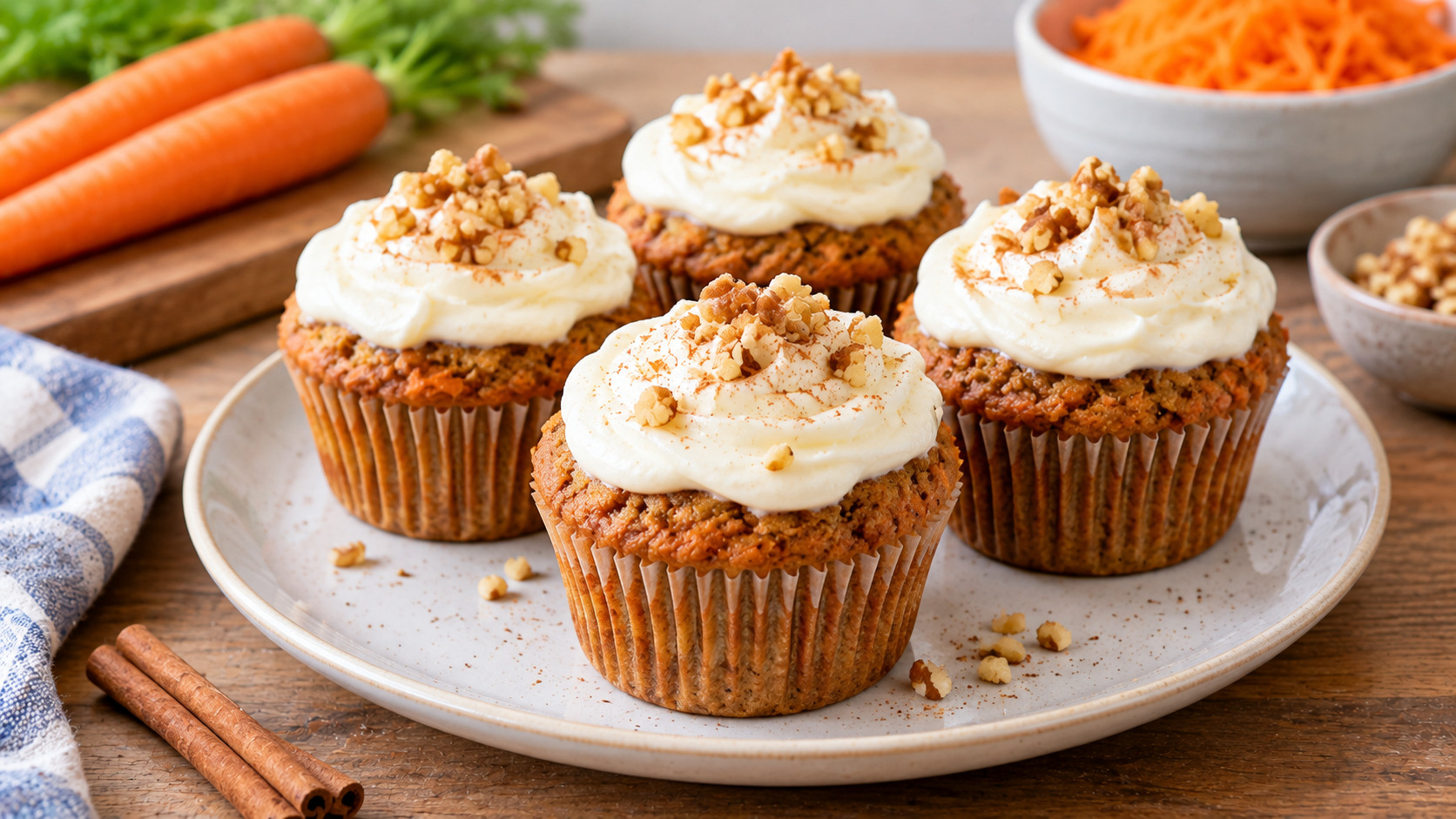
The same batter bakes into 5 to 6 standard muffins, which suits anyone who wants single portions or plans to freeze a few.
Line a muffin tin with paper liners, fill each cup about two-thirds full, and bake at 350°F (175°C) for 16 to 20 minutes, checking at 16 minutes.
Muffins bake faster because each cup holds a shallower layer of batter than a 6-inch pan, so heat reaches the center sooner.
My start in a small-town bakery taught me to trust the toothpick over the timer, and with muffins, a minute or two decides whether they come out soft or dry.
A mini muffin tin gives you more pieces in less time, so start checking those at about 10 minutes. Cool the muffins completely before adding the cream cheese frosting.
Small Carrot Cake Mistakes to Avoid
Overbaking is the most common mistake with a small carrot cake, because a small layer dries out within minutes of being done.
Coarse carrots, overmixing, frosting a warm cake, and opening the oven too early cause most of the other problems.
- Overbaking: Start checking at 25 minutes and pull the cake when a toothpick shows a few moist crumbs, since carryover heat finishes the center as it rests in the pan.
- Coarse or watery carrots: Grate the carrot on the small holes of a box grater so the shreds blend into the crumb and cook through. If the shreds release a lot of liquid, press them lightly in a paper towel, but skip this when they are not watery, because that moisture keeps the cake tender.
- Overmixing: Stir only until the flour disappears, since beating the batter after the dry ingredients go in makes the cake dense and tough.
- Frosting a warm cake: Warm cake melts cream cheese frosting and makes it slide off, so cool the cake completely on a rack first.
- Opening the oven early: Opening the door before the 20-minute mark lets heat escape and can make the center sink. Wait until the top looks set before you check.
Small Cake, Same Classic Flavor
Big-batch baking is overrated. What makes this the best small carrot cake recipe for a small household is that it’s built for a 6-inch pan instead of halved from a full-size cake.
This small carrot cake recipe proves you can have warm spice, a tender crumb, and tangy cream cheese frosting without a fridge full of leftovers you feel guilty about.
One bowl, one small pan, and dessert is sorted.
When you want a change, the same batter makes a softer pineapple version or 5 to 6 muffins you can freeze for single servings.
With a carrot and a block of cream cheese in the fridge, you’re about two hours from the first slice, and only 15 minutes of that is hands-on work.
Bake it as written this week, since every step is tested to come out right the first time, and save the pineapple batch for your next round.
Frequently Asked Questions
What Is the Secret to a Great Carrot Cake?
Toast the walnuts at 350°F for 5 to 8 minutes before chopping, and add a pinch of ginger or nutmeg alongside the cinnamon. Both deepen the flavor without changing the batter ratios.
Can I Use a Different Pan Size for This Small Carrot Cake?
An 8-inch pan needs nearly double the batter, so it stops being a small cake. A 4-inch pan takes about half the batter, serves 1 to 2, and bakes several minutes faster.
How Do I Store Leftover Small Carrot Cake?
For longer storage, wrap unfrosted cake or muffins tightly in plastic and foil, then freeze. Thaw them overnight in the fridge and frost just before serving so the frosting stays smooth.
Can I Use Pre-Shredded Carrots?
Yes, but bagged shreds are thicker and drier than freshly grated carrot, so the crumb turns out less tender. Chop them finer before folding them in, or grate one carrot fresh in about a minute.