Chewing is something most people never think about until they can’t do it comfortably.
Whether you just had a tooth pulled, started wearing aligners, or are recovering from surgery, eating suddenly becomes a problem to solve.
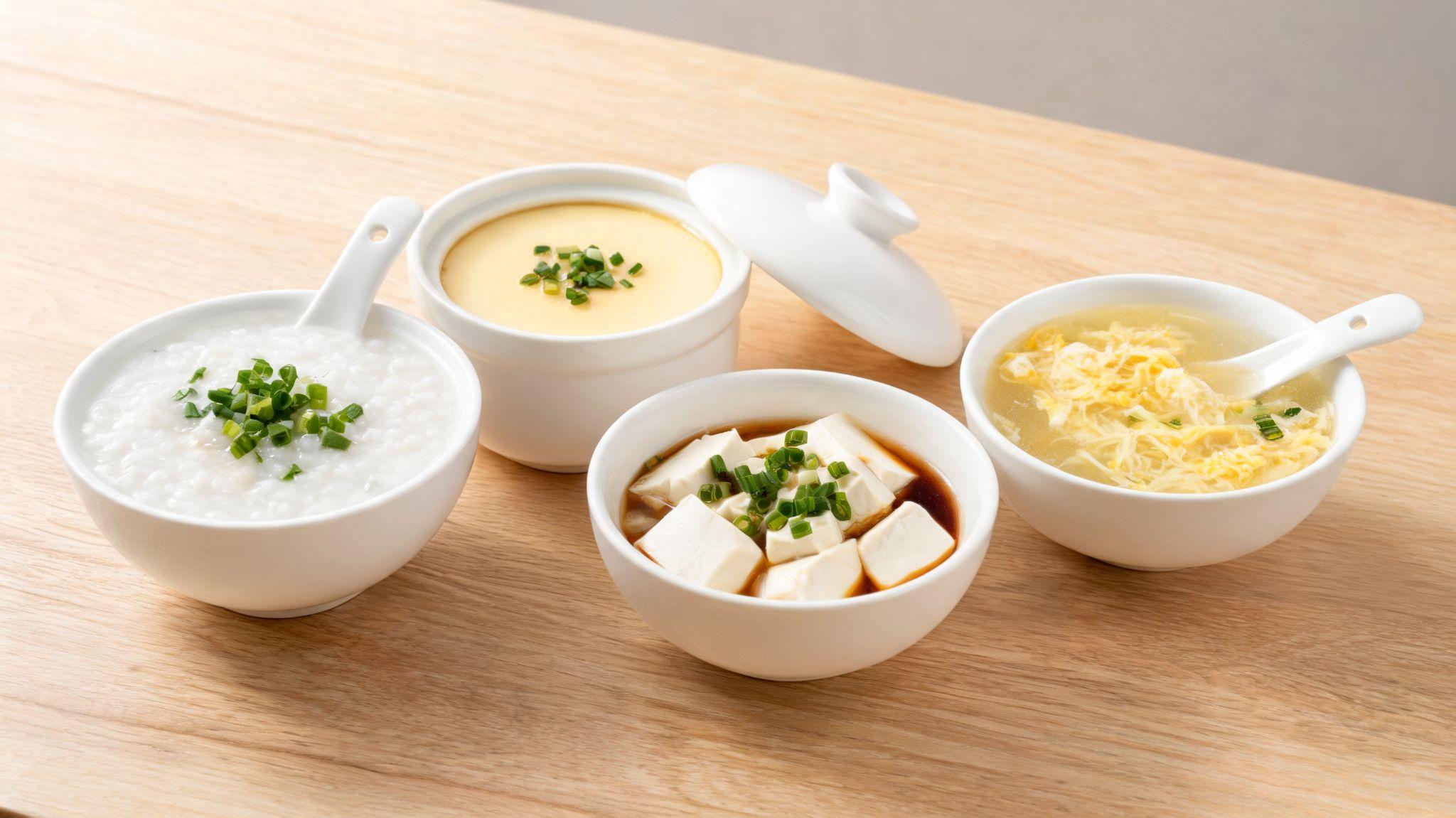
Soft Chinese food is one of the smartest places to start. Chinese cuisine has been built around gentle textures for centuries: congee, steamed eggs, and silken tofu long before ‘soft food diet’ was even a phrase.
For everyday eating without restrictions, what to order from a Chinese menu covers the best dishes without the guesswork.
You will find real, satisfying meals here, not just bland workarounds. Let’s get into what actually works.
What Is Soft Chinese Food and Why It Works for Restricted Diets
Soft Chinese food refers to dishes that are naturally smooth, tender, or slow-cooked to a texture that needs little to no chewing.
The good news is that Chinese cooking already leans into soft textures — not as a compromise, but as a tradition. Dishes like congee and steamed egg custard have been Chinese household staples for generations.
What makes these dishes work for restricted diets is how they are cooked. Long simmering, steaming, and braising break down fibres and proteins into textures that are easy to swallow without putting pressure on sore teeth or healing tissue.
This is not about eating baby food. These are full-flavour meals built on real technique.
The Best Soft Chinese Food Dishes by Category
Not all Chinese dishes are off-limits when chewing hurts here are the ones that actually work.
1. Congee (Rice Porridge): The Gold Standard of Soft Chinese Food
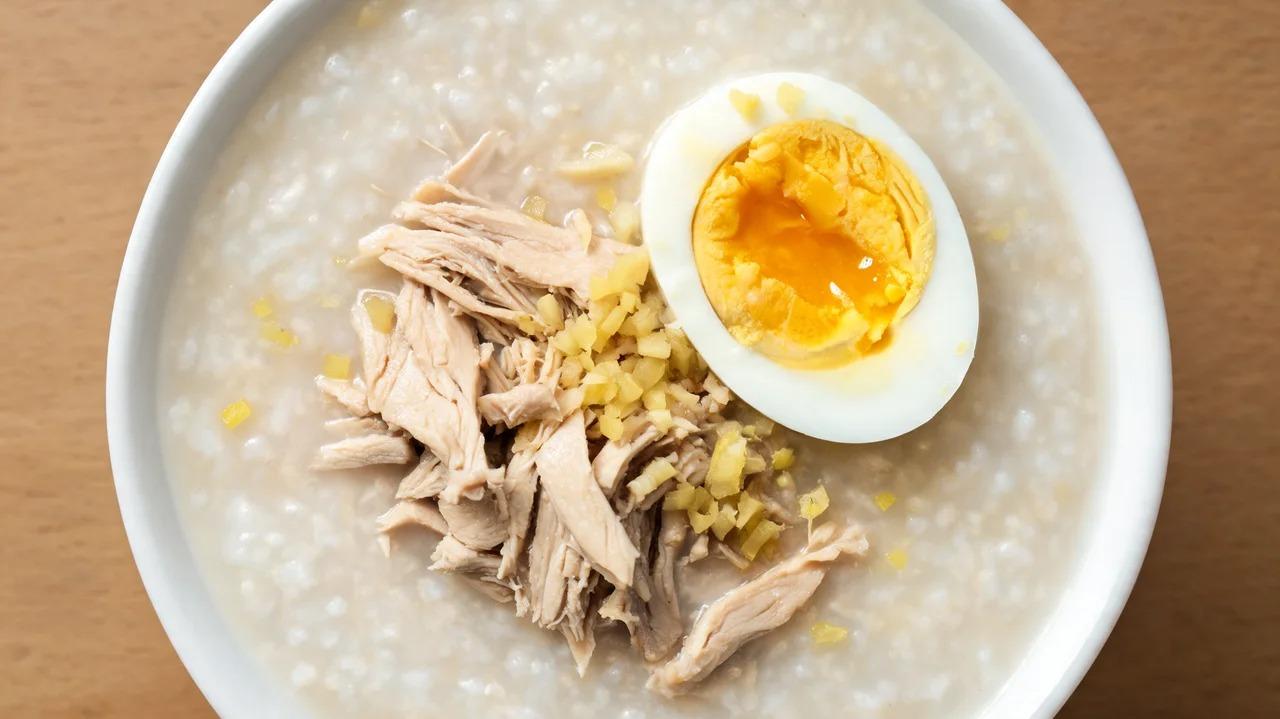
Congee is rice simmered in water or broth for so long that it completely breaks down into a smooth, creamy porridge. It is the dish most recommended across Chinese soft food diets, and for good reason.
You can add shredded chicken, soft-boiled egg, or minced ginger on top. All of it stays gentle on the mouth.
2. Steamed Egg Custard: Silky, Protein-Rich, and Nearly Effortless to Eat
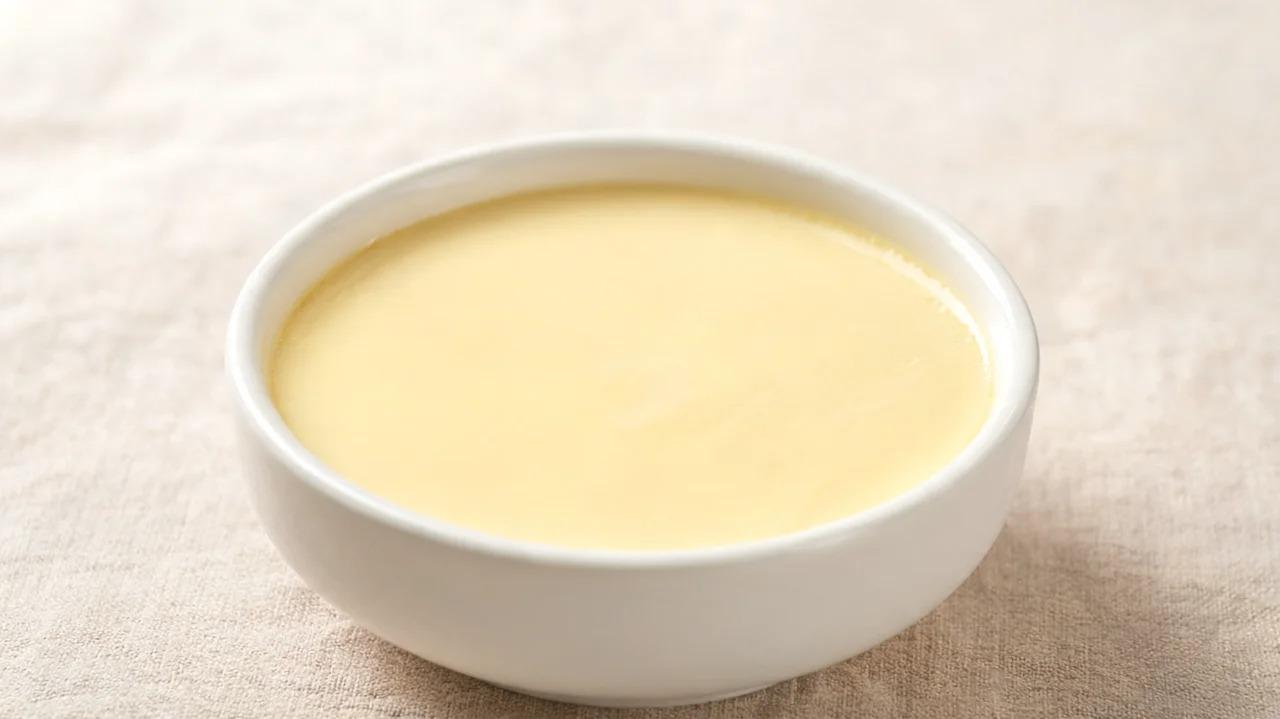
This dish is whisked egg mixed with warm stock and steamed until it sets into a soft, jello-like texture. It melts the moment it hits your tongue.
It is also one of the most protein-dense options on this list, which matters when you are recovering and your body needs fuel.
3. Wonton Soup: Comforting Broth With Tender Bites
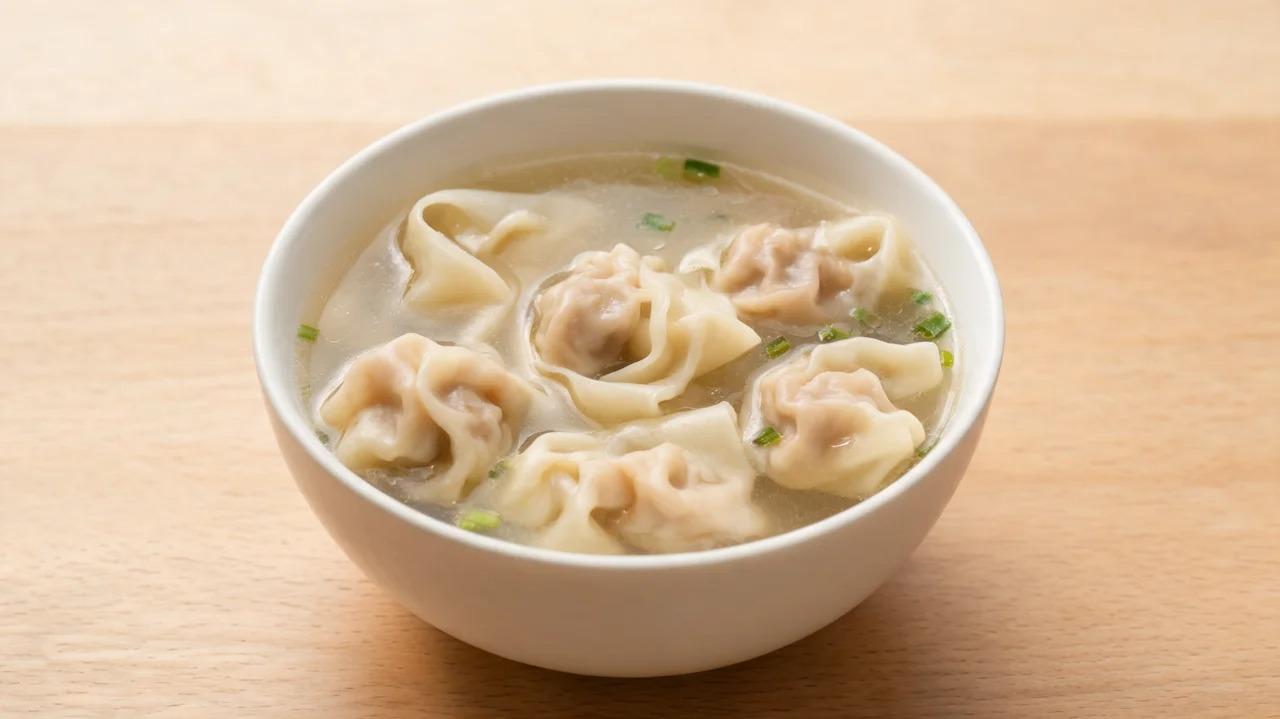
Wontons are thin dough wrappers filled with minced meat or shrimp, cooked in a clear broth. When made fresh, the wrapper becomes very soft and the filling stays tender.
Ask for extra broth when ordering. It keeps the wontons soft all the way through.
4. Egg Drop Soup and Tomato Egg Drop Soup: Light and Soothing
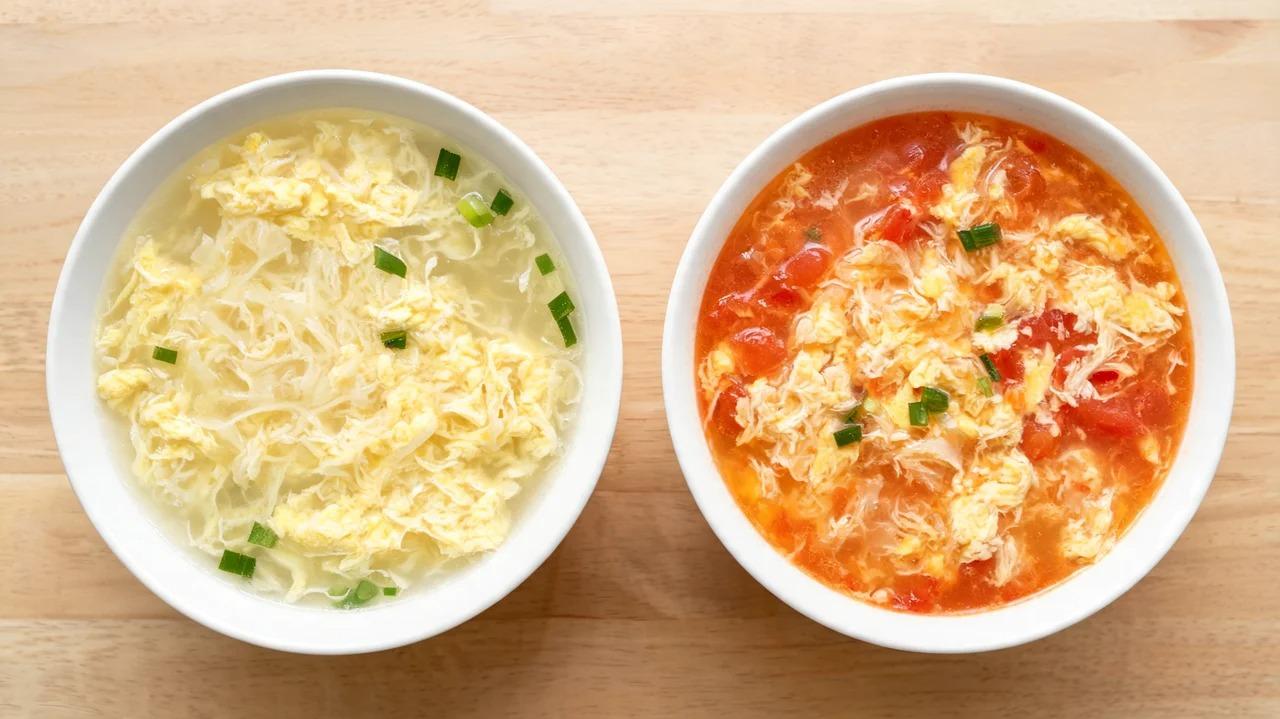
Egg drop soup is about as soft as food gets. Whisked eggs are poured into simmering broth, forming silky ribbons that barely need to be chewed.
The tomato version adds a mild sweetness and a little more substance. Both are good choices when your stomach is also feeling off.
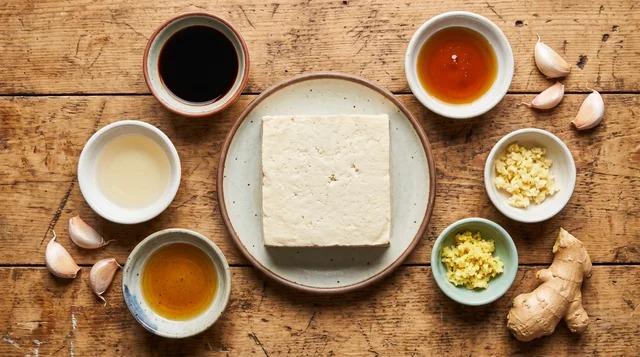
5. Mapo Tofu: Melt-in-Your-Mouth Bean Curd in a Savory Sauce
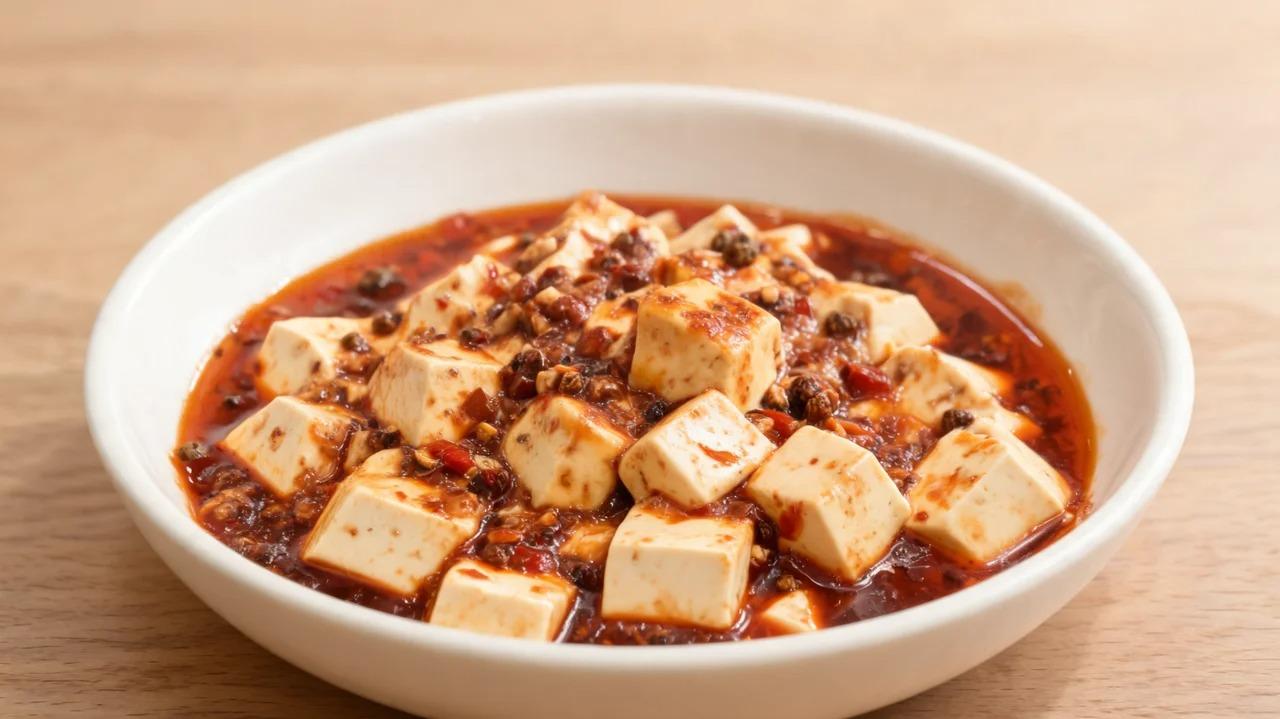
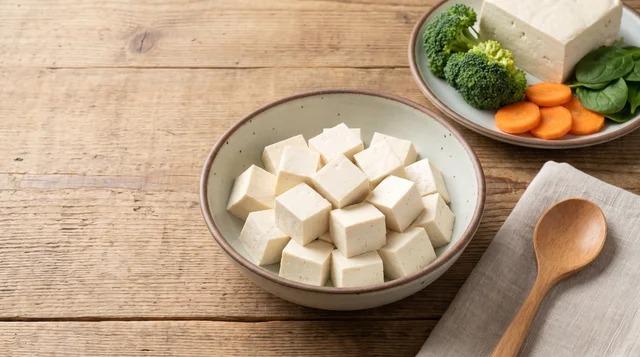
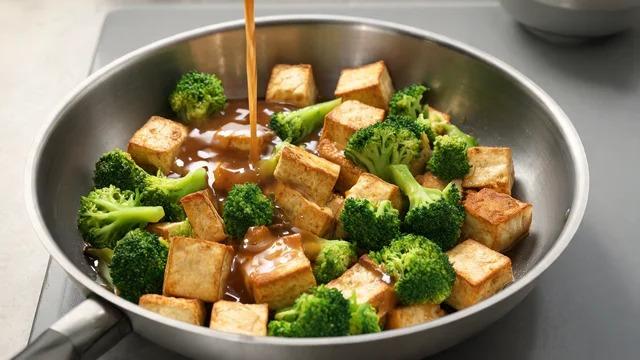
Mapo tofu uses silken or soft tofu cubes cooked in a savoury sauce. The tofu itself requires zero chewing, it falls apart on contact.
If you are ordering from a restaurant, ask them to go light on the spice. The texture is always soft regardless of heat level.
6. Steamed Tofu With Shrimp: Soft Protein That Requires Zero Chewing
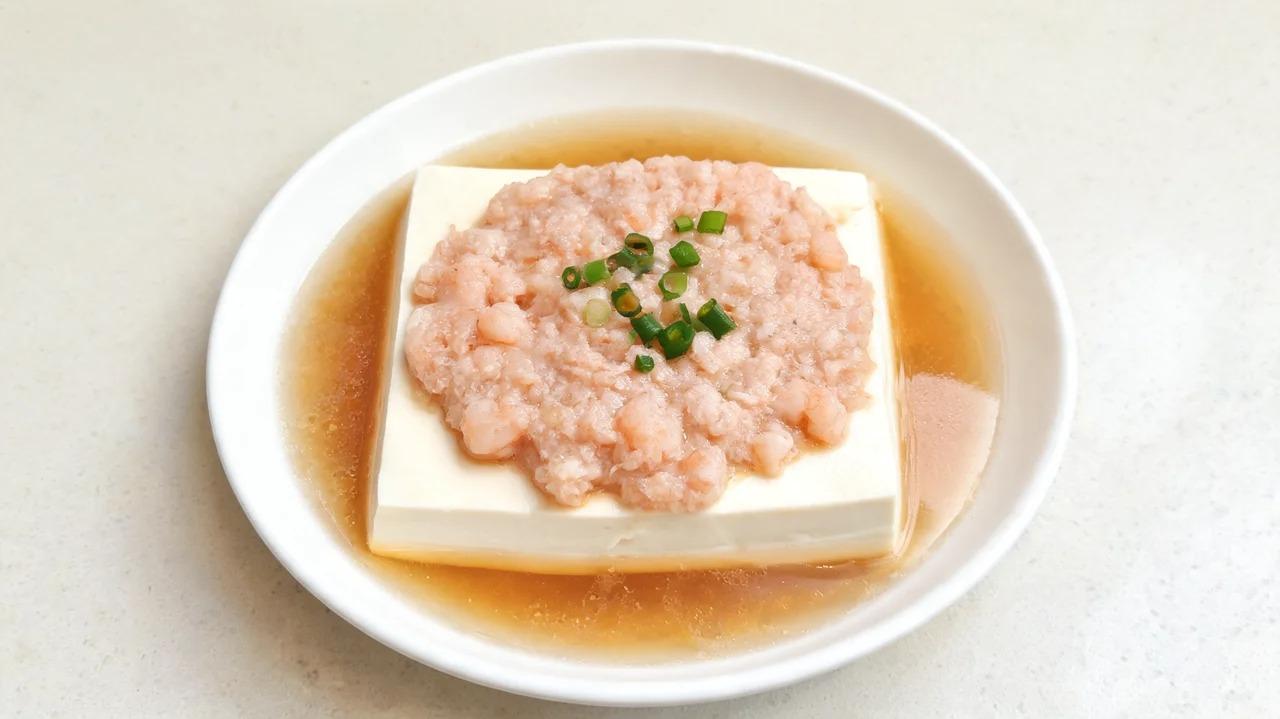
This is silken tofu topped with finely minced or pureed shrimp, then steamed briefly. Both components are completely soft.
It is a strong option if you need protein without any texture that could press on sore spots.
7. Braised Noodles and Lo Mein: When Noodles Qualify as Soft Food
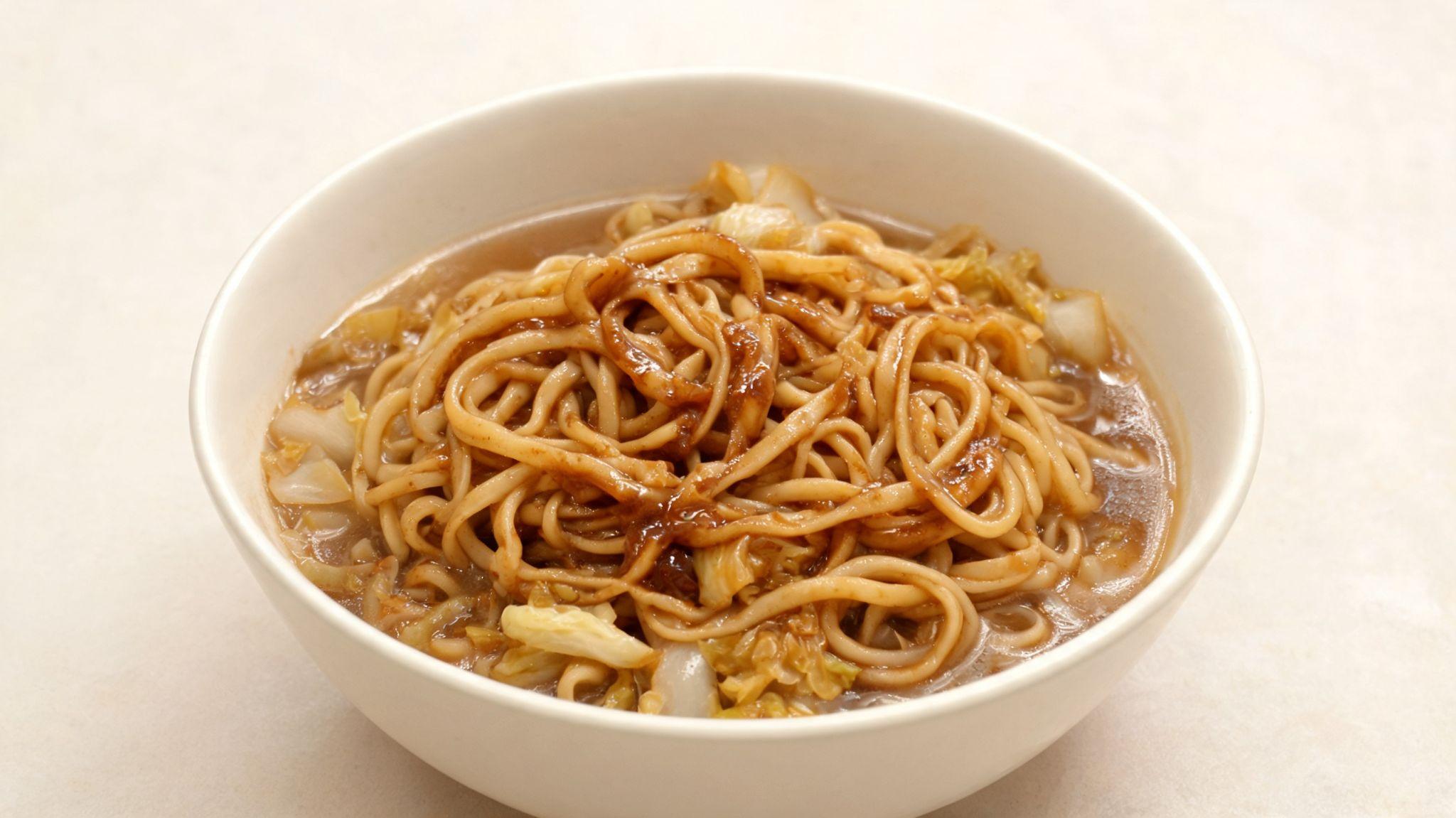
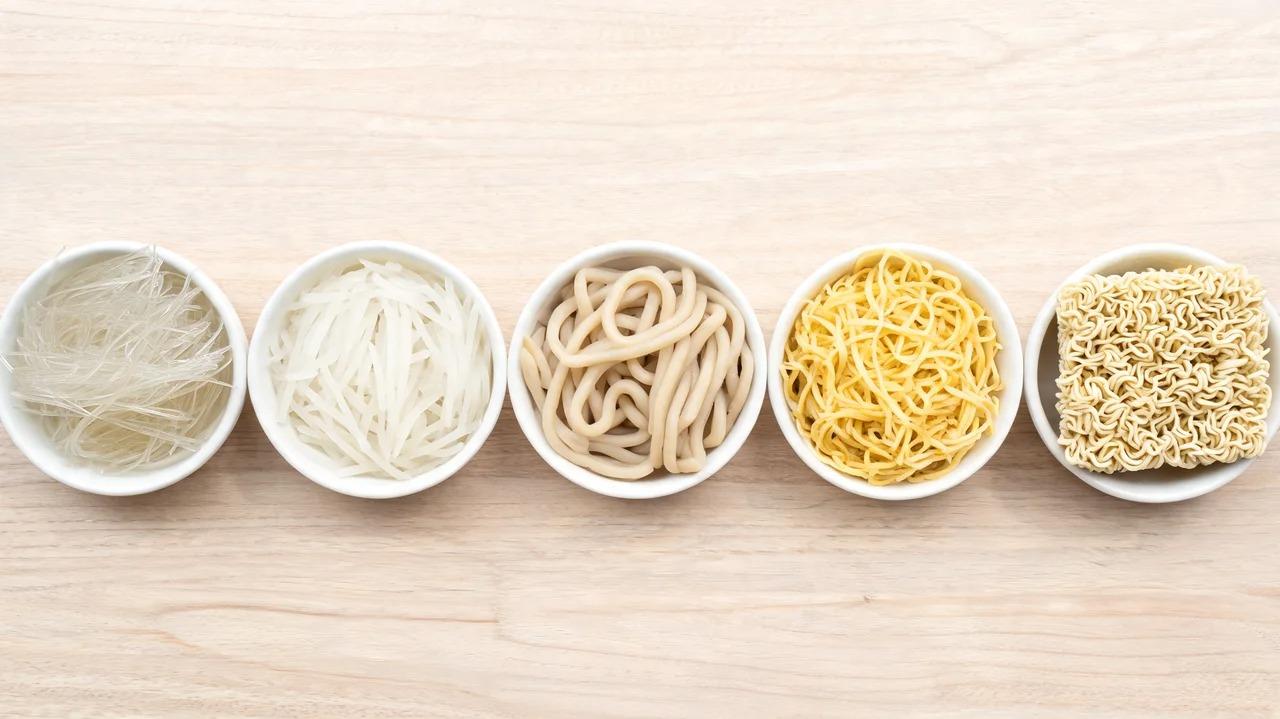
Standard lo mein has some chew to it. But noodles braised in broth for a longer time lose that resistance and become genuinely soft.
At home, cook your noodles longer than the package says. At a restaurant, ask if they can be made well-done or extra soft.
8. Braised Chinese Eggplant: The Softest Vegetable Dish in Chinese Cooking
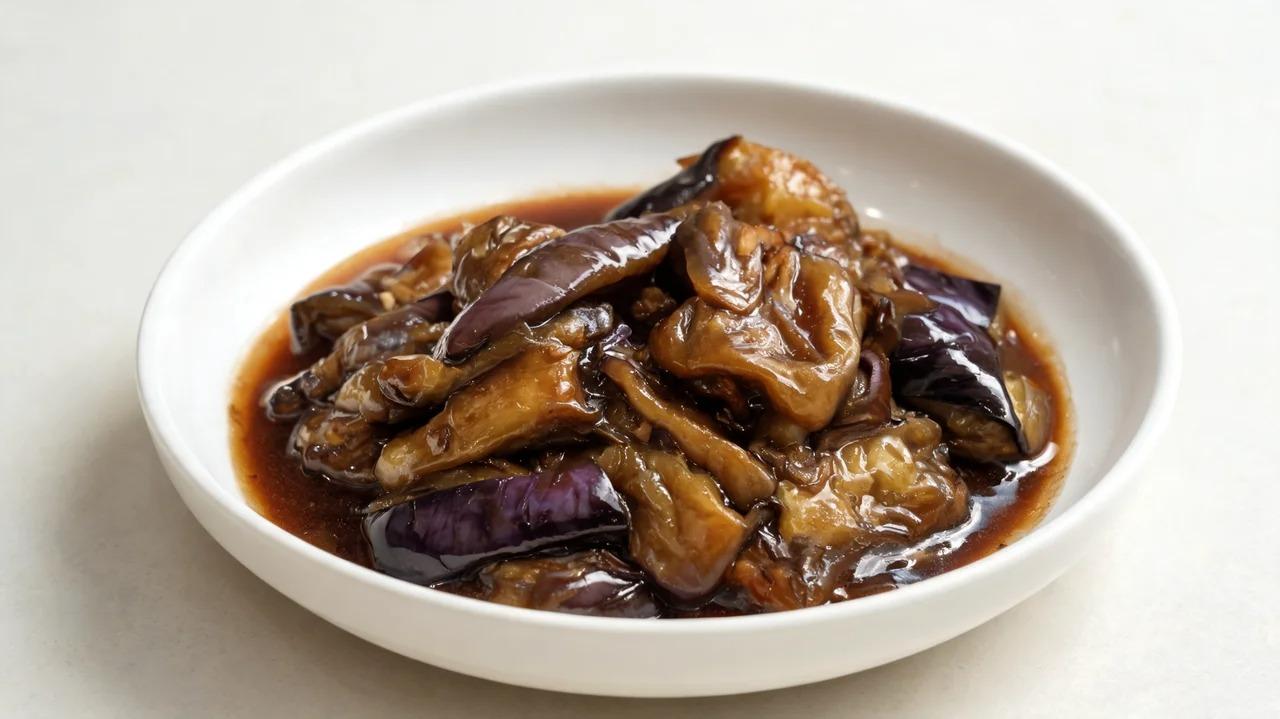
Eggplant soaks up sauce and collapses completely when braised long enough. It becomes slippery and almost creamy in texture.
This is one of the few vegetable options on a soft food diet that actually delivers on flavour.
Soft Chinese Food for Your Specific Situation
Your reason for needing soft food matters, here is what works best for each one.
Soft Chinese Food After Wisdom Teeth Removal or Dental Surgery
In the first few days after surgery, you want nothing that requires biting down. Congee, egg drop soup, and steamed egg custard are your best starting points.
Avoid anything with seeds, small particles, or chewy wrappers. Wonton soup is fine but skip the wonton if the wrapper feels too thick on day one.
Soft Chinese Food for Braces and Clear Aligners
With aligners, you remove them to eat, but your teeth are still shifting and can be sensitive. Hard or sticky foods make that discomfort worse.
Soft Chinese options like congee, mapo tofu, and steamed egg give you a full meal without putting unnecessary pressure on your teeth.
Soft Chinese Food for Elderly and Dysphagia Diets
Dysphagia means difficulty swallowing, and food texture becomes a safety concern, not just a comfort one. Chinese cuisine has several dishes that naturally meet IDDSI Level 4 and 5 guidelines.
Steamed egg custard at a 1:1.5 egg-to-stock ratio is one of the most recommended preparations. Congee thinned slightly with extra broth also works well at this level.
Always check with a speech therapist or dietitian before adjusting textures for a dysphagia diet.
Soft Chinese Food for Bariatric and Post-Surgery Recovery
After bariatric surgery, the soft food stage usually starts around week three and lasts one to two weeks. Portions are small, and protein is the priority.
Steamed egg custard and silken tofu with minced shrimp are strong choices here. Both are high in protein, easy to digest, and small enough to eat in controlled portions.
Final Takeaway
Soft Chinese food is not a compromise. Chinese cuisine has always had dishes built for gentle textures, real flavour, and easy digestion.
From congee to steamed egg custard, you have more options than most people realise.
If you are working through recovery, dental discomfort, or a restricted diet, start with two or three dishes from this list and see what works for your situation.
Got a dish that helped you through a tough eating period? Drop it in the comments below. I would love to hear what worked for you.
Frequently Asked Questions
Is Chinese hot and sour soup considered a soft food?
Not entirely. The tofu and egg ribbons are soft, but bamboo shoots and wood ear mushrooms add chew. Ask for those to be left out.
Can I eat dim sum on a soft food diet?
Some of it, yes. Steamed rice rolls and egg tarts are soft enough. Fried items and anything with firm fillings should be skipped.
Is rice a soft food in Chinese cooking?
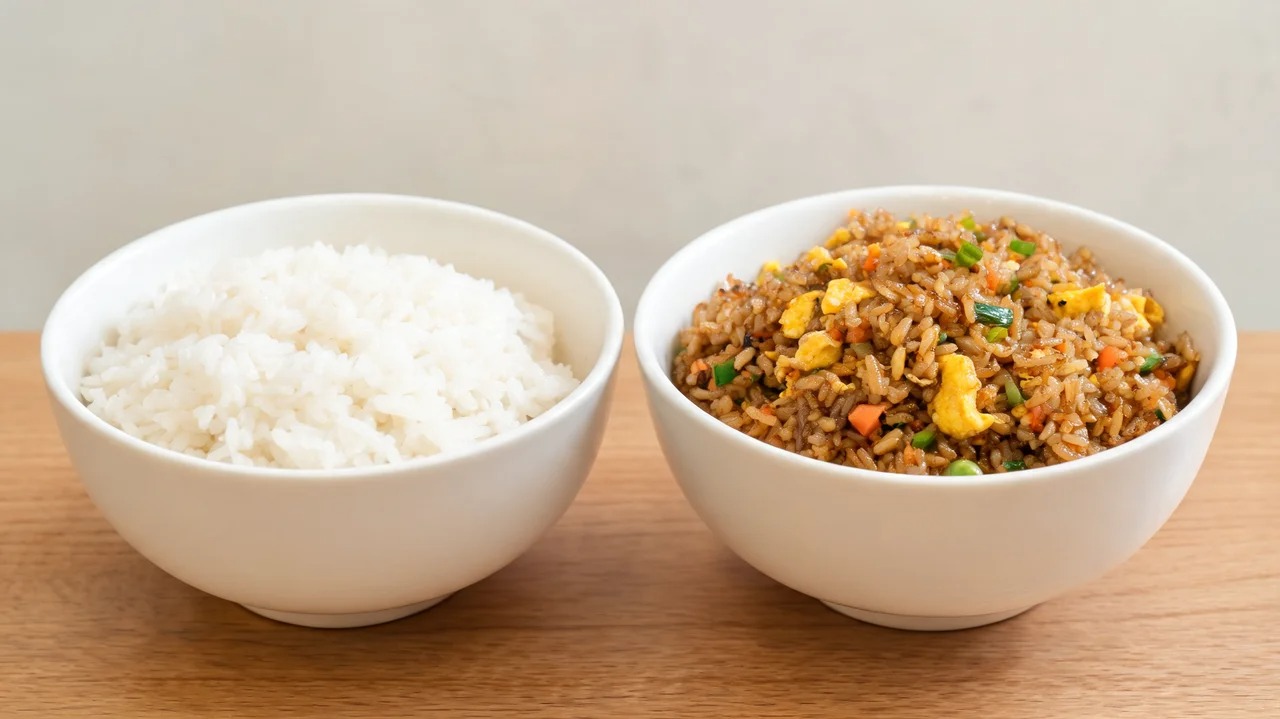
Plain steamed rice, no. Congee is the soft-diet version — rice cooked down completely in broth until smooth and spoonable.
Can I drink Chinese herbal soups on a soft food diet?
Yes, fully. Most Chinese herbal soups are clear broths with soft ingredients like red dates and goji berries. Safe and nourishing.
Is tofu safe to eat after jaw surgery?
Silken tofu, yes. It requires no chewing and delivers protein. Firm or extra firm tofu is too dense until you are fully healed.