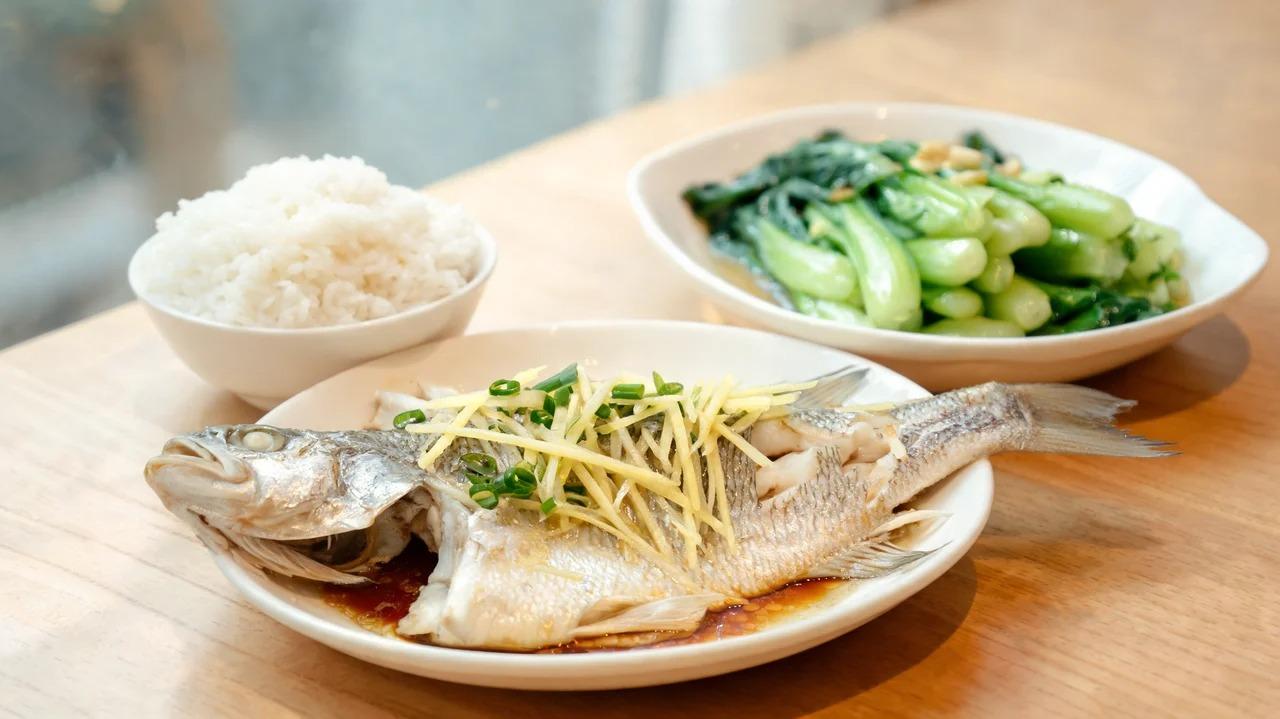
A single spring roll runs about 100 calories. An order of sweet and sour pork can hit 1,300. Both sit on the same takeout menu, two lines apart.
That gap tells you everything: low-calorie Chinese food isn’t hard to find, it’s just easy to miss.
Most steamed and lightly stir-fried dishes land between 50 and 350 calories per serving. The numbers climb fast once batter, sugar-thickened sauces, and oversized rice portions enter the order.
In this post, you will learn how many calories sit in popular Chinese dishes, where the hidden calories come from, and how to build a full meal around 400, 500, or 600 calories.
If you want the broader nutrition picture, including protein and sodium, our guide covers it.
Now that the stakes are clear, let’s look at why the same dish can carry such different numbers from one restaurant to the next.
Why Calorie Counts in Chinese Takeout Vary So Widely
Beef and broccoli shows the problem well. A serving at one national chain is listed at about 150 calories, one nutrition roundup puts the average takeout order at 670, and a lean home recipe comes in at 253 per serving.
The dish is the same each time, so the gap comes from four things.
Where the Extra Calories Come From
- Oil: every tablespoon that ends up in your dish adds about 120 calories.
- Sugar: sweet sauces turn a lean protein into a dessert-level meal. Orange beef packs around 1,000 calories and more than 60 grams of sugar in one serving.
- Batter: a fried coating can double the calories of a plain chicken breast.
- Starch: the rice or noodles underneath often outweigh the protein on top.
Calories by Cooking Method
Cooking method sorts dishes into rough calorie bands before you read a single ingredient.
| Method | Example Dish | Calories |
| Steamed or broth-based | Steamed fish with ginger and scallion | 200 to 260 |
| Lightly stir-fried | Chicken with snow peas | About 300 |
| Deep-fried and sauced | Sweet and sour pork | About 1,300 |
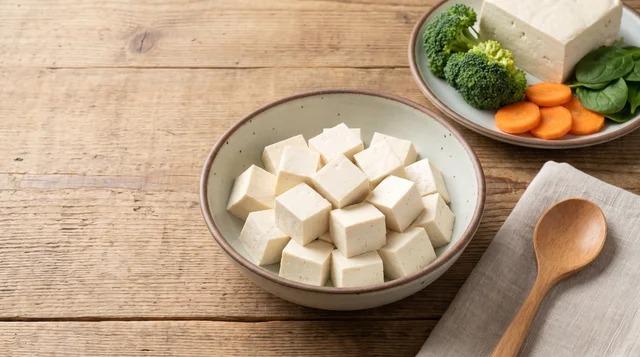
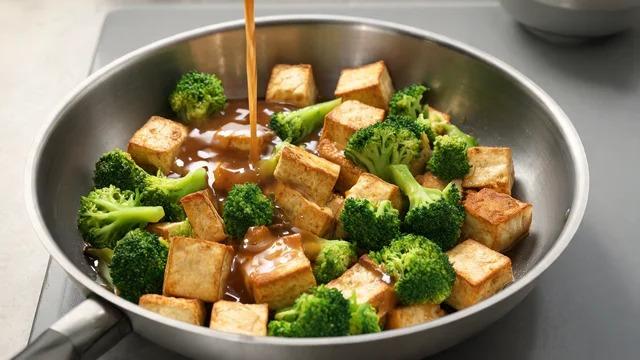
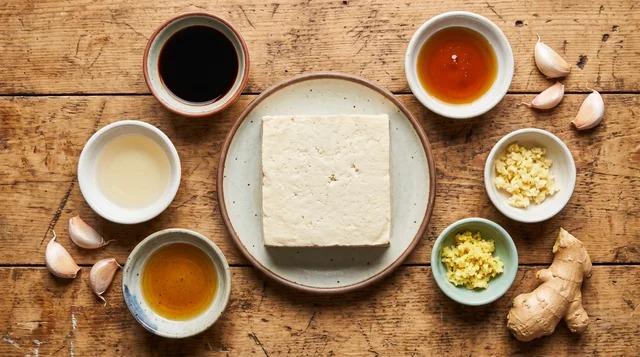
Tofu shows how much method matters. It looks like a light choice, yet deep-fried tofu pushes the calorie count up significantly.
A simple rule applies across the menu: anything with “crispy” or “fried” in its name is likely to be high in fat and calories.
Low Calorie Chinese Appetisers and What to Skip
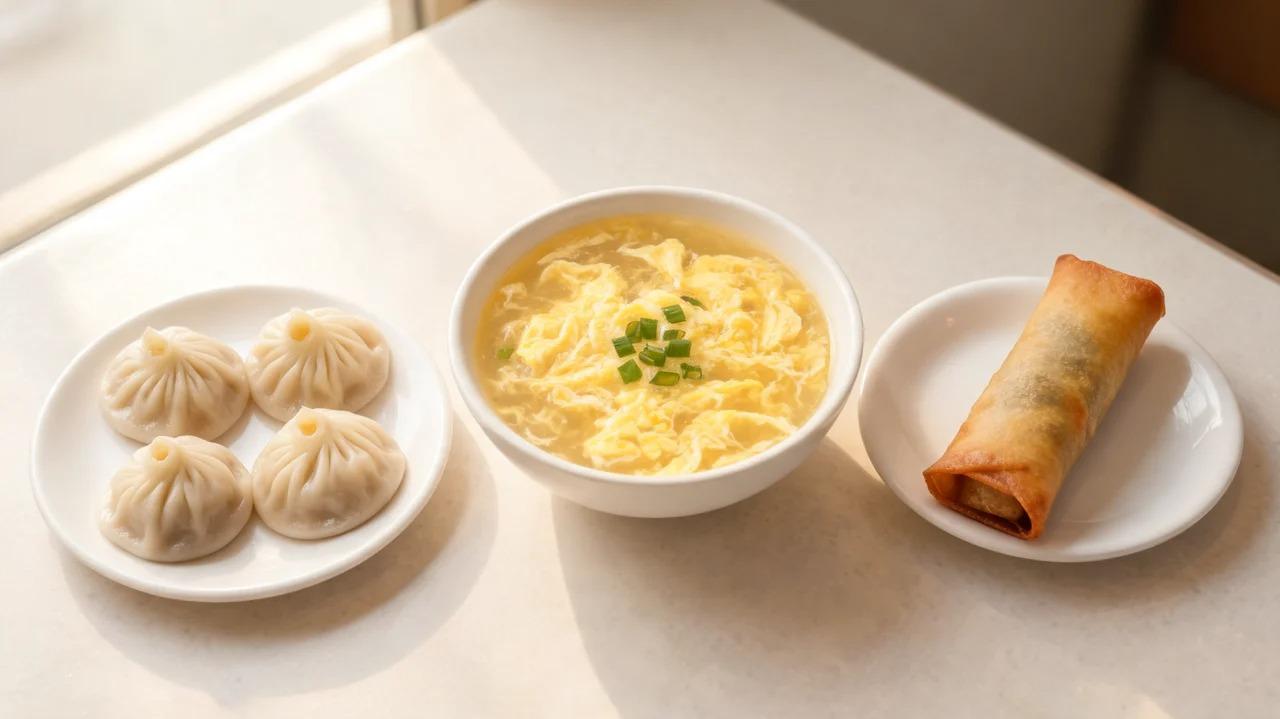
Starters decide whether a meal stays light before the main course arrives.
| Starter | Calories | Note |
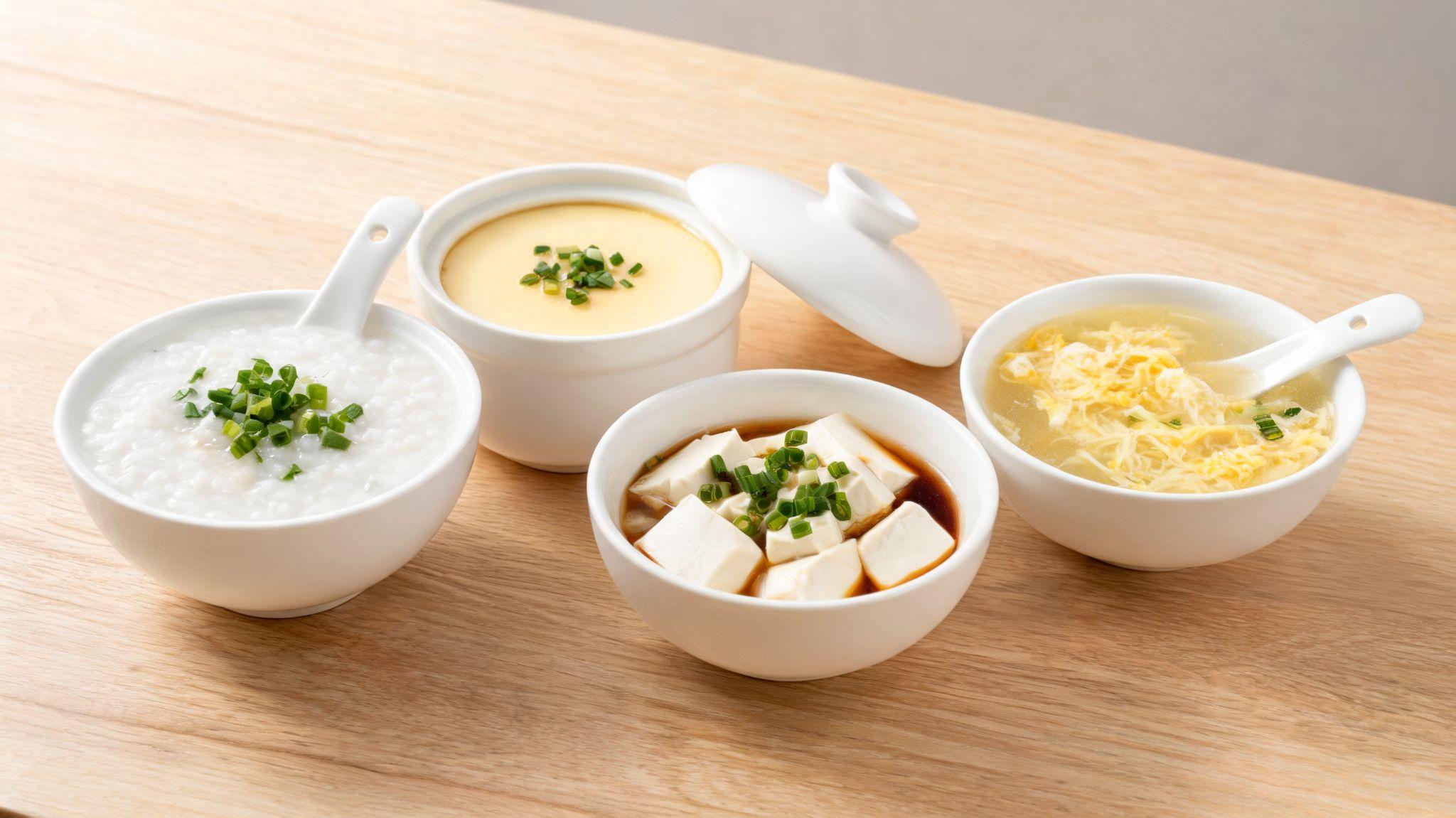
| Broth soups (egg drop, wonton, hot and sour) | 90 to 100 per cup | Also 2 to 3g of fat |
| Steamed dumpling | 35 to 40 per piece | Lightest solid starter |
| Spring roll | 100 to 150 per roll | Smaller than an egg roll, with a thinner wrapper |
| Fried egg roll | 100 to 130 per piece | Before dipping sauce |
The spring roll is not a lighter swap for the egg roll, since both are fried and sit in a similar range.
The steamed dumpling is the real saver, at roughly a third of the calories per piece. For dish-by-dish soup details, see our guide to [internal link: healthy chinese food options].
Skip these starters:
- Fried noodles served with soup, because sprinkling them on top raises both calories and fat.
- Pan-fried pork dumplings, which appear on one list of the worst takeout dishes.
- Crab rangoon, which is fried with a cream cheese filling.
Low Calorie Chinese Main Dishes, Tiered by Calories
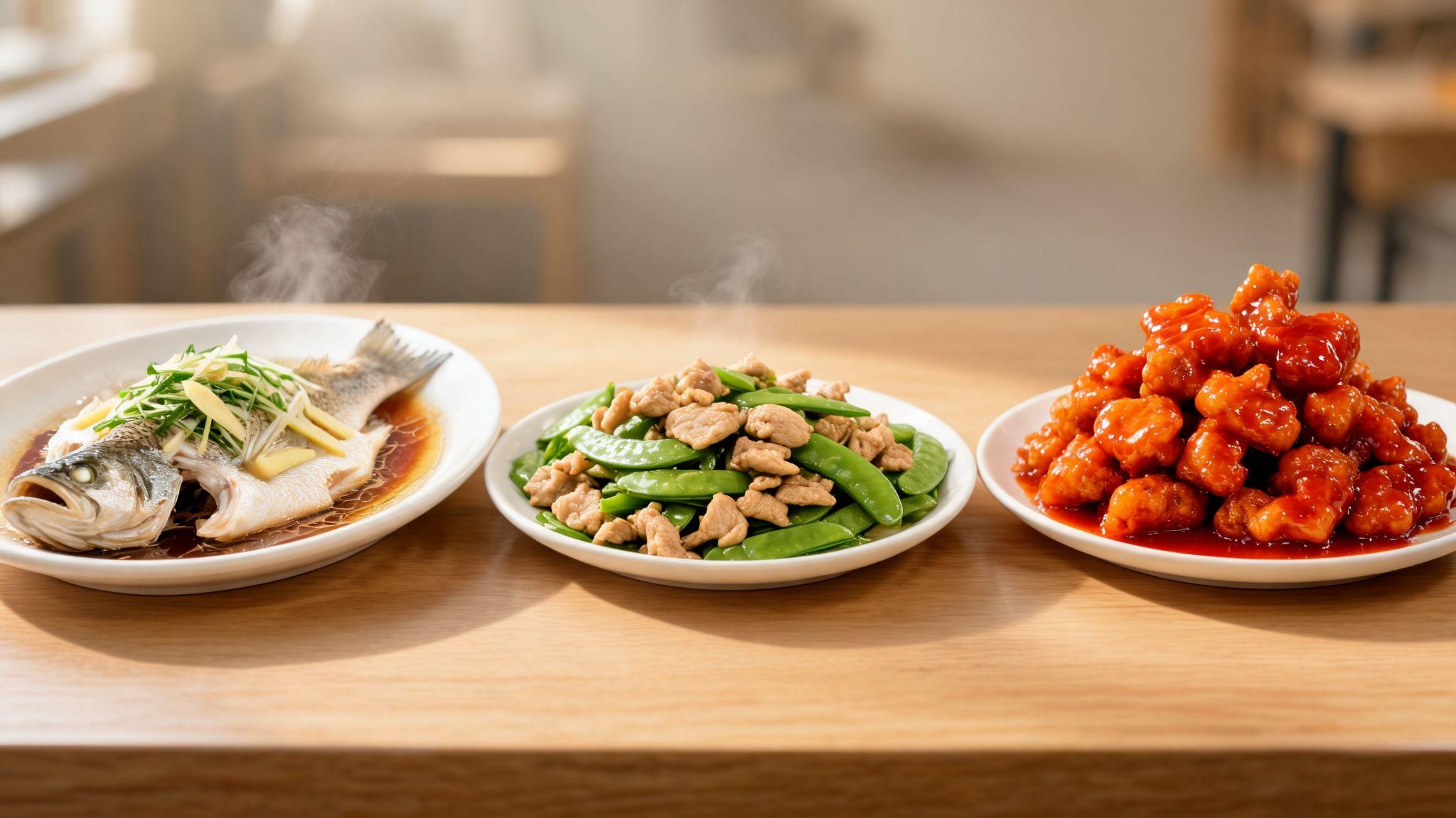
Main dishes cause the biggest swings in a takeout order, so the tables below sort them by calorie range. The figures are typical per-serving estimates, and restaurant portions will push them up or down.
Mains Under 300 Calories
| Dish | Calories | What Drives the Number |
| Steamed fish with ginger and scallion | 200 to 260 | Lean fish, with only finishing oil and soy added |
| Garlic bok choy or Chinese broccoli | 70 to 120 | Nearly all calories come from wok oil |
| Mixed vegetable stir-fry | 150 to 250 | Amount of oil used |
| Lean home-style beef and broccoli | About 250 | Light soy-based sauce, measured oil |
Mains From 300 to 450 Calories
| Dish | Calories | What Drives the Number |
| Chicken with snow peas | About 300 | Oil and sauce amount |
| Braised chicken with mushrooms | 300 to 400 | Broth-based braise adds flavor without much fat |
| Shrimp with lobster sauce | About 400 | One of the better takeout choices despite the rich name |
This tier works well as the centerpiece of a meal because there is still room for rice and a starter.
Light-Looking Dishes That Run Past 700 Calories
| Dish | Calories | Why It Climbs |
| Takeout beef and broccoli (large order) | About 670 | Portion size and oil |
| Eggplant in garlic sauce | About 1,000 | Eggplant soaks up oil |
| Mu shu pork | About 1,000 | Fatty pork, oil, and sauce |
| Orange beef | About 1,000 | Fried coating and over 60g of sugar |
| Sweet and sour pork | About 1,300 | Deep-fried with sweet sauce |
| Combination fried rice | Up to 1,500 | Oil, mixed meats, and a large rice portion |
Mains tell only part of the story, because the starch served beside them can add as many calories as the protein itself.
Rice and Noodle Calories Compared
| Base | Calories | Note |
| Steamed white rice, 1 cup | 200 to 210 | Plain, no sauce |
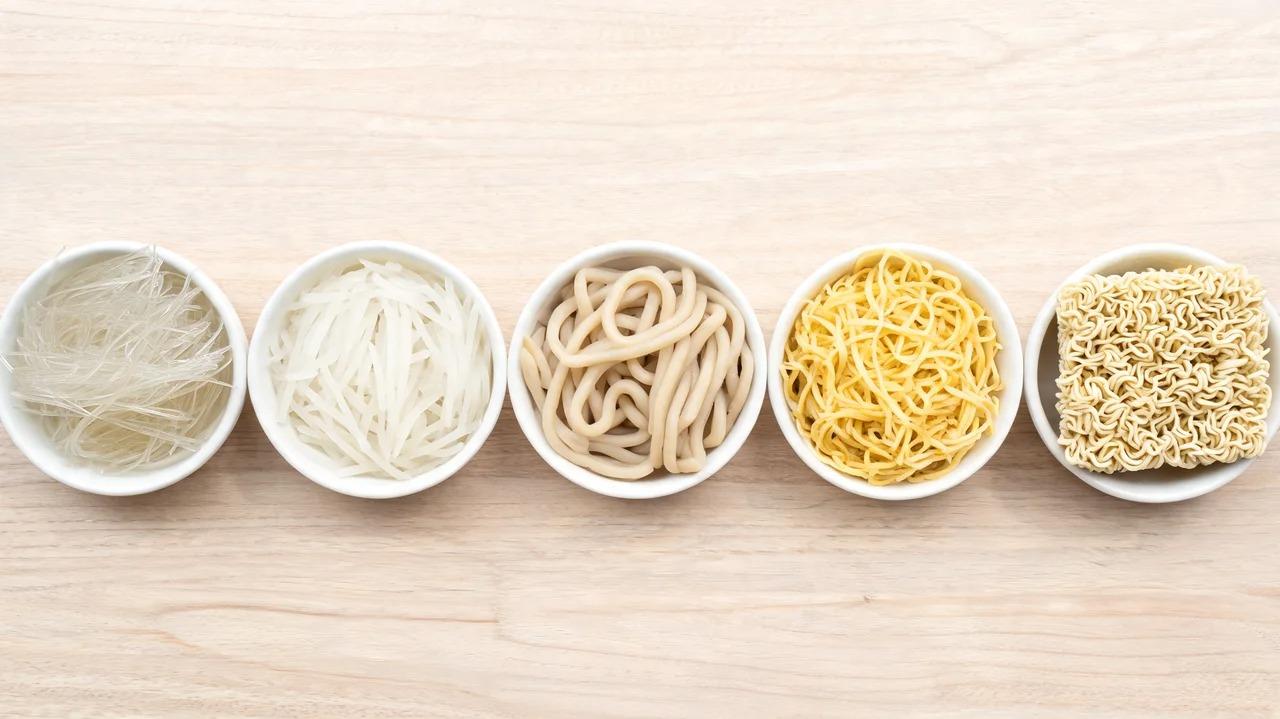
| Plain lo mein noodles, 1 cup | About 200 | Before any sauce is added |
| Steamed rice, one chain serving | About 380 | Panda Express serving size |
| Chow mein, one chain serving | About 510 | Same chain |
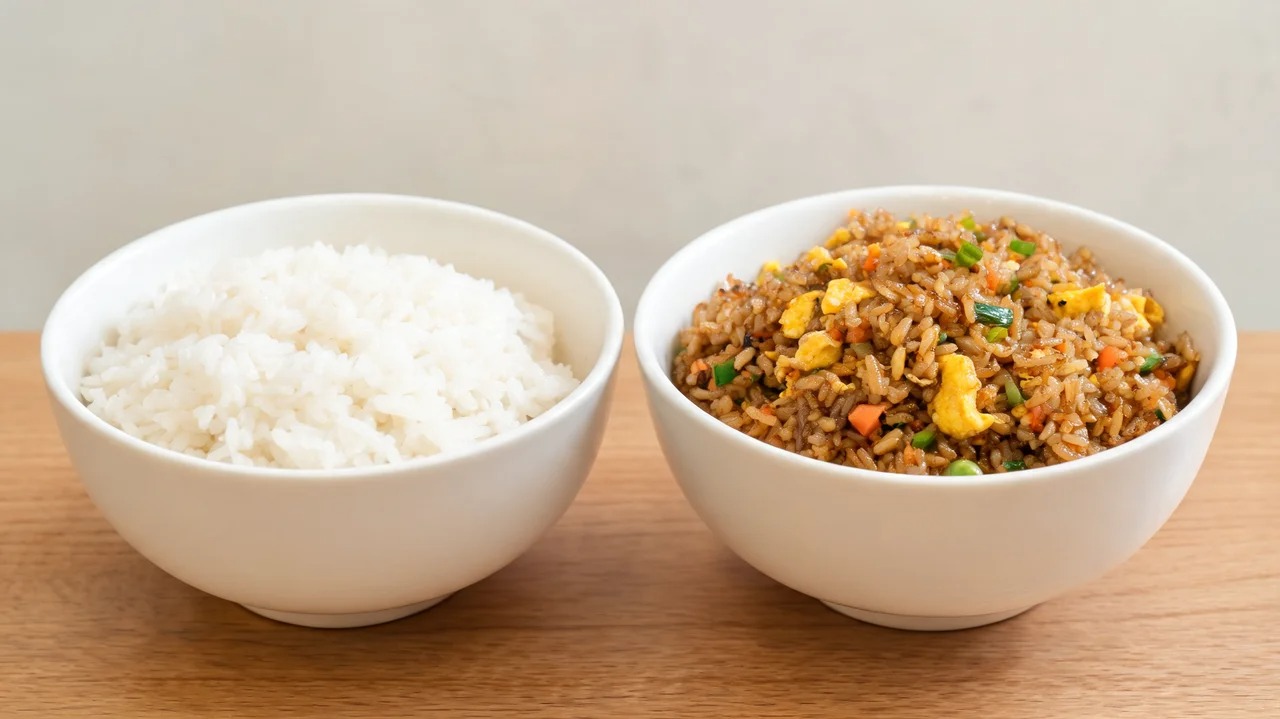
| Fried rice, one chain serving | About 520 | Same chain |
The gap between 205 calories for a cup and 380 for a chain serving shows how much a “single portion” of rice can hold.
Choosing steamed over fried rice at the same restaurant saves well over 100 calories.
Sauces and Add-Ons That Quietly Add Calories
| Item | Calories per Tablespoon |
| Soy sauce | About 10 |
| Oyster sauce | About 10 |
| Hoisin sauce | About 35 |
| Sugar (as in sweet sauces) | About 50 |
| Cooking oil or sesame oil | About 120 |
Soy sauce is low in calories but high in sodium, so the sodium trade-off is covered in the pillar guide linked above.
A fortune cookie adds about 30 calories, which makes it one of the cheaper desserts on the menu.
The oil line is the one to watch, since a stir-fry that finishes with a generous pour can carry several hundred calories before the protein is counted.
Sample Low Calorie Chinese Meals at 400, 500, and 600 Calories
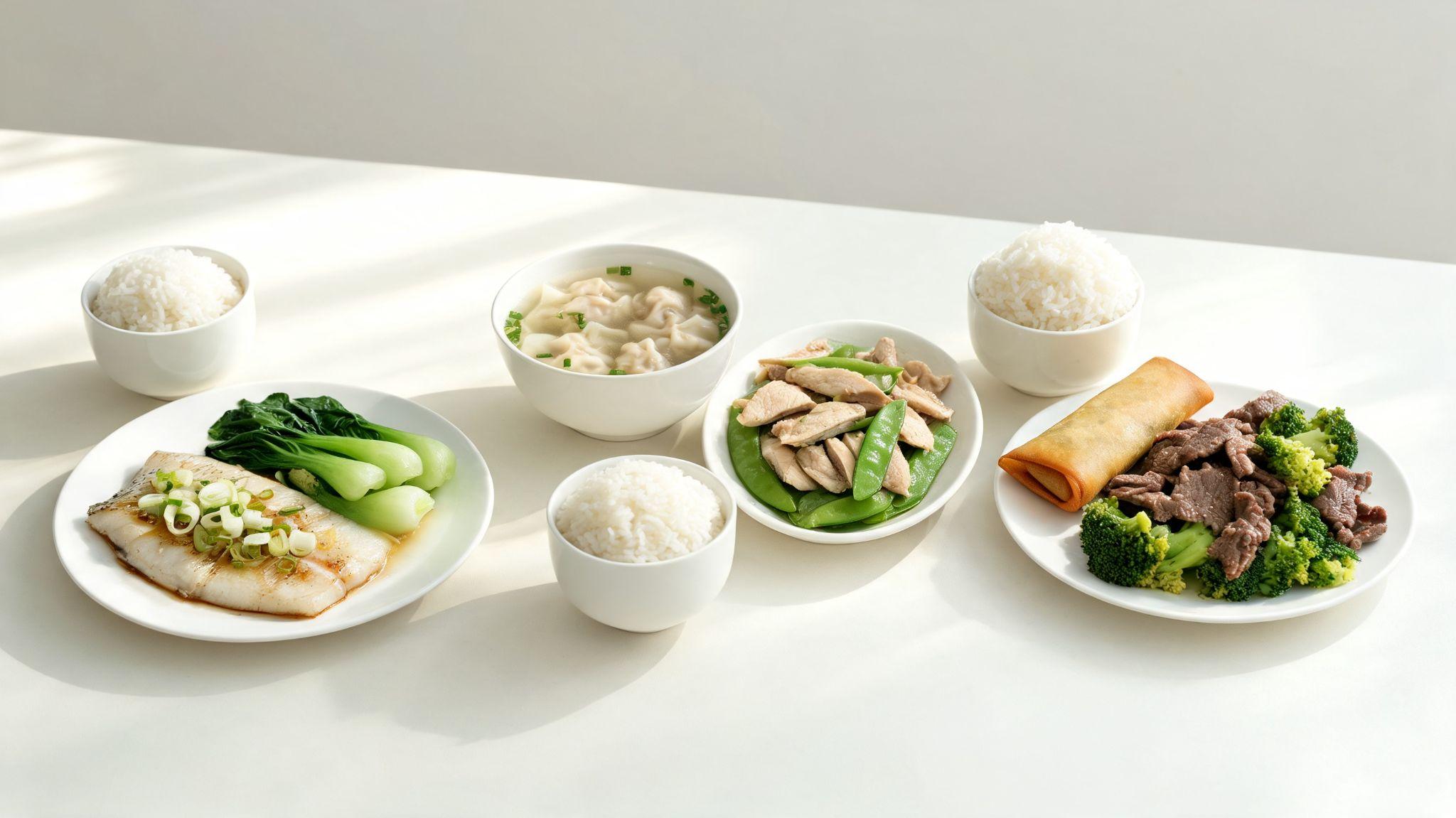
Here are three complete meals built from the figures above. Each total is an estimate, since restaurant portions vary.
| Meal | Starter | Main | Side | Total |
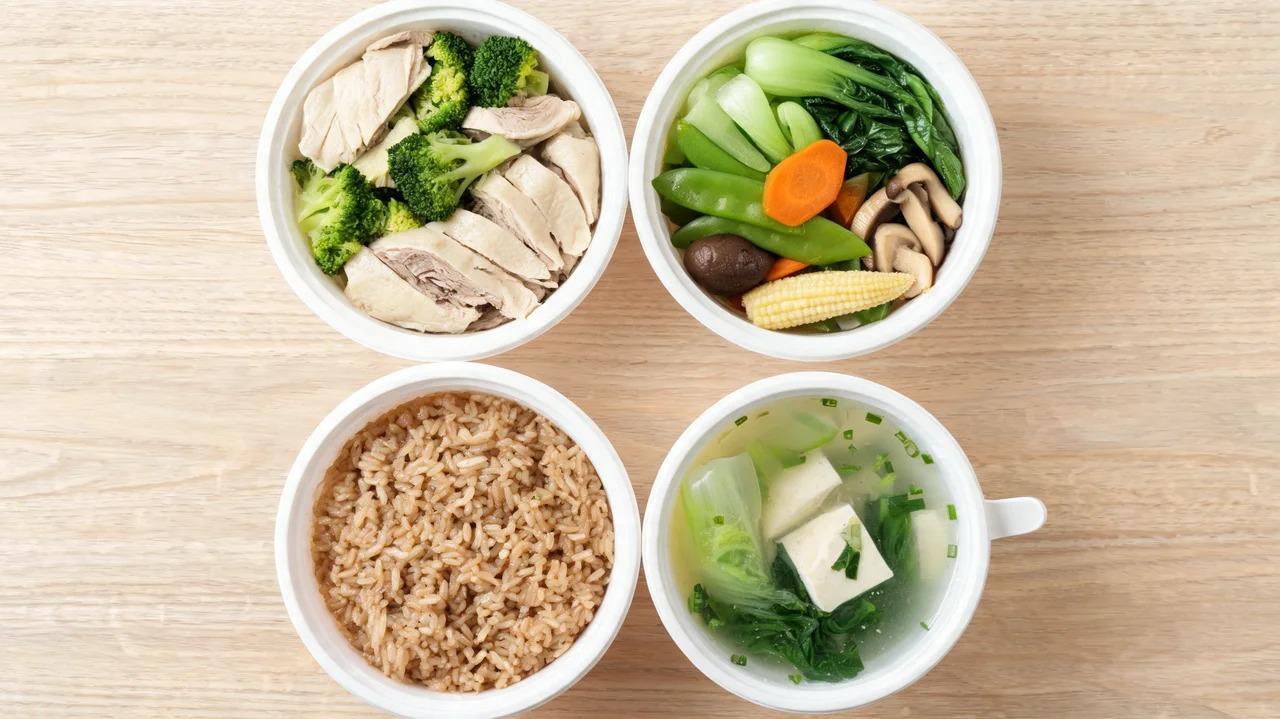
| 400 Calorie Plate | None | Steamed fish with ginger and scallion (about 230) | Garlic bok choy with light oil (about 70) plus half a cup of steamed rice (about 100) | About 400 |
| 500 Calorie Plate | Wonton soup, 1 cup (about 100) | Chicken with snow peas (about 300) | Half a cup of steamed rice (about 100) | About 500 |
| 600 Calorie Plate | One spring roll (about 125) | Lean beef and broccoli (about 250) | 1 cup steamed rice (about 205) | About 580 |
The 600-calorie plate leaves room for a fortune cookie and still sits well below the typical full order, which often runs from 600 to over 1,200 calories.
Can Low Calorie Chinese Food Fit a Weight Loss Plan?
Yes, with one caveat. Weight change depends on your total calorie intake across the day and week, so a single low-calorie meal does not decide the outcome.
Lower calorie Chinese dishes help in three ways:
- The portions stay generous, so the meal still feels full.
- Vegetables add volume without adding many calories.
- Broth soups add fullness before the main course arrives.
If you are following a specific calorie goal or managing a health condition, a registered dietitian or doctor can set a target that fits you.
Lower Calorie Chinese Dishes to Make at Home
Cooking at home gives you control over oil and sugar, the two biggest calorie sources covered above.
| Recipe | Calories per Serving | Compared With Takeout |
| Beef and broccoli, light soy-based sauce | 253 | Under half the 670 takeout average |
| Beef and broccoli, sirloin with seasoning mix | About 286 | Under half the 670 takeout average |
Our [internal link: trimazing chinese recipe] and [internal link: trimazing stir fry recipe] show how to get the same results with everyday ingredients.
Using These Low-Calorie Chinese Food Numbers
So what do the numbers actually tell you? Steamed and broth-based dishes stay under 350 calories, deep-fried and sugar-glazed ones push past 700, and the rice, oil, and sauce around your main decide where the meal lands.
A 400, 500, or 600 calorie plate is straightforward to build once you know what moves the numbers. Low-calorie Chinese food stops being an exception, it becomes just how you order.
Ready to go deeper? Our guide to healthy Chinese food options covers protein, sodium, and the full nutrition picture. Read it next.
Frequently Asked Questions
Are fortune cookies low in calories?
Yes, one fortune cookie has about 30 calories, which makes it a small finish compared with fried desserts. The calories come almost entirely from sugar, so it works best as a single treat at the end of a meal that stayed lean.
Is Chinese food high in calories compared to other takeout cuisines?
It sits in the middle, lighter than American fast food but heavier than most Vietnamese or Japanese options when fried dishes and large rice portions are included.
Can I eat Chinese food every day and still stay in a calorie deficit?
Yes, if you consistently anchor your order around steamed or stir-fried dishes and keep your rice portion to one cup.
Are vegetable-based Chinese dishes always low in calories?
Not always, eggplant in garlic sauce hits around 1,000 calories because vegetables like eggplant absorb cooking oil heavily during preparation.