Not sure what to do with kohlrabi sitting in your fridge? You are not alone. This vegetable looks strange, but it cooks up soft, buttery, and full of flavor once you know the right steps.
This guide walks you through how to saute kohlrabi from slicing it correctly to knowing exactly when it is done.
You will also learn how to cook the greens, try a few tasty variations, and store leftovers the right way.
Every tip here comes from real kitchen trial and error, so the steps below are meant to work the first time, not just in theory.
Why You'll Love This Sauteed Kohlrabi Recipe
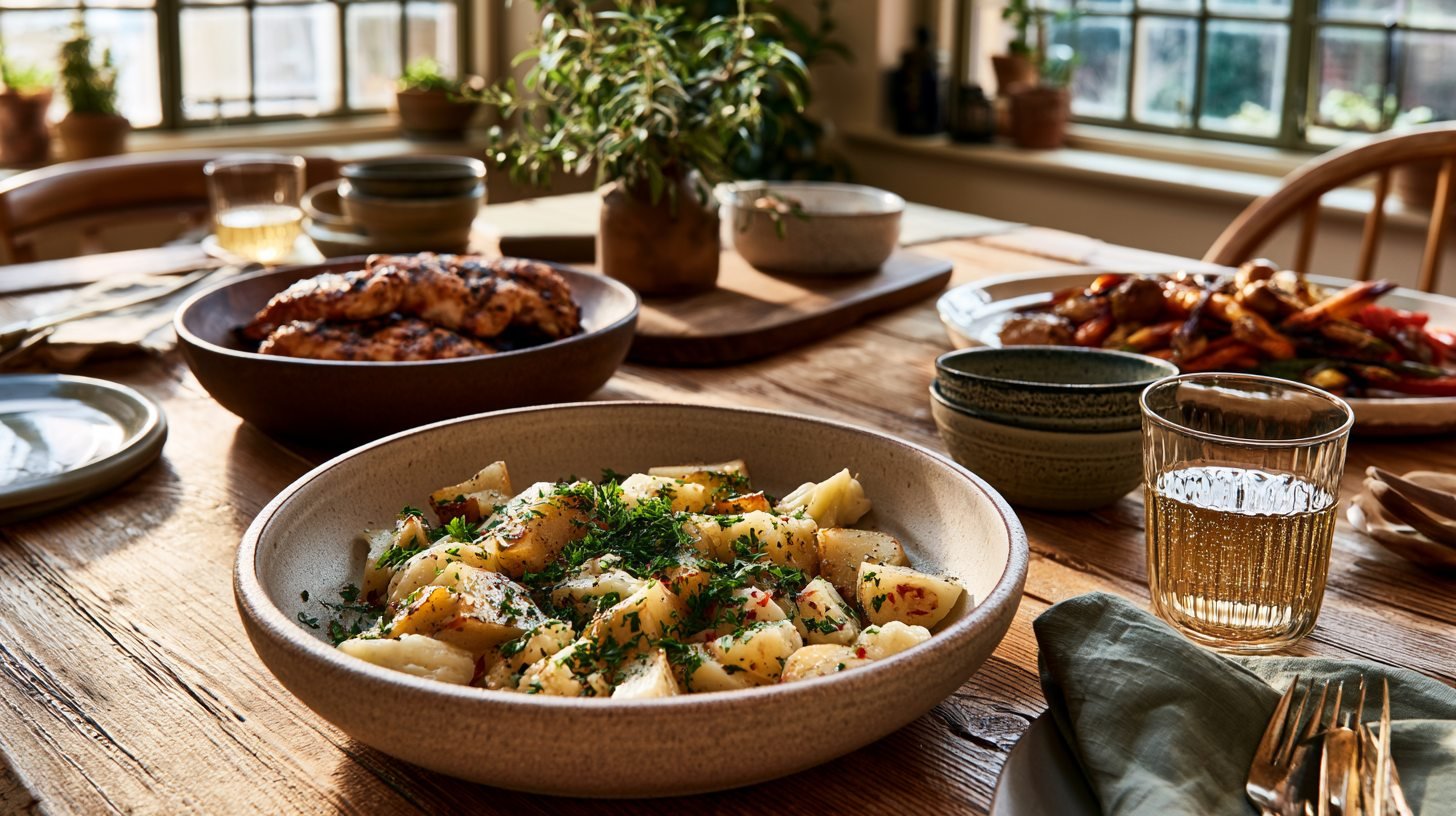
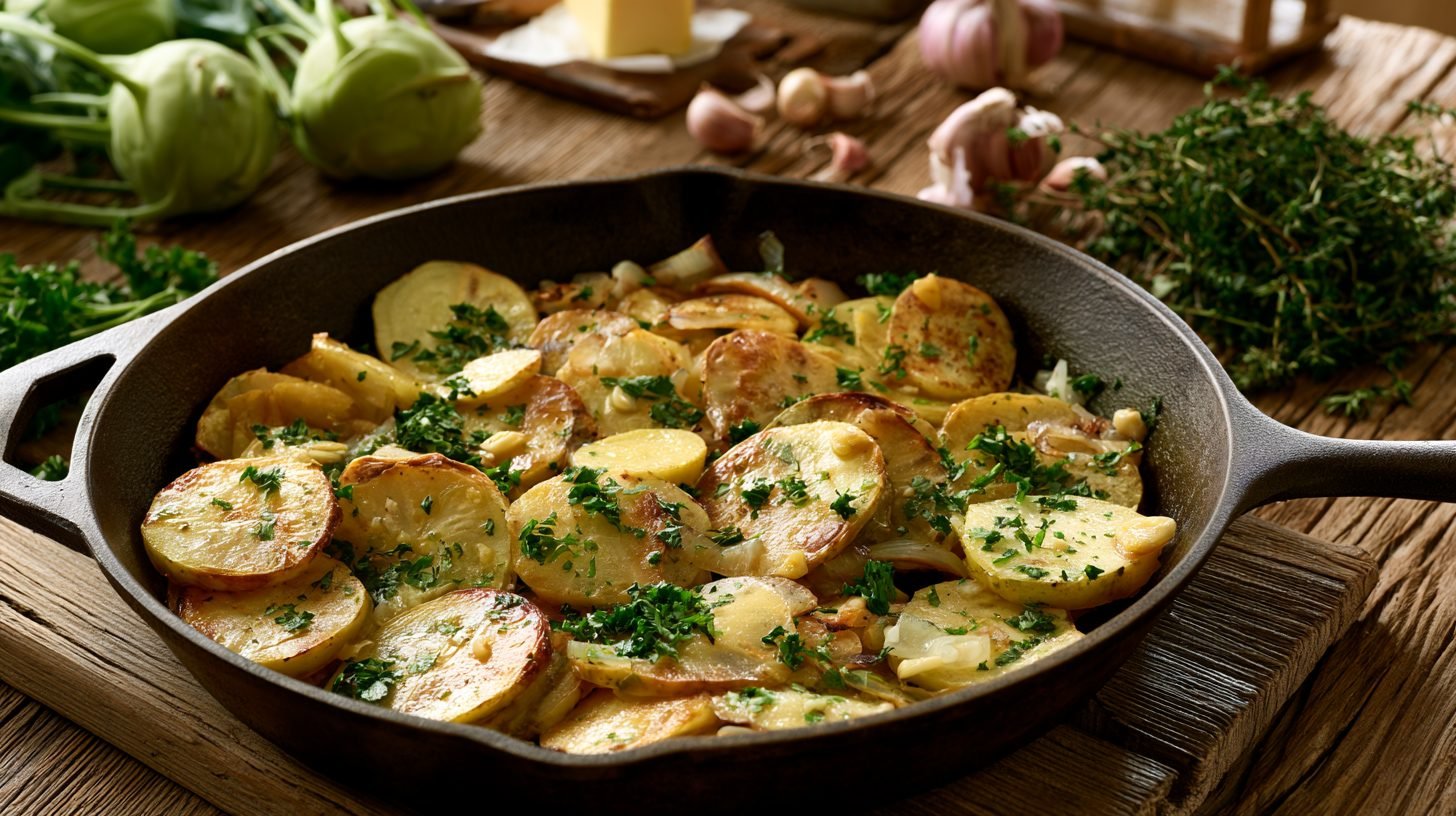
Kohlrabi does not get much attention, but it should. It has a mild, slightly sweet flavor, similar to a cabbage stem but softer. When sauteed in butter or oil, it turns golden and tender in just a few minutes.
This recipe is simple. Peel the kohlrabi, cut it up, and cook it in a hot pan with garlic, salt, and pepper.
Add herbs if you like more flavor. It works well as a side dish for chicken, fish, or a vegetarian meal. It is also quick enough for a weeknight dinner and reheats well the next day.
If you want a change from the usual vegetables, this one is worth trying.
Ingredients You'll Need
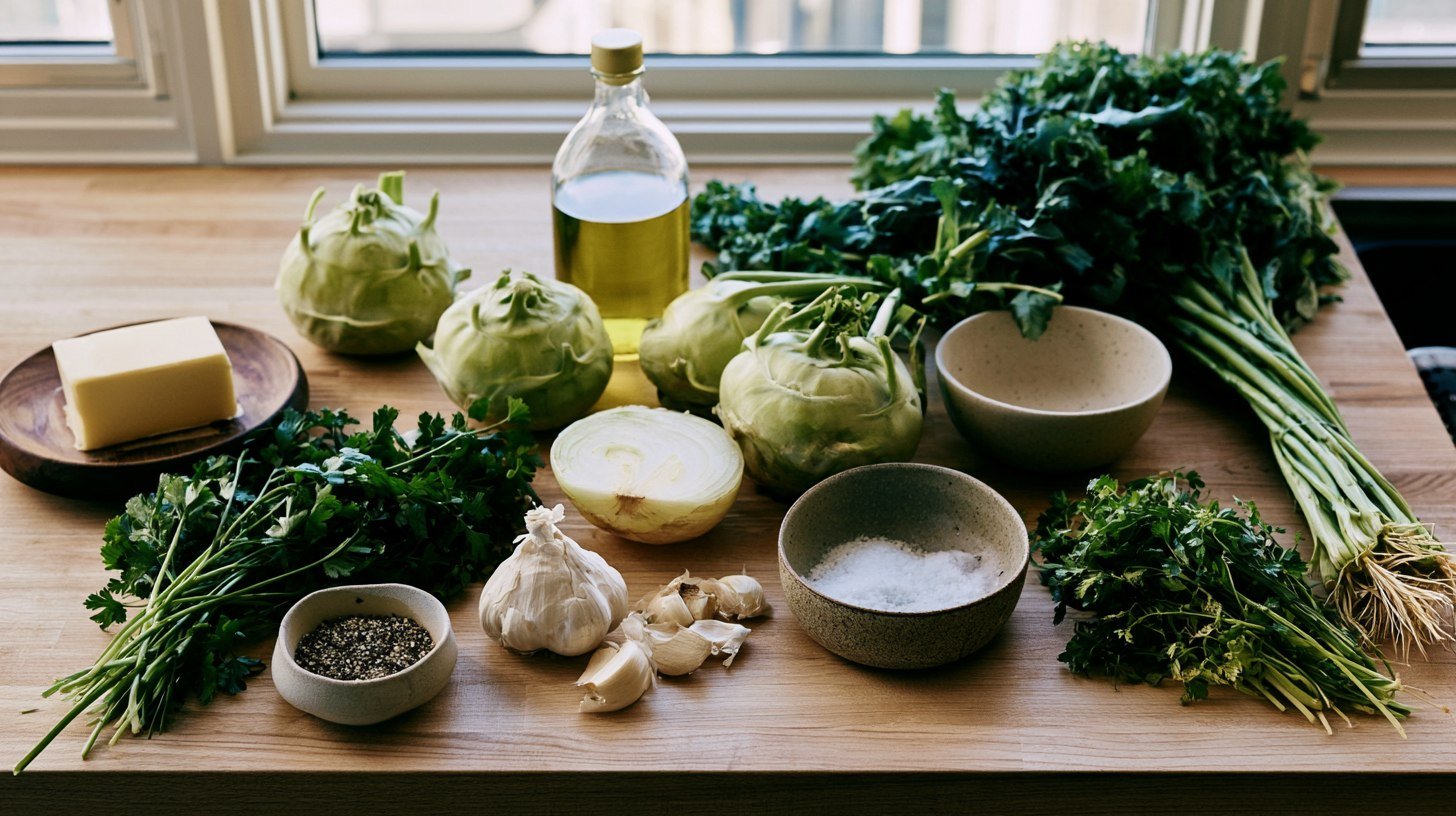
You only need a handful of items for this recipe. These basics come together fast and are easy to find at any grocery store. You can also adjust amounts based on what you already have at home:
- 2 medium kohlrabi bulbs, peeled and sliced
- 2 tablespoons butter (or olive oil)
- 1 small onion, chopped
- 2 cloves garlic, minced
- Salt and black pepper, to taste
- Fresh parsley or chives for garnish (optional)
How to Make Sauteed Kohlrabi? Steps-by-Step
This four-step method turns raw kohlrabi into a soft, golden, buttery side dish in under 30 minutes. Each step is straightforward, and the timing is forgiving.
Whether you are cooking for one or feeding a family, the process stays the same. Read through all the steps once before you start so nothing catches you off guard at the stove.
Step 1: Prepare and Slice the Kohlrabi
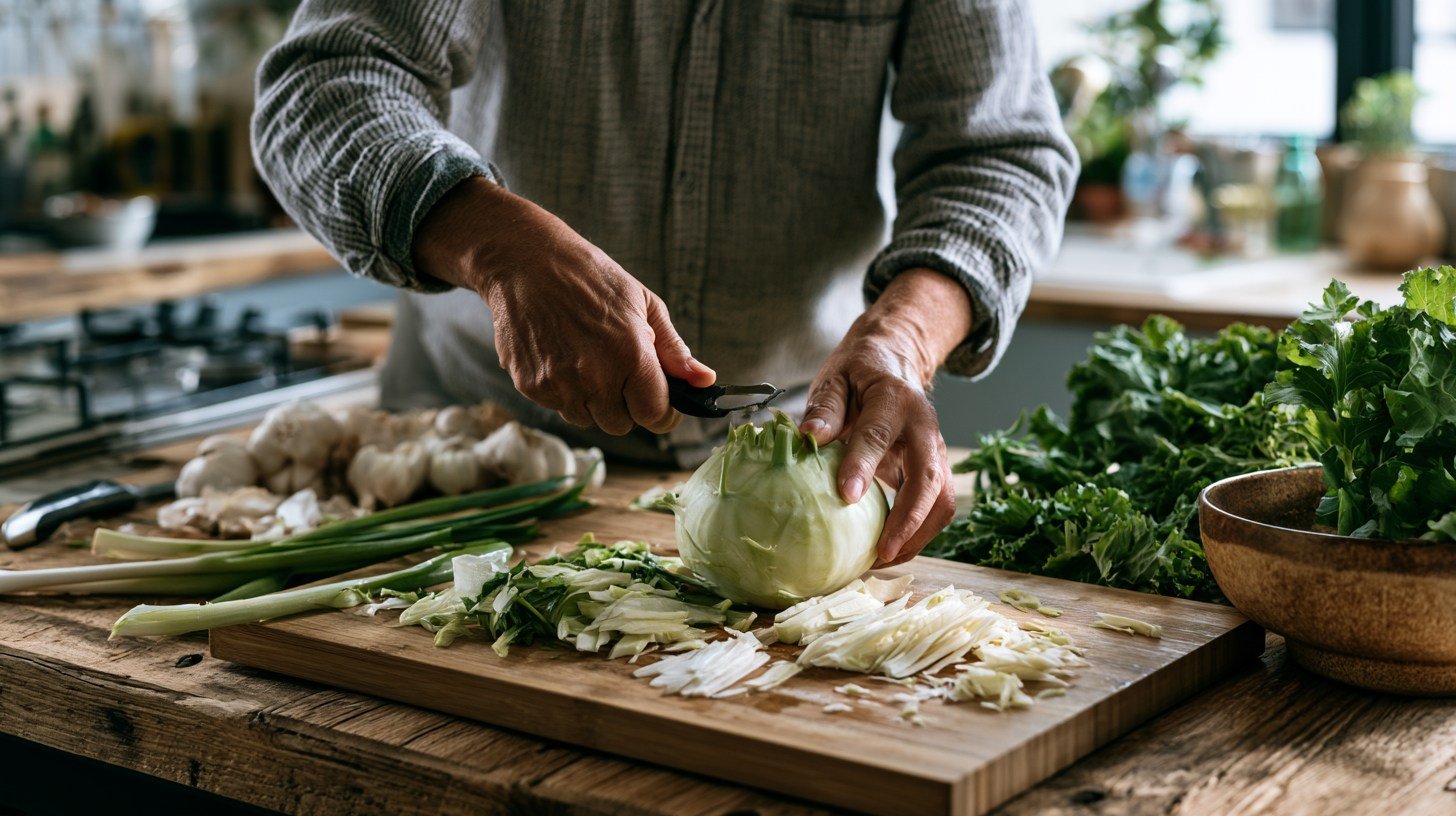
Start by trimming the tough outer skin off the kohlrabi with a sharp knife or vegetable peeler. Cut the bulb in half, then slice it into thin, even pieces about a quarter inch thick.
Thinner slices cook faster and more evenly, so try to keep them consistent. Uneven pieces will leave some soft while others are still firm, which makes timing harder.
Set the slices aside on a clean cutting board until you are ready to add them to the pan.
Step 2: Saute the Onion and Garlic
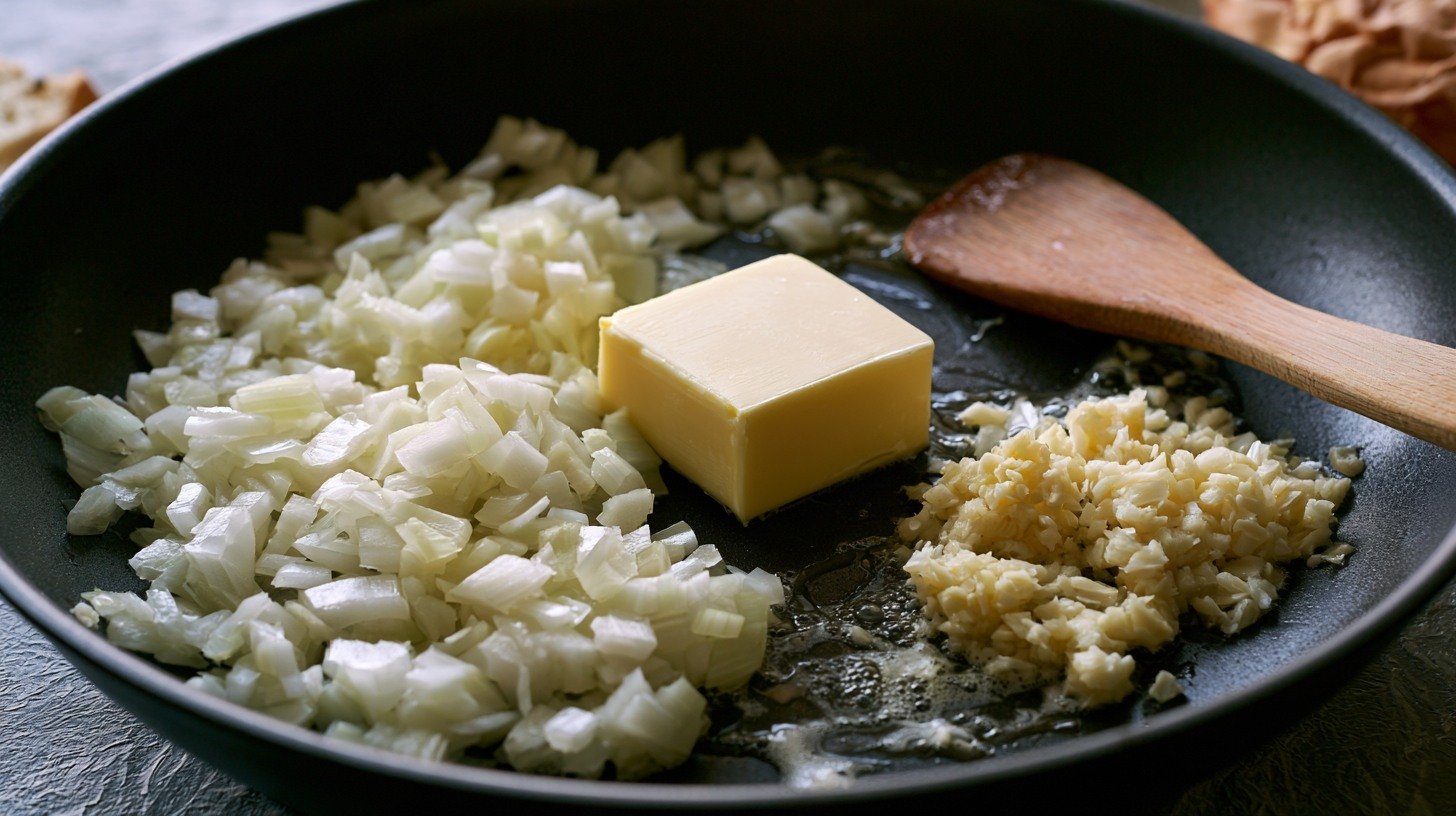
Heat butter or oil in a large skillet over medium heat. Add the chopped onion and cook for about three minutes, stirring occasionally, until it softens and turns slightly translucent.
Stir in the minced garlic and cook for another 30 seconds, just until it smells fragrant.
Do not walk away at this point, because garlic burns quickly and bitter, burned garlic will affect the whole dish. Keep the heat at medium and stir as needed.
Step 3: Cook the Kohlrabi Until Tender
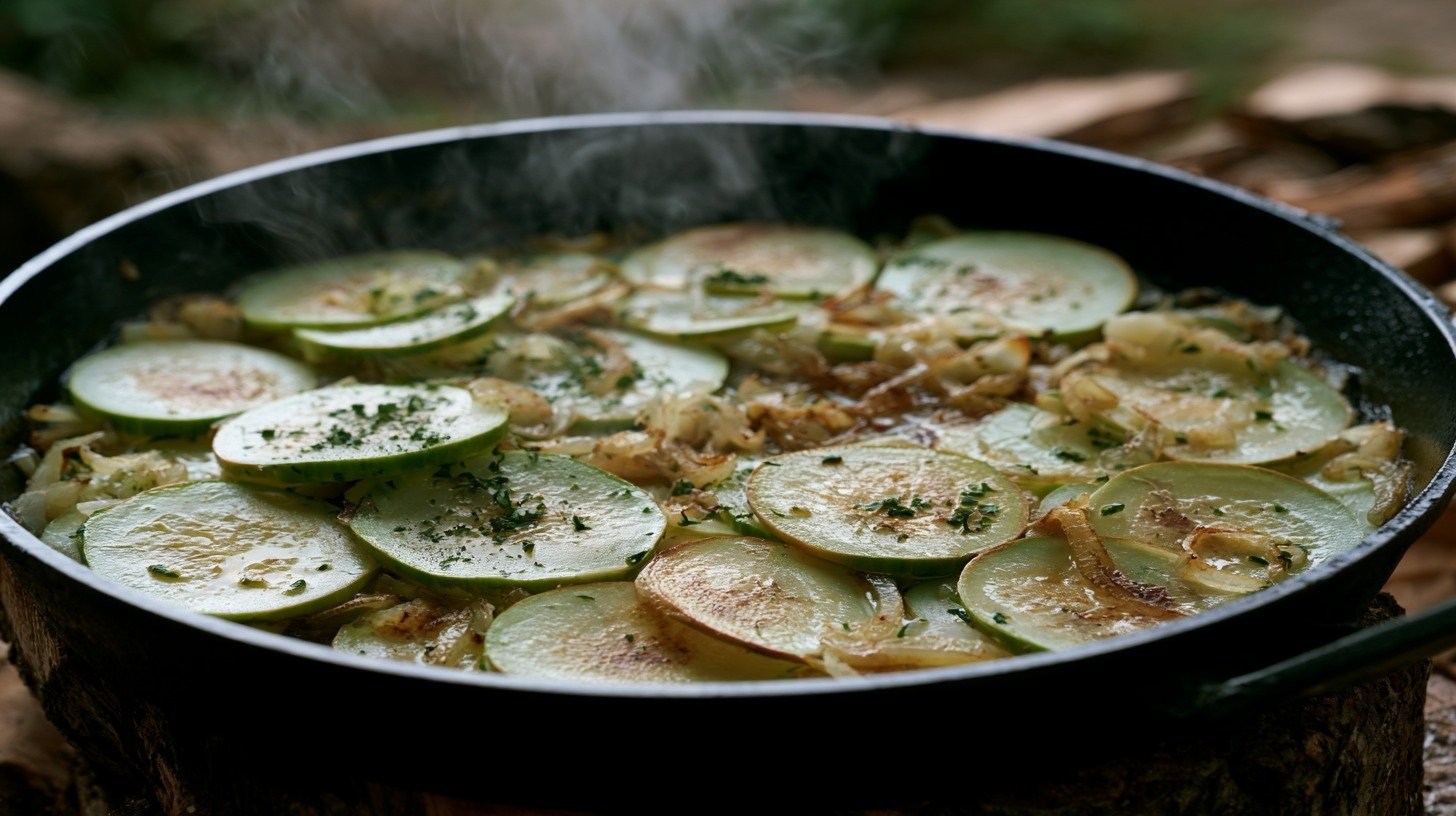
Add the sliced kohlrabi to the pan and stir well so each piece gets coated in the butter and onion mixture.
Cover the pan and cook for 10 to 12 minutes, stirring every few minutes, until the kohlrabi turns tender when pierced with a fork.
If the pan looks dry at any point, add a small splash of water or broth to keep things moving. The goal is a soft texture with light golden edges, not mushy or steamed-looking pieces.
Step 4: Season and Serve
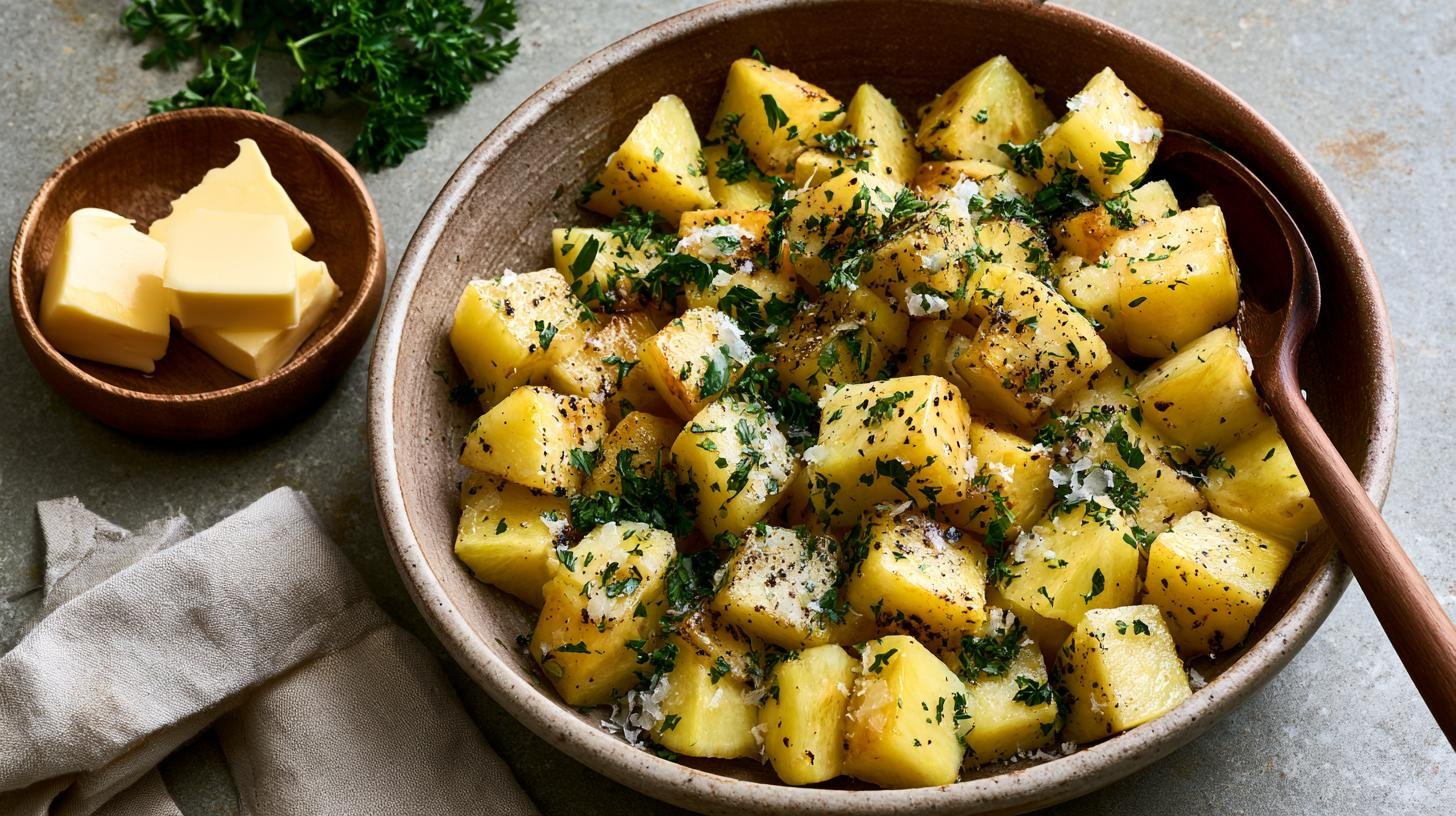
Once the kohlrabi is soft, taste it and season with salt and black pepper. Add a small extra pat of butter for richness if you like.
The butter melts into the kohlrabi and gives it a smooth, savory finish. Top with fresh parsley or chives, then serve warm right from the pan.
This dish holds heat well, so it stays good on the table for several minutes before serving.
Watch It Made: Sauteed Kohlrabi
This video follows the same simple method, peeling and slicing the kohlrabi, then sautéing it until golden and tender. Use it alongside the steps above for a visual guide.
How to Cook Sauteed Kohlrabi Greens
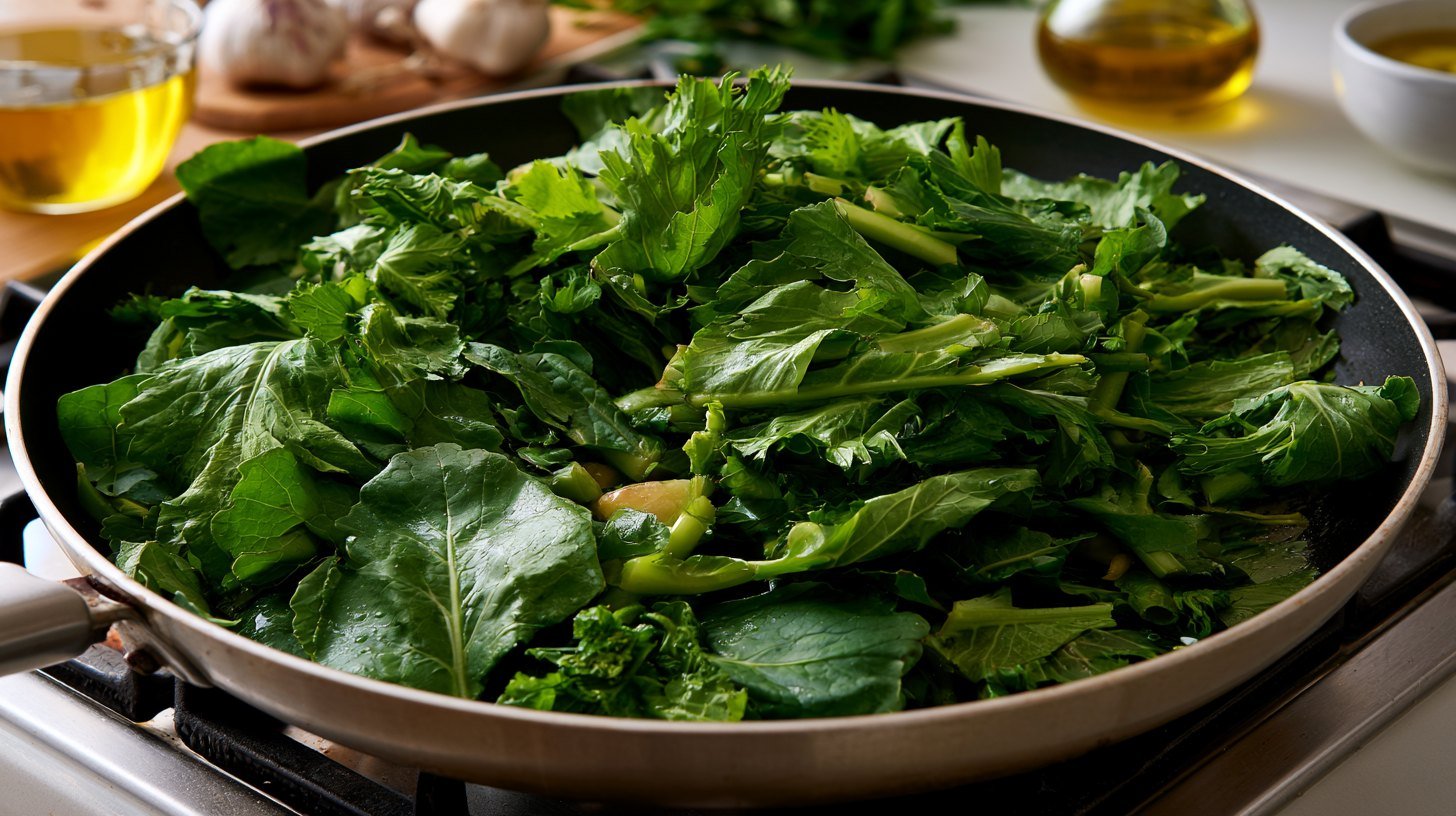
The leaves attached to kohlrabi bulbs are edible and worth cooking instead of throwing away. Most people remove them before cooking the bulb and never think twice, but that is a missed opportunity.
Kohlrabi greens cook quickly and work as a simple side on their own or alongside the sauteed bulb. This section covers everything you need to know to prepare and cook them well.
Can You Eat Kohlrabi Leaves?
Yes, kohlrabi leaves are completely edible and worth using. They taste similar to collard greens or kale, with a mild, slightly peppery flavor that softens during cooking.
Many people discard them without realizing they cook down the same way as any other leafy green. If your kohlrabi came with the leaves still attached, set them aside before you prep the bulb.
They are nutritious, easy to cook, and ready in about five minutes, so there is no reason to waste them.
How to Prepare Kohlrabi Greens
Wash the leaves well under cold running water to remove any dirt or grit hiding in the folds. Trim off the thick central stems, which stay tough even after cooking and are better left out.
Chop the leafy parts into smaller pieces, roughly two inches wide, so they cook evenly.
You do not need to dry them completely, since a bit of water on the leaves helps them wilt down faster in the pan. Once prepped, they are ready to go straight into the skillet.
Tips for Tender Sauteed Kohlrabi Greens
Saute the prepared greens in a bit of butter or oil over medium heat for about five minutes, stirring often, until they wilt and soften.
Add a splash of water or broth if the pan starts to look dry, which helps them steam slightly and cook through without burning. A clove of minced garlic or a squeeze of fresh lemon juice added at the end lifts the flavor noticeably.
Avoid high heat or overcooking, since greens can go from perfectly wilted to mushy and dull in color very quickly.
Watch It Made: Sauteed Kohlrabi Greens
This video shows how to prep and cook the greens quickly in the pan, matching the method described above.
Easy Sauteed Kohirabi Recipe Variations
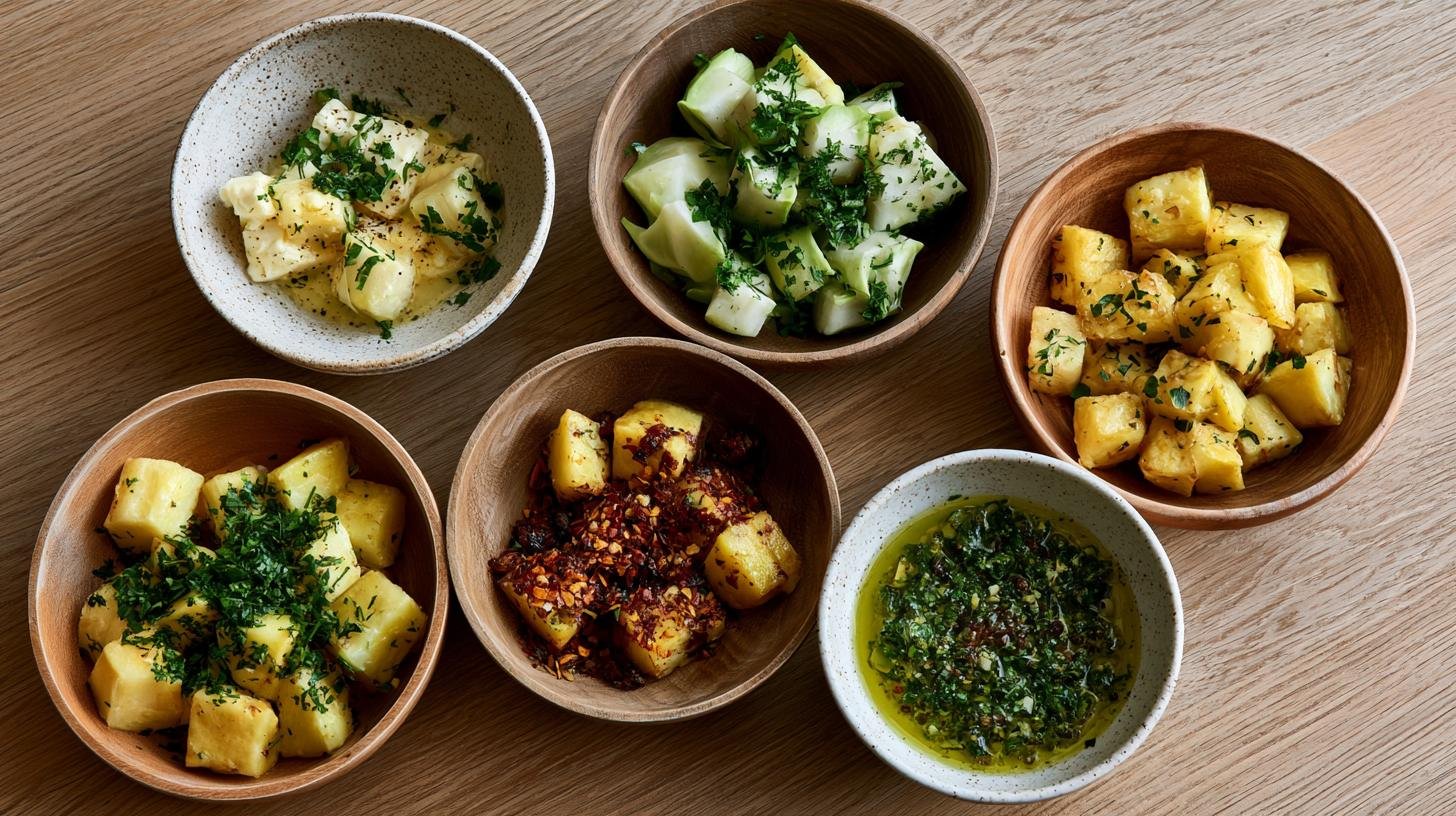
The base recipe is simple, but it also works well as a starting point for different flavor directions. These five variations use ingredients you likely already have on hand.
Each one changes the final flavor in a meaningful way, so pick the one that fits your meal or mood. You can also mix ideas, such as adding lemon and parmesan together, to create your own version.
Garlic Butter Sauteed Kohlrabi
Add one extra clove of minced garlic during the last two minutes of cooking, along with an additional tablespoon of butter. Stir everything together and let it cook for another minute so the garlic softens into the butter without burning.
This version has a richer, more savory flavor that pairs especially well with roasted chicken or a simple grain dish. The extra butter also gives the kohlrabi a glossy finish that looks great on the plate.
Lemon Herb Sauteed Kohlrabi
Squeeze the juice of half a fresh lemon over the finished kohlrabi right before serving, then toss in a tablespoon of chopped fresh herbs. Thyme, dill, or flat-leaf parsley all work well here.
The lemon cuts through the richness of the butter and brightens the whole dish. This version works especially well in spring and summer or alongside seafood.
Use fresh herbs rather than dried for the best flavor, since dried herbs can taste flat when added at the end.
Parmesan Sauteed Kohlrabi
Sprinkle two to three tablespoons of finely grated parmesan cheese over the kohlrabi during the last minute of cooking. Leave the lid off and let the cheese melt slightly into the warm slices before serving.
The parmesan adds a salty, nutty layer that makes this version feel more substantial. It works well as a side for pasta dishes or as part of a vegetarian meal.
Use freshly grated parmesan rather than pre-shredded for better melting and a stronger flavor.
Vegan Sauteed Kohlrabi
Replace the butter with two tablespoons of olive oil or a plant-based butter alternative. The rest of the recipe stays the same.
Olive oil gives the dish a slightly different flavor that is a little lighter and fruitier, while plant-based butter keeps it closer to the original taste.
Either way, the kohlrabi still browns well and picks up the garlic and onion flavors. This version is also naturally gluten-free, so it works for a range of dietary needs without any extra adjustments.
Spicy Sauteed Kohlrabi
Add a quarter teaspoon of red pepper flakes to the pan along with the garlic in step two. You can also add a dash of hot sauce to the finished dish for a different kind of heat.
The spice balances the mild sweetness of the kohlrabi and makes the dish more interesting as a side for bold mains like grilled sausage or spiced chicken.
Start with a small amount and taste as you go, since heat levels vary between brands of red pepper flakes.
What to Serve with Sauteed Kohlrabi
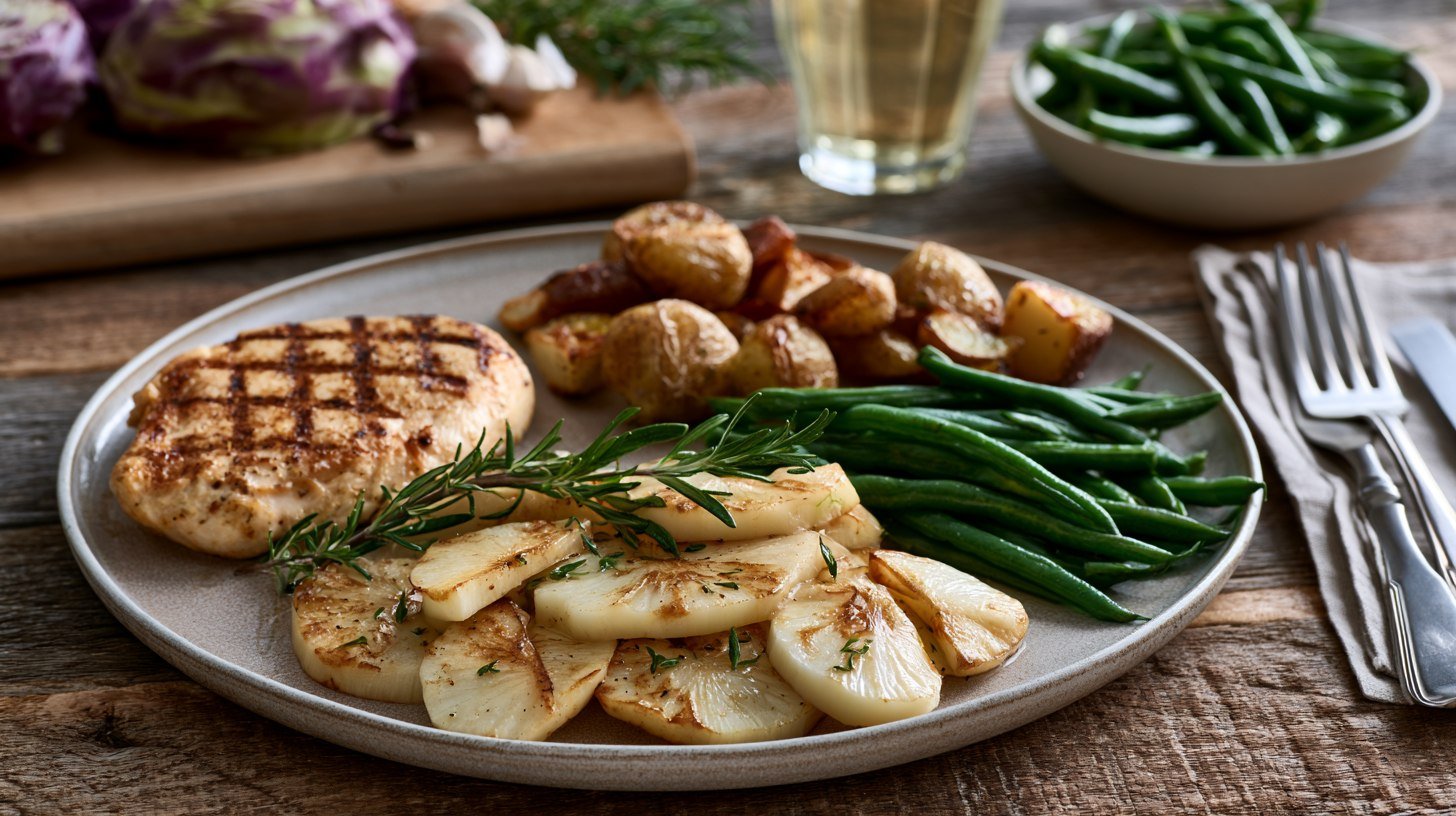
Sauteed kohlrabi is mild enough to pair with almost any main dish, which makes it one of the most flexible sides you can add to your rotation.
Its soft texture and buttery flavor complement both rich and light meals equally well.
Whether you are planning a weeknight dinner or a weekend spread, these pairing ideas will help you build a complete, satisfying plate.
Meat and Seafood Pairings
Sauteed kohlrabi pairs well with roasted chicken, grilled steak, pan-seared salmon, or white fish like tilapia or cod. Its mild flavor sits quietly beside stronger proteins without competing for attention.
The buttery finish also complements the natural juices from roasted or grilled meats.
If you are serving steak, the kohlrabi works as a lighter alternative to heavier sides like mashed potatoes, and it takes about the same amount of time to prepare.
Vegetarian Main Dishes
Sauteed kohlrabi works well alongside grain bowls built on farro, quinoa, or brown rice. It also pairs nicely with lentil soup, roasted chickpeas, or a baked vegetable casserole.
The soft texture of the kohlrabi adds variety to plant-based plates that might otherwise lean too heavily on crunchy or raw vegetables.
For a quick weeknight option, serve it over a bowl of cooked grains with a drizzle of tahini or a squeeze of lemon for a filling meatless meal.
Other Vegetable Side Dishes
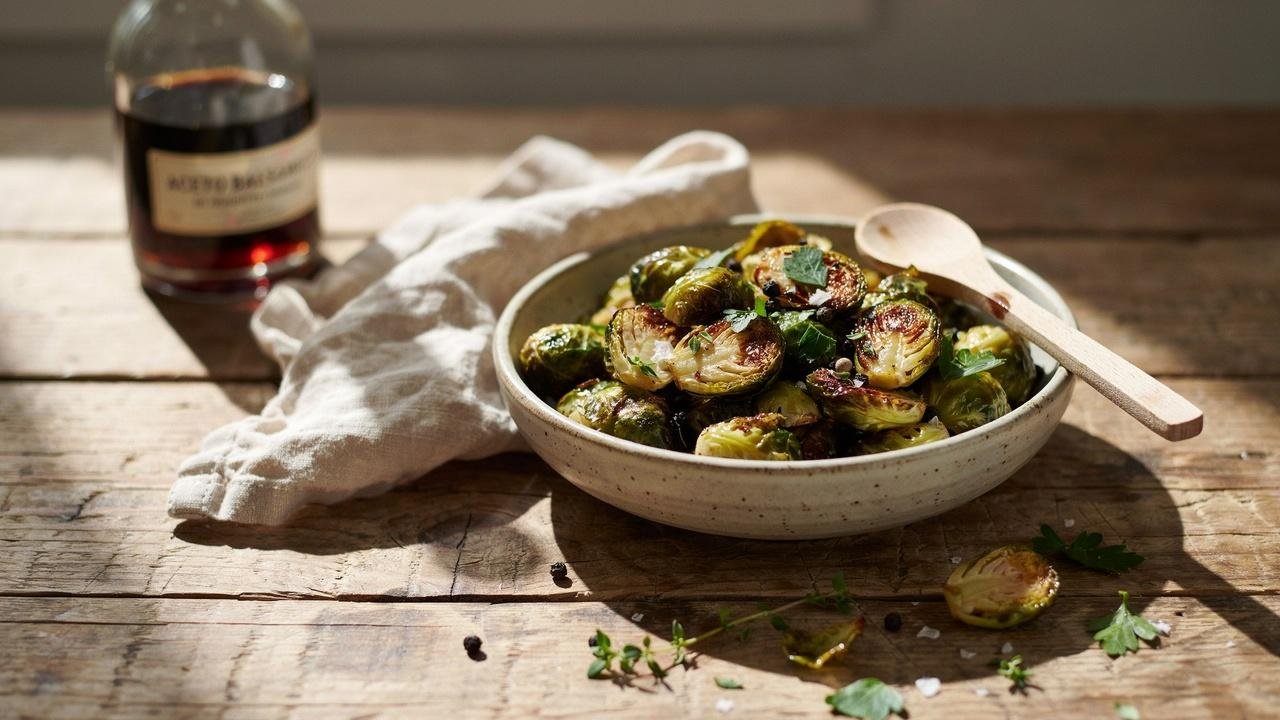
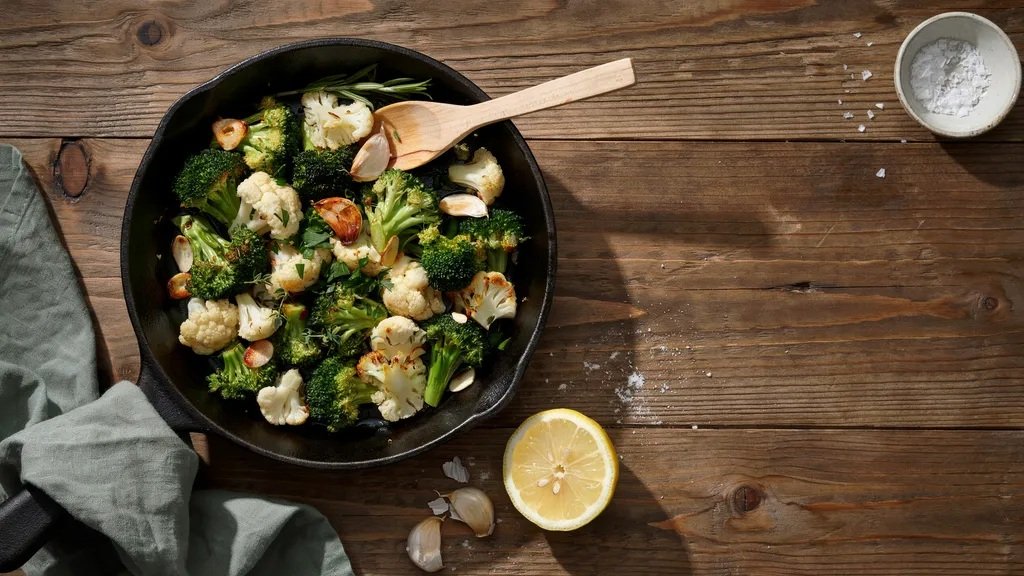
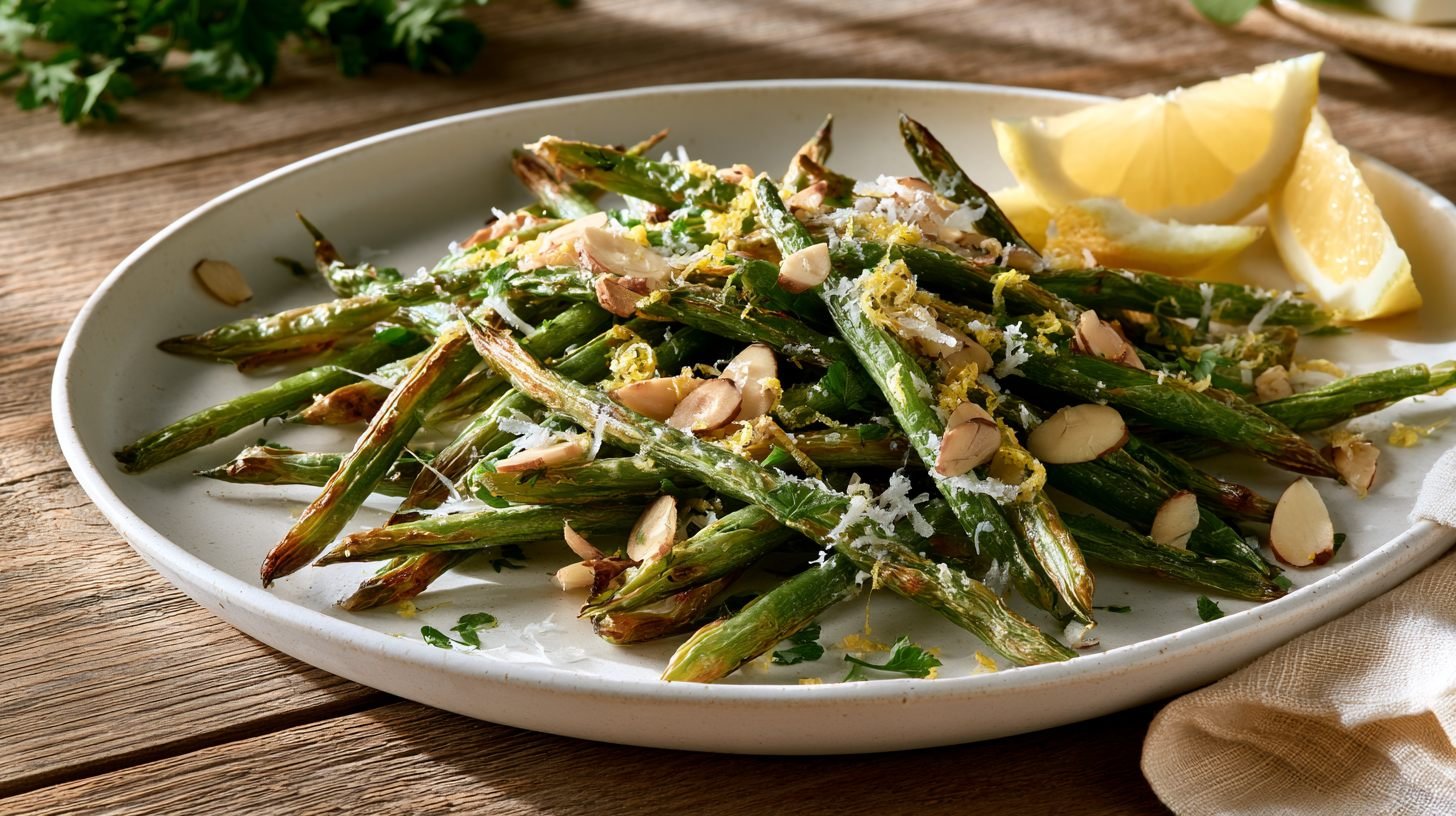
If you want to build a fuller spread of sides, pair kohlrabi with roasted carrots, sauteed green beans, or steamed broccoli. A simple green salad with lemon vinaigrette also works well alongside it.
Combining vegetables with different textures, such as a crunchy salad next to soft sauteed kohlrabi, makes the meal more interesting without much extra effort.
Choose sides that cook at similar temperatures if you are using the oven for other parts of the meal so everything finishes around the same time.
Storage, Reheating, and Make-Ahead Tips
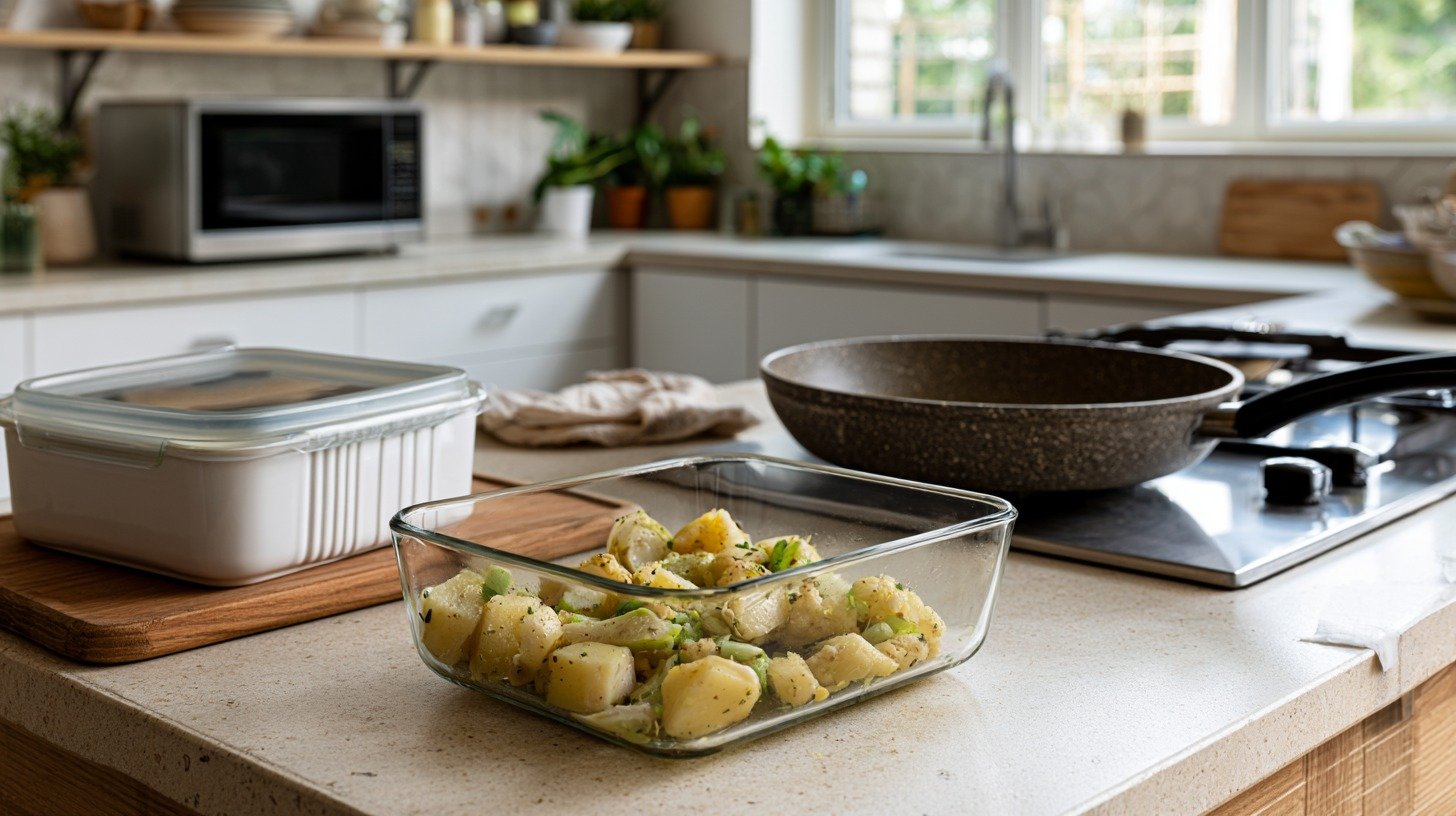
Sauteed kohlrabi stores well, which makes it a practical choice for meal prep or cooking ahead for busy weeknights.
Knowing the right way to store and reheat it keeps the texture from turning soft or watery.
This section covers how long it lasts in the fridge, the best reheating method, and what to expect if you decide to freeze it.
How to Store Leftovers
Let the sauteed kohlrabi cool to room temperature before storing it. Transfer it to an airtight container and place it in the refrigerator. It will stay fresh for up to four days.
Storing it while still hot can create condensation inside the container, which makes the kohlrabi soggy and affects both texture and flavor.
Label the container with the date so you know exactly how long it has been sitting in the fridge.
How to Reheat Without Losing Texture
The best way to reheat sauteed kohlrabi is in a skillet over medium heat. Add a small amount of butter or oil to the pan, then add the leftovers and stir occasionally for three to four minutes until warmed through.
This method keeps the texture soft without making it watery. Avoid using a microwave if possible, since it tends to release moisture from the kohlrabi and makes the pieces limp rather than tender.
If you are short on time, a microwave works in a pinch, but spread the pieces out and heat in short 30-second bursts.
Can You Freeze Sauteed Kohlrabi?
Yes, you can freeze sauteed kohlrabi, though the texture softens somewhat after thawing. To freeze it, let the kohlrabi cool completely, then transfer it to a sealed freezer-safe container or zip-lock bag with as much air removed as possible.
It keeps well for up to two months. When you are ready to eat it, reheat directly from frozen in a skillet over medium heat rather than thawing it in the fridge first.
Thawing releases extra moisture, which makes the pieces harder to brown. Frozen kohlrabi works best in dishes where softer texture is fine, like soups or stir-fries.
Tips for Perfect Sauteed Kohlrabi Every Time
A few small adjustments at each stage can make a noticeable difference in the final result. Keep these points in mind, especially the first few times you make this recipe:
- Slice the kohlrabi into pieces of similar thickness, around a quarter inch, so everything cooks at the same rate.
- Use a wide, heavy skillet. Cast iron or stainless steel holds heat well and helps the kohlrabi brown instead of steaming in its own moisture.
- Cook slices for 10 to 15 minutes depending on thickness. Thinner pieces cook faster, while thicker chunks need a few extra minutes.
- Check doneness with a fork. It should slide through with little resistance.
- Look for a light golden color on the edges and a texture that is soft but not falling apart.
Conclusion
Kohlrabi is an easy vegetable to get comfortable with once the basic steps click, and this recipe covers everything needed to get it right on the first try. A little garlic and butter go a long way toward turning it into a favorite quick side.
Drop a comment below if you try this sauteed kohlrabi recipe, share this post with a friend who loves trying new vegetables, and check out the related side dish recipes while you are here.
Frequently Asked Questions
How long does it take to saute kohlrabi?
Sauteed kohlrabi usually takes about 10 to 15 minutes, depending on how thick you slice it. Thinner pieces cook faster and turn tender sooner. If your slices are closer to a half inch thick, expect them to need the full 15 minutes or slightly longer.
Covering the pan for the first part of cooking helps speed up the process by trapping heat and moisture around the pieces.
Do you need to peel kohlrabi before cooking?
Yes, the outer skin is tough and fibrous, so peeling it first is necessary. A sharp knife works better than a standard vegetable peeler for most kohlrabi because the skin can be thick and uneven.
Cut off the top and bottom, then stand it upright and slice the skin off in downward strips. Once peeled, the flesh underneath is pale green or white and ready to slice and cook.
Can you eat kohlrabi raw?
Yes, kohlrabi can be eaten raw and has a mild, slightly sweet crunch similar to a water chestnut or fresh broccoli stem. Many people enjoy it thinly sliced in salads, cut into matchsticks for dipping, or shaved into a slaw with a light vinaigrette.
Raw kohlrabi holds its shape well and does not brown after cutting, which makes it a practical option for prepping ahead.
What does kohlrabi taste like?
Kohlrabi tastes like a mild cross between broccoli stems and cabbage, with a slightly sweet, fresh flavor when raw. Cooking it changes the texture and brings out a softer, more buttery taste that is less sharp than raw cabbage.
Most people who say they do not like kohlrabi have only tried it raw or overcooked. Sauteed kohlrabi cooked to the right tenderness is much more approachable and pairs well with simple seasonings like garlic, salt, and butter.
Can you use frozen kohlrabi for this recipe?
Frozen kohlrabi can work in this recipe, but it requires a few adjustments. Frozen pieces tend to release more water as they cook, which can cause them to steam rather than saute and makes browning harder to achieve.
Pat the pieces dry with a paper towel before adding them to the pan and cook them a bit longer than the recipe calls for. Using a wider pan with more surface area also helps the moisture evaporate faster so the kohlrabi can develop some color.