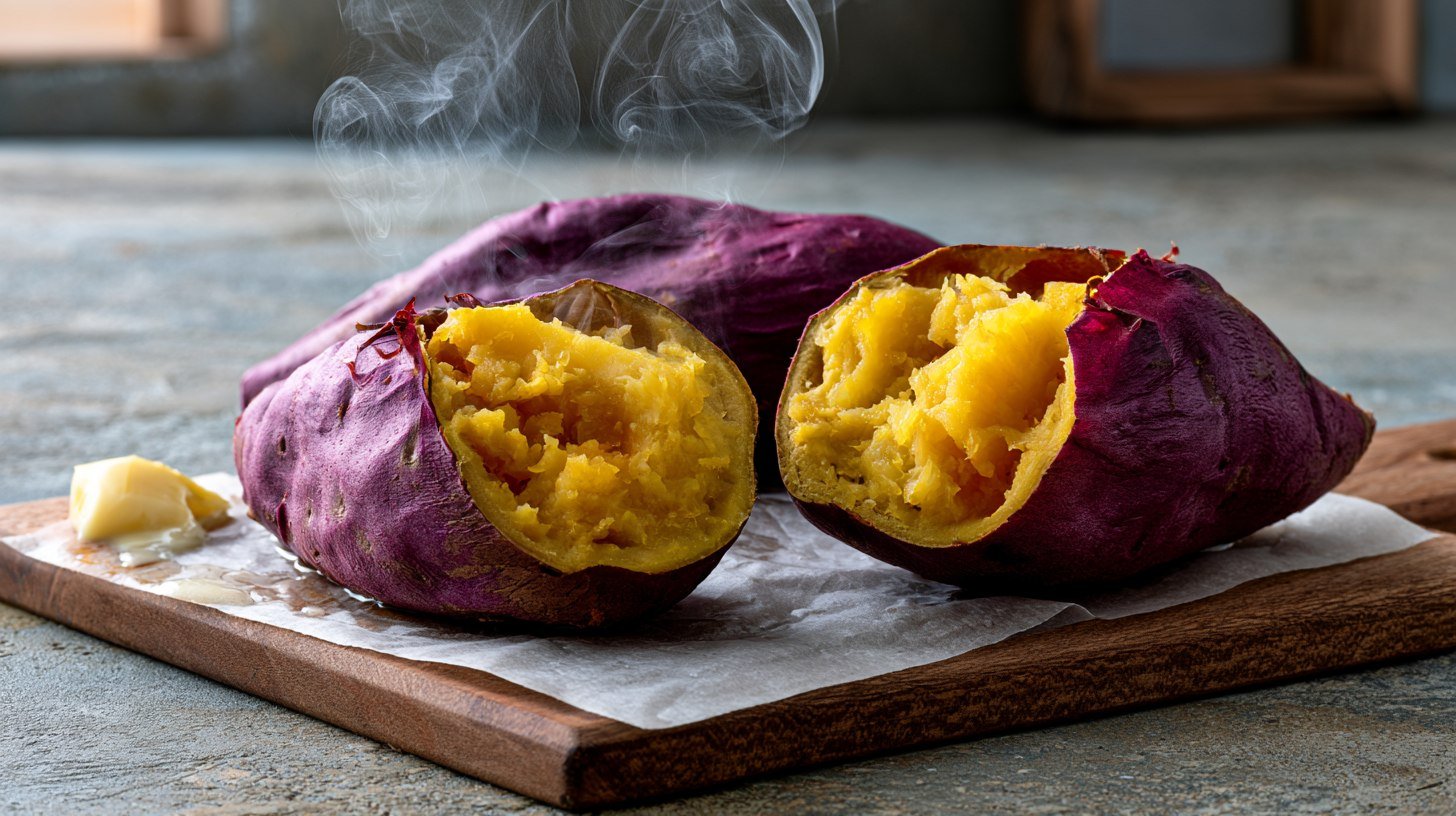
I still remember the first time I baked a Japanese sweet potato. The skin turned deep purple, the inside went soft and golden, and one bite tasted like caramel. If you want that same result, you are in the right place.
In this post, I will show you how to bake Japanese sweet potatoes so they come out soft, jammy, or fluffy, depending on what you like.
I will walk you through the right temperature, the right timing, and the small tricks that make a big difference.
I have baked these more times than I can count, and I know the common mistakes too. So let's get your potato in the oven and get it right the first time.
What Are Japanese Sweet Potatoes?
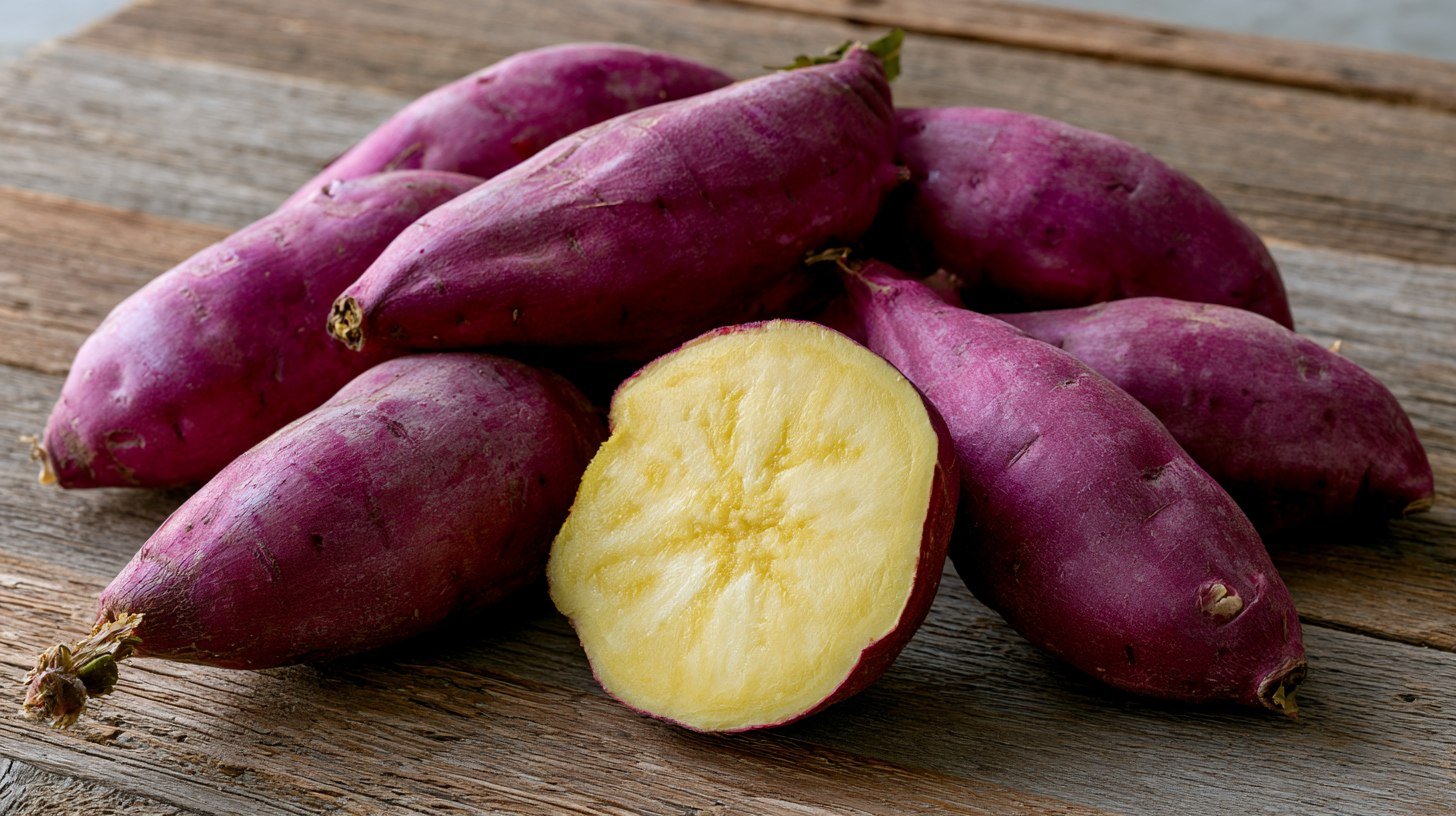
Japanese sweet potatoes have purple skin and pale yellow flesh. They taste sweeter and richer than the orange kind you see in most stores.
When baked, the natural sugars caramelize, giving you that deep, almost dessert-like flavor. I always look for firm potatoes with smooth skin and no soft spots.
They are naturally sweet, so you don't need sugar or syrup. The texture can go creamy, jammy, or fluffy based on how you bake them.
Plus, they only need a few minutes of prep. I make a batch on Sunday and snack on them all week.
Quick Facts
These numbers are based on a medium Japanese sweet potato baked plain with no added oil or toppings. Cook time varies depending on the oven temperature you choose and the size of your potato.
| Prep Time | 5 minutes |
| Cook Time | 40 to 90 minutes (varies by temperature) |
| Total Time | 45 to 95 minutes |
| Servings | 2 to 4 |
| Calories | Approx. 130 to 160 kcal per medium potato (plain, no oil) |
| Best Oven Temp | 375°F for everyday baking; 325°F for maximum sweetness |
Ingredients You'll Need
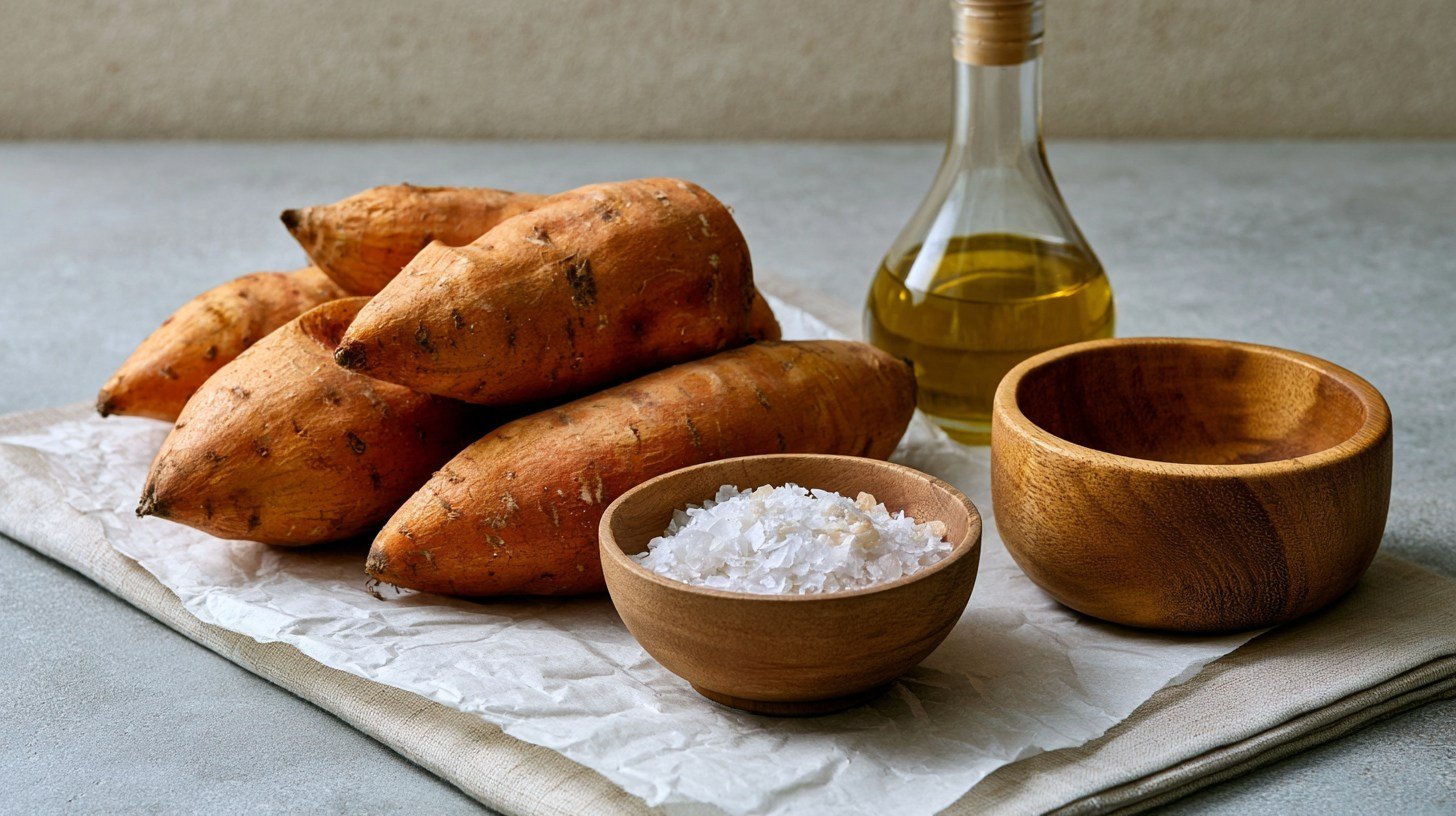
You only need a few things for this recipe. Grab two to four Japanese sweet potatoes that are close in size, so they cook evenly.
Olive oil is optional, but it helps the skin turn crispy and golden. Sea salt is optional too, for a little extra flavor on the outside. That's really it.
No fancy ingredients required, no long shopping list, just simple pantry staples you probably already have at home.
This makes the recipe easy to start anytime you get a craving.
Tools You'll Need
A few basic kitchen tools make the whole process smoother and help you get the texture you want every single time.
- Baking Sheet:A sturdy sheet pan holds the potatoes steady while they bake. It also catches any sugar that drips out as the potatoes cook, keeping your oven clean and your baking process simple.
- Aluminum Foil (Optional):Foil helps trap steam for a softer texture, though it's not a must. Lining your tray with foil also makes cleanup faster, since sticky drips won't stick directly to the pan.
- Fork or Skewer:Use this to poke holes before baking and to check doneness later. It's a quick way to release steam early and test softness once the potato is close to done.
- Wire Rack vs. Baking Tray:A wire rack lets air move around the potato, which gives crispier skin. A flat tray works fine too, just expect slightly softer skin. Either option gets the job done well.
How to Bake Japanese Sweet Potato: Temp and Texture
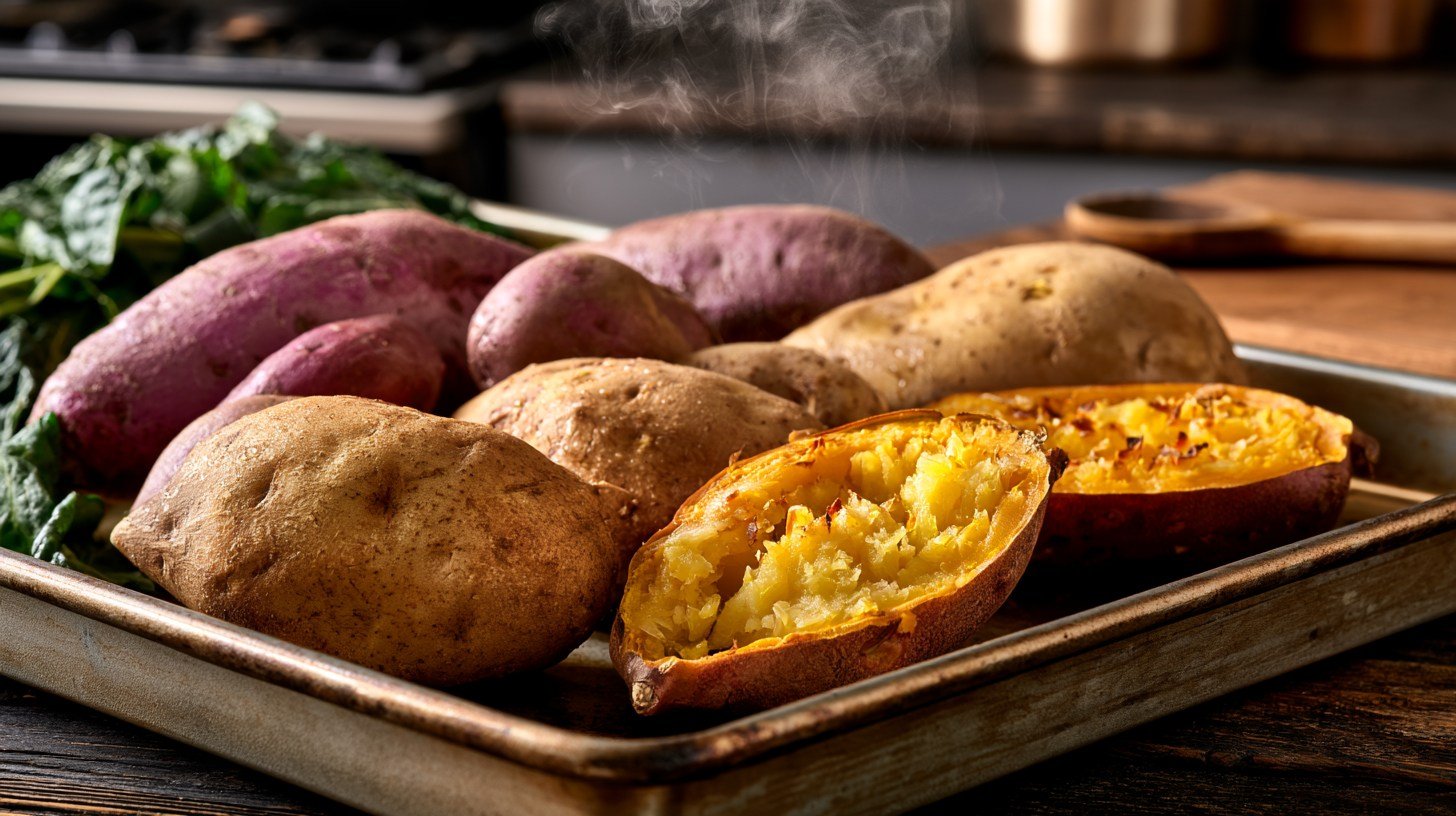
The steps stay the same no matter which texture you want, only the temperature changes.
Start by washing and scrubbing the potatoes under running water to remove any dirt, then pat them dry with a towel.
Poke a few holes in each one with a fork so steam can escape, place them on a lined tray, and put them in a preheated oven.
Check doneness by inserting a fork into the thickest part. It should slide in with no resistance at all.
325°F: Jammy and Caramelized (75 to 90 minutes)
Low, slow heat breaks down the starches into sugar over time. You'll often see syrup bubbling out of the skin near the end, which is a good sign. The result is a dense, sticky-sweet center that tastes almost like dessert.
This is the best method if maximum sweetness is your goal, and it's worth trying at least once even if you're used to a faster bake.
375°F: Soft, Creamy, and Crispy Skin (50 to 60 minutes)
This middle temperature is the most reliable everyday option.
The inside comes out smooth and tender, easy to scoop right out of the skin, and the outside gets just enough color without drying out. It's the best starting point if you're baking Japanese sweet potatoes for the first time.
425°F: Fluffy and Light with Puffy Skin (40 to 45 minutes)
Higher heat cooks the potato faster and drives off more moisture, giving you a lighter, airier texture closer to a baked good than a vegetable.
The skin puffs up noticeably. This is the right call when you're short on time, though smaller potatoes can finish quickly at this temperature, so start checking around the 35-minute mark.
For crispy skin at any temperature: skip the foil and rub a little olive oil on the outside before baking. A wire rack instead of a flat tray also helps air circulate around the whole potato.
There's no single right answer here. Pick the temperature that fits your schedule, and check doneness with a fork rather than going strictly by time, since potato size affects how long they actually need.
How to Serve Your Baked Sweet Potato
The skin peels off easily once it's baked, and what you put on top is entirely optional.
Most people in Japan eat yaki imo plain, split open with a spoon, letting the natural sweetness carry the whole thing.
If you want to dress it up, a pat of butter or miso butter melts into the center nicely, and a light dusting of cinnamon or a small drizzle of maple syrup adds warmth without covering up the flavor.
The skin is edible and can be eaten as is, or peeled off if you prefer a smoother bite.
Expert Tips for the Sweetest Baked Japanese Sweet Potato
Small tricks that make a big difference in flavor.
- Choose smaller potatoes, since they caramelize more evenly
- Bake on a lined tray to catch the sugary drips
- Let the potato rest 5 minutes after baking so the inside sets
- Try low and slow baking at least once, it's worth the wait
- Store leftovers in the fridge and reheat in the oven, not the microwave
Other Ways to Cook Japanese Sweet Potatoes
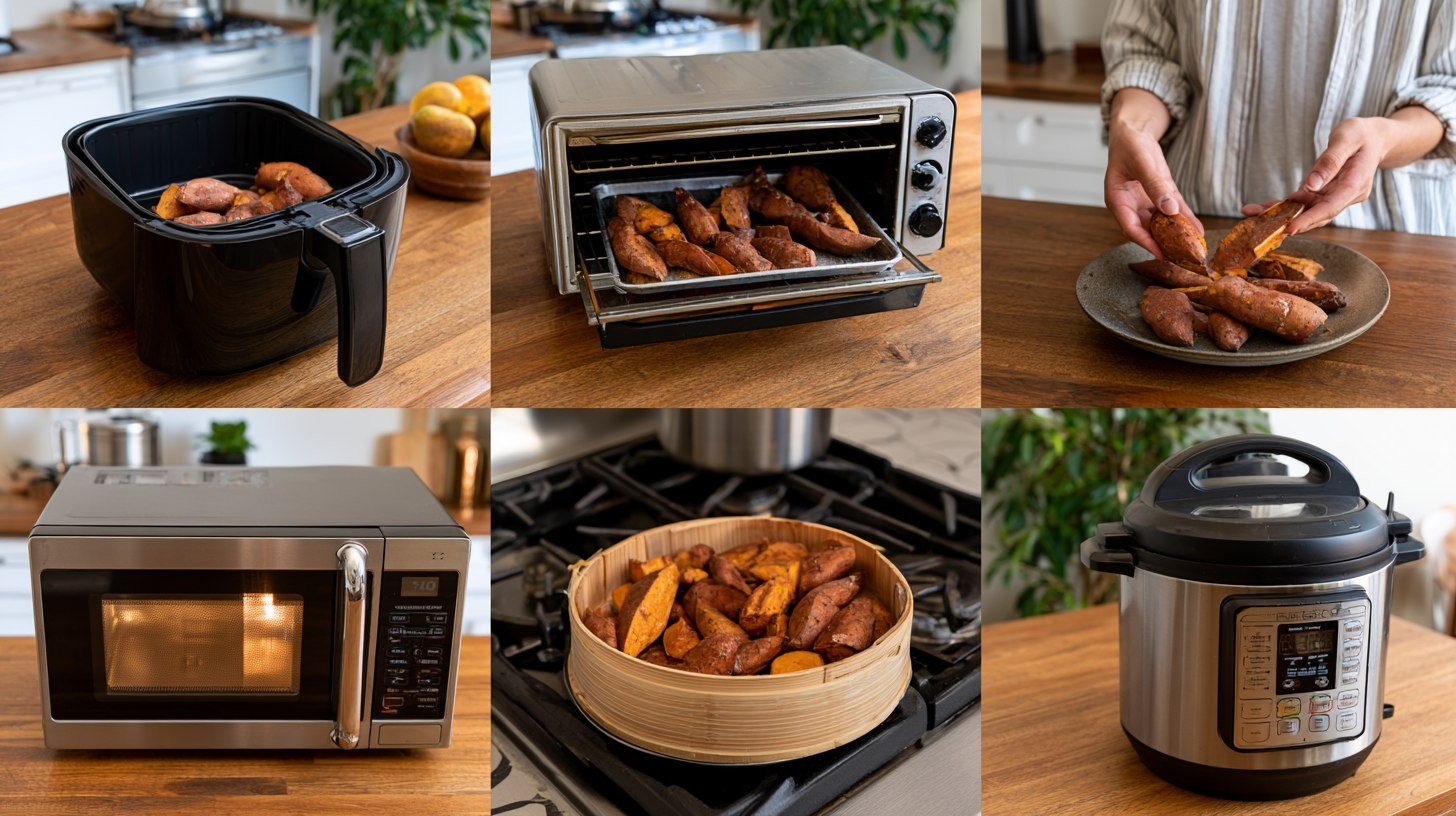
Baking in a conventional oven gives you the best caramelized flavor and texture, but it is not always the most practical option. These other methods each have genuine trade-offs worth knowing before you pick one.
Some are faster, some come surprisingly close to the oven result, and a couple are really only worth using when you are short on time and willing to accept a different final texture.
Air Fryer Method
Set your air fryer to 380°F and cook for 35 to 40 minutes, flipping the potato halfway through. The circulating heat gives you genuinely crispy skin without heating up the whole kitchen, which makes this the most practical alternative to oven baking.
The inside comes out soft and tender, though you lose some of the deep caramelized sweetness that low, slow oven baking produces. Still, this method comes closer to the real thing than any other shortcut option.
Toaster Oven Method
A toaster oven is one of the best alternatives because it works almost exactly like a conventional oven.
Use the same temperature and timing guidelines from the main method, but start checking for doneness about 5 minutes earlier than you normally would.
Toaster ovens tend to run a little hotter and have less air circulation, so the skin can brown faster on the side closest to the element. Rotate the potato once during baking to keep things even.
Stovetop Method
Cut the potato into thick slices or chunks, place them in a steamer basket over simmering water, and cover the pot. They will be fork-tender in about 20 to 25 minutes.
This method is fast and keeps the inside very moist, which works well if you are adding the potato to soups, mashes, or other dishes where texture matters more than skin.
The trade-off is that you get none of the caramelized sweetness that baking produces, since there is no dry heat to concentrate the sugars.
Microwave Method
Poke several holes all over the potato with a fork, then microwave on high for 5 to 8 minutes, flipping it once halfway through. The potato will be cooked through and edible, but the texture is noticeably different from a baked one.
The skin stays soft and almost rubbery rather than crisping up, and the inside tends to be wetter and less concentrated in flavor.
Use this method only when time is genuinely tight, and know going in that the result will not match the oven version.
Instant Pot and Steaming (Pros & Cons)
Add a cup of water to the Instant Pot, place the potatoes on the trivet, and pressure cook on high for 15 to 20 minutes depending on size, then allow a natural pressure release.
The result is a very moist, evenly cooked potato with a soft, almost pudding-like interior. It is genuinely convenient and handles large batches well.
The downside is the same as steaming:you lose the caramelized flavor entirely since pressure cooking adds moisture rather than removing it. Worth using for meal prep when flavor intensity matters less than speed.
Common Mistakes to Avoid
A few small errors can ruin your bake fast.
- Skipping the fork holes, which can cause the potato to burst
- Baking at too high a heat without checking often
- Using potatoes of very different sizes, which cook unevenly
- Pulling them out too early before the center softens
- Not lining the tray, which leads to a sticky mess from dripping sugar
Nutritional Benefits of Japanese Sweet Potatoes
Japanese sweet potatoes earn their reputation as a genuinely nutritious food, not just a sweet treat. Here is what you are actually getting with each serving.
High in fiber: A medium Japanese sweet potato contains around 4 grams of dietary fiber, which supports healthy digestion and helps you feel full longer after eating. That combination of fiber and natural sweetness is part of why they make such a satisfying snack on their own.
Rich in vitamin A and vitamin C: The pale yellow flesh is loaded with beta-carotene, which your body converts to vitamin A to support eye health and immune function. Vitamin C is present in meaningful amounts as well and plays a role in collagen production.
Antioxidants from the purple skin: The deep purple skin gets its color from anthocyanins, the same class of antioxidants found in blueberries and red cabbage. These compounds are linked to reduced inflammation and may offer some protection against oxidative stress over time.
Lower glycemic impact than white potatoes: Despite tasting very sweet, Japanese sweet potatoes have a lower glycemic index than regular white or orange sweet potatoes. That means they cause a more gradual rise in blood sugar compared to refined carbohydrates, making them a reasonable option for people watching their glucose response.
Natural energy without added sugar: All the sweetness you taste comes entirely from the potato itself. There is no need to add syrup, butter, or sugar to make these satisfying.
Conclusion
You now know exactly how to bake Japanese sweet potatoes the right way. From picking the right temperature to getting that perfect jammy or crispy texture, you have everything you need.
I bake these almost every week, and honestly, the smell alone makes the wait worth it.
Try one of these methods this week and see which texture you like best. Drop a comment and tell me how yours turned out.
If this helped you, share it with someone who loves sweet potatoes as much as I do.
Frequently Asked Questions
Can I bake Japanese sweet potatoes without foil?
You can skip the foil entirely, and for most people it's actually the better choice. Without it, the skin crisps up and takes on more color as it bakes.
Foil traps steam, which softens the skin and gives the inside a slightly moister texture. If you want crunch on the outside, go without foil every time
Why is my sweet potato not sweet?
Japanese sweet potatoes develop their signature sweetness when the starches have enough time and heat to convert into sugar.
If yours tastes flat or starchy, it almost always means it came out of the oven too soon. Try baking at 325°F for a longer window next time.
How long do baked sweet potatoes last in the fridge?
Baked Japanese sweet potatoes keep well in the fridge for 4 to 5 days when stored in a sealed container.
For the best texture when reheating, use the oven or a toaster oven at around 350°F for 10 to 15 minutes rather than the microwave.